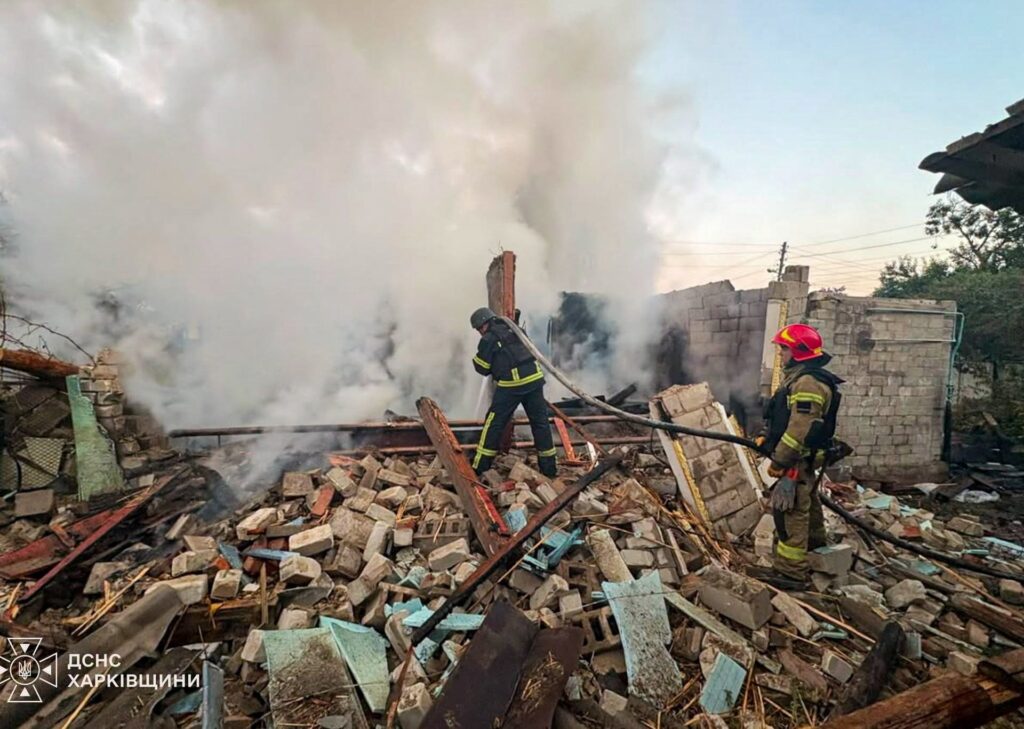
In a tragic development near the Ukrainian capital, Russian military strikes have resulted in the deaths of four individuals, among them a young child. This incident marks a somber moment as tensions escalate in the region, underscoring the human cost of ongoing conflicts.
The attacks occurred amidst intensified military activities, with significant implications for civilian safety and regional stability. The strike near Kyiv has drawn widespread international condemnation and raises urgent questions about the safeguards for non-combatants in conflict zones.
Coinciding with the assault, the United States Senate has taken a decisive stand by passing new sanctions against Russia. These sanctions aim to intensify economic and political pressure on Moscow in response to its actions in Ukraine. Lawmakers emphasize that these measures are designed to constrain Russia’s military capabilities and curtail further aggression.
Simultaneously, the government of Kyiv has made a public appeal for enhanced air defense systems, specifically requesting interceptors capable of defending against such aerial assaults. Ukrainian officials stress that bolstering their air defense infrastructure is critical to protecting civilians and critical infrastructure from future attacks.
The new sanctions include tightened restrictions on financial transactions, energy exports, and key technologies, aiming to isolate Russia economically. These steps reflect a broader international consensus on the need for a coordinated response to the crisis.
Ukrainian authorities and international observers alike have noted the escalating pattern of strikes targeting civilian areas, which complicates peace efforts and humanitarian responses. The deaths near Kyiv underscore the urgency of diplomatic engagements and military deterrent strategies to prevent further loss of life.
The international community has reacted with calls for immediate ceasefire and renewed negotiations. However, diplomatic efforts face significant hurdles due to the deep-rooted geopolitical complexities and ongoing hostilities.
Human rights organizations have condemned the attacks, highlighting the tragic impact on children and families caught in the crossfire. They call for enhanced monitoring and accountability mechanisms to prevent future violations of international law.
As the situation develops, the appeal from Kyiv for air defense interceptors signifies a critical need for international support. Strengthening Ukraine’s defense systems could play a pivotal role in safeguarding its population and stabilizing the region.
These events unfold against the backdrop of a protracted conflict that has already claimed thousands of lives and displaced millions. The latest strike near Kyiv is a stark reminder of the ongoing violence and the pressing need for comprehensive solutions.
In summary, the recent Russian air strikes near the Ukrainian capital have resulted in the deaths of four people, including a child, marking a tragic escalation in violence. The US Senate’s passage of new sanctions and Kyiv’s urgent request for air defense interceptors highlight the multifaceted international response aimed at curbing the conflict and protecting civilians. Continued vigilance and concerted diplomatic efforts remain crucial as the situation evolves.