Mozambique, already reeling from devastating floods, now faces an escalating crisis of hunger that threatens the well-being of its population. The recent floods, which displaced thousands and destroyed infrastructure, have compounded the nation’s challenges by obliterating crops across vast regions. This loss of harvests is not merely a setback but a severe blow to food security for millions of families who depend on farming for their sustenance.
The floods washed away more than just homes and roads; they destroyed the crops that communities relied on to feed themselves or sell at markets. In rural areas, where agriculture is often the backbone of the local economy, the destruction of fields means farmers have little to no produce to consume or trade. As a result, these families face the grim reality of hunger and malnutrition.
Moreover, the floods disrupted supply routes critical for transporting food and other essential goods. With roads and bridges damaged or washed away, food distribution networks have been severely compromised, leading to scarcities even in areas not directly hit by flooding. Markets face inventory shortages, prices for staple foods have soared, and access to nutrition has become a significant challenge.
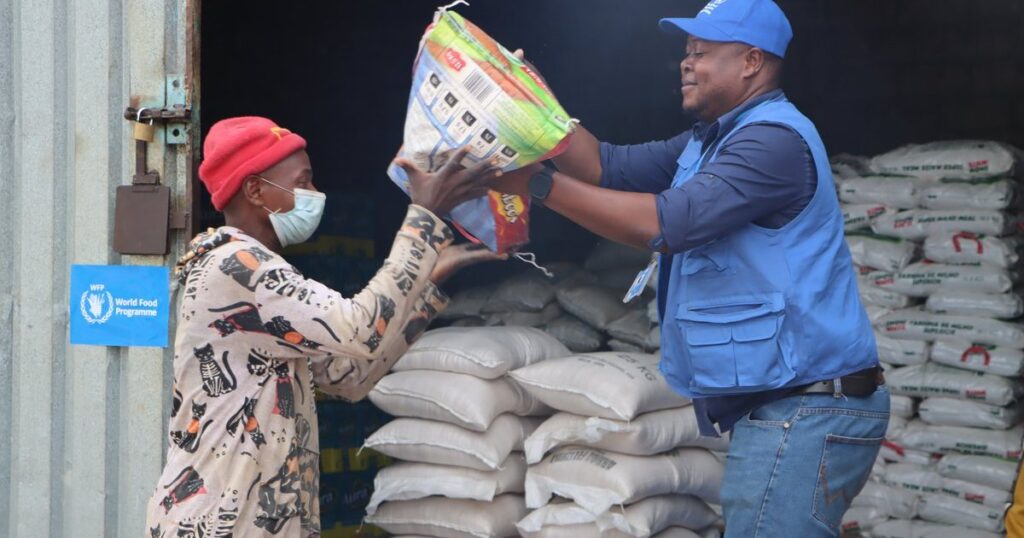
The government and international aid organizations have moved swiftly to respond to these dual crises. Emergency food aid, temporary shelters, and efforts to restore infrastructure have been prioritized. Nonetheless, the scale of the disaster means that these responses only partially address the urgent needs of Mozambique’s affected population.
Experts warn that without sustained support, the food insecurity situation could worsen, with long-term implications for health and economic stability. Children, elderly, and vulnerable groups are most at risk of suffering severe consequences from dwindling food supplies.
Recovery efforts must include rebuilding resilient agricultural systems, restoring supply chains, and improving disaster preparedness to withstand future weather-related shocks. This twin crisis of flooding followed by hunger underscores the urgent need for comprehensive strategies that address both immediate relief and long-term resilience.
Mozambique’s experience is a stark reminder of how natural disasters can trigger cascading crises, exacerbating vulnerabilities and deepening poverty. The international community’s continued support, coupled with robust local initiatives, will be crucial to help the nation overcome this period of hardship and build a more secure future for its people.