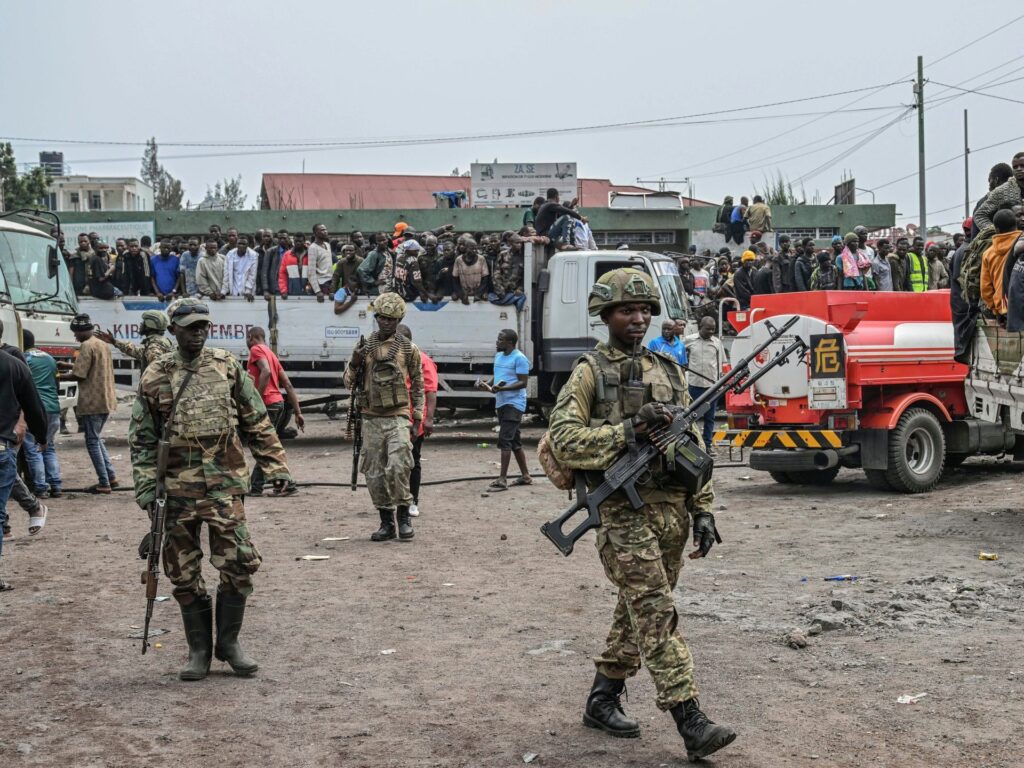
In a significant development under the Doha peace process, the Democratic Republic of Congo (DR Congo) has released 15 prisoners to the M23 rebel group. This move marks the first known transfer of detainees between the Congolese government and the M23 rebels, highlighting a critical step toward dialogue and potential reconciliation in the ongoing conflict in North Kivu.
The International Committee of the Red Cross (ICRC) played a facilitative role in this unprecedented exchange, ensuring that the transfer was conducted safely and in accordance with international humanitarian standards. The conflict between the government forces and the M23 rebels has been marked by cycles of violence and displacement, making the prisoner release a hopeful sign for peace efforts.
The M23 rebel group, named after the March 23, 2009 peace agreement that initially sought to disband this armed faction, has been a persistent source of instability in eastern DR Congo. The group’s resurgence in recent years has led to heightened tensions and humanitarian crises in the region, with many civilians affected by the fighting.
The Doha peace process, initiated to mediate between the two parties, aims to foster dialogue, address grievances, and establish a sustainable ceasefire. The prisoner release is seen as a confidence-building measure to create an environment conducive to further negotiations.
According to officials, the 15 detainees released were held on various charges linked to the conflict. Their transfer back to the M23 group is expected to encourage goodwill and may pave the way for additional gestures of cooperation.
This event underscores the importance of international organizations like the ICRC in conflict zones, where neutral intermediaries are essential to building trust and facilitating exchanges. The role of the ICRC in this transfer demonstrates their continued commitment to humanitarian principles and the protection of detainees.
While challenges remain, including ongoing clashes and complex political dynamics in DR Congo, the prisoner release provides a glimmer of hope for lasting peace. Stakeholders within the peace process are optimistic that such steps will lead to broader agreements addressing the root causes of conflict.
The international community has welcomed the development, urging all parties to sustain momentum in the peace talks. Continued support from regional and global actors will be crucial in achieving a durable resolution to the long-standing conflict.
The release of prisoners also has significant implications for the affected communities in North Kivu, where the protracted conflict has disrupted lives and eroded trust between opposing groups. By fostering reconciliation at the leadership level, the initiative aims to translate peace efforts into tangible improvements on the ground.
As the Doha peace process moves forward, observers will be watching closely to see if further exchanges and negotiations can be realized. The success of this prisoner transfer may serve as a model for other conflict situations where detainee exchanges can build bridges between hostile parties.
In summary, the DR Congo’s release of 15 prisoners to M23 rebels, facilitated by the ICRC, represents a historic milestone in the quest for peace in the region. This event highlights the potential for dialogue to overcome entrenched conflicts and encourages continued engagement from all stakeholders for a peaceful future in North Kivu and beyond.