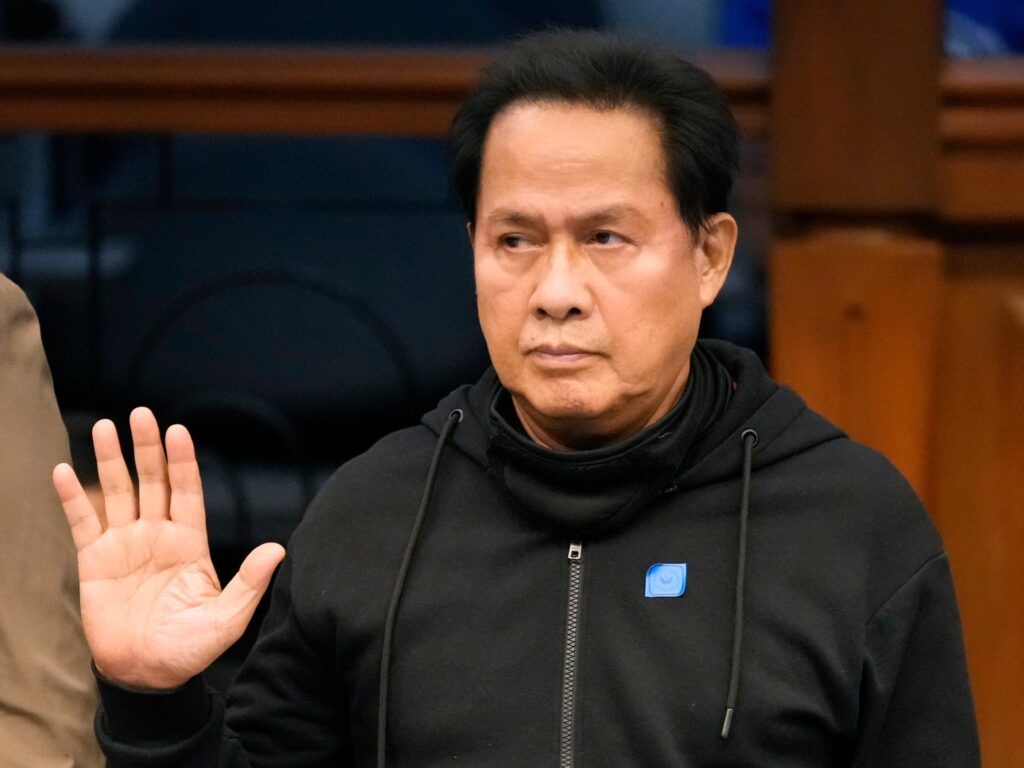
The United States government has initiated efforts to extradite Apollo Quiboloy, a prominent Filipino church leader, on charges involving fraud and sexual crimes. Quiboloy is widely known as the founder and leader of the Kingdom of Jesus Christ church, which he established in 1985 in Davao City, Philippines. Over the years, the church has expanded beyond the Philippines, with established branches in the United States.
Apollo Quiboloy has maintained a significant following, being cited as a powerful religious figure in the Philippines and abroad. However, recent allegations have cast a shadow on his reputation. The charges against him include serious accusations of fraudulent activities and sex crimes, prompting authorities in the US to take legal action.
The call for extradition signifies the gravity of the legal proceedings and the cooperation between the US and Philippine governments. Quiboloy’s church, the Kingdom of Jesus Christ, has been operational for more than three decades, influencing members in both countries. The international dimension of the church’s activities and location of alleged crimes have led to this cross-border legal pursuit.
The extradition request underscores the US government’s commitment to pursuing justice despite jurisdictional challenges, particularly in cases involving high-profile figures. This development has generated substantial media attention, with many observers watching closely how the legal processes will unfold.
Quiboloy and his legal representatives have yet to make a public response regarding the extradition request. Supporters of the church leader have expressed disbelief and concern over the accusations, emphasizing his religious influence and charitable work.
This case raises important questions about accountability and the oversight of religious organizations operating internationally. It also highlights the complexities of prosecuting alleged crimes that transcend national borders.
As further legal procedures are expected, the situation remains fluid, with potential hearings and judicial reviews in both the United States and the Philippines. The outcome of the extradition request could set precedents for similar cases involving clergy and religious entities.
Meanwhile, the Kingdom of Jesus Christ continues its operations, with followers remaining loyal amidst the ongoing controversy. The church’s activities and leadership are likely to come under increased scrutiny as the case develops.
In conclusion, the US government’s pursuit of Apollo Quiboloy’s extradition on fraud and sex crime allegations marks a pivotal moment in addressing allegations against influential religious figures. This case is emblematic of broader global issues surrounding justice, religious authority, and international legal cooperation.