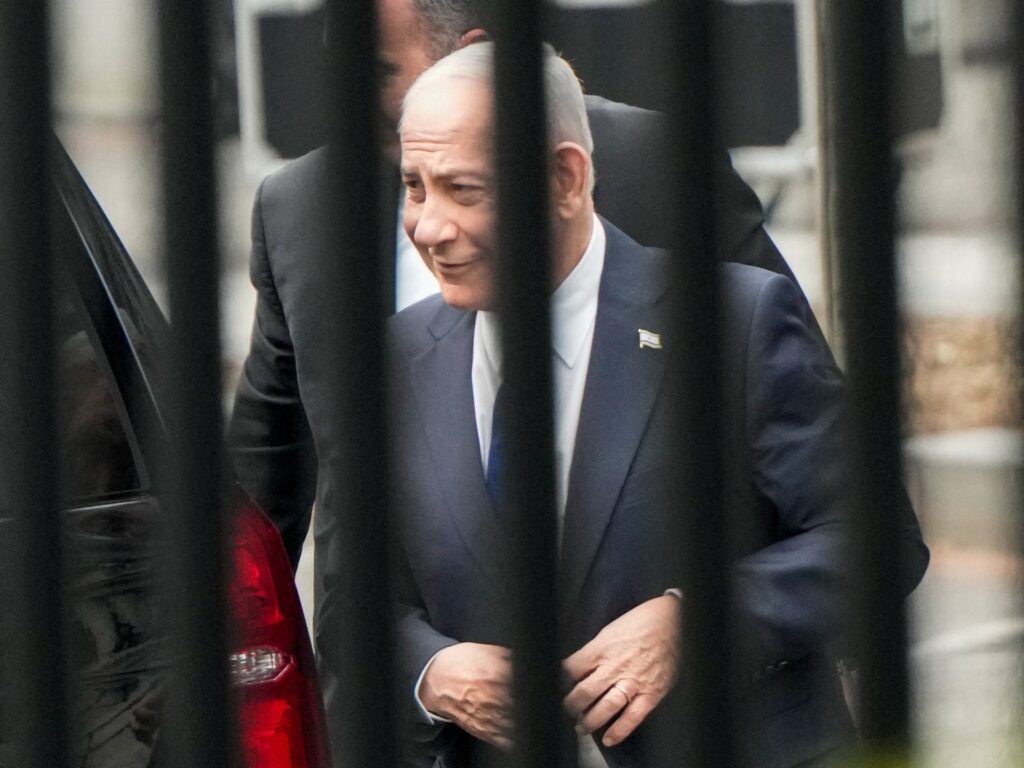
Israeli Prime Minister Benjamin Netanyahu’s approach to countering Iran’s influence and nuclear ambitions has come under intense scrutiny from international experts and analysts. In recent times, Israel’s hardline stance on Iran has been widely debated, with some experts fearing that Netanyahu is preparing to confront Iran largely on his own, without a broad coalition or sufficient diplomatic backing.
The central concern revolves around Netanyahu’s aggressive policies aimed at curbing Iran’s nuclear program and its regional power projection. While Israel has traditionally maintained a position of strong opposition to Iran’s activities—viewing them as existential threats—the current strategy appears to be increasingly unilateral. Observers note that this could isolate Israel on the world stage at a time when multilateral diplomatic efforts are considered crucial.
Experts argue that Netanyahu’s approach risks significant strategic failure. Without solid alliances, Israel may find itself vulnerable, not only militarily but also politically. The absence of coordinated international support could undermine the effectiveness of Israel’s defense measures and diminish its leverage in diplomatic negotiations. Additionally, unilateral actions bear potential risks of escalating conflicts, which could destabilize an already fragile Middle Eastern region.
The repercussions of this evolving strategy extend beyond the immediate geopolitical landscape. Analysts highlight that heightened tensions between Israel and Iran could disrupt global energy markets, as the Middle East remains a pivotal hub for oil production and transit. Any military confrontations or escalated threats in the region have the potential to trigger global economic shocks, particularly in energy prices, which would ripple through international markets and economies.
Furthermore, the international community expresses concern about the human and humanitarian costs associated with prolonged destabilization. Increased conflict risks displacement, loss of life, and heightened insecurity for civilians across multiple countries. These factors contribute to the broader discourse on the consequences of a single nation’s aggressive posture when confronting a complex and multifaceted threat such as Iran.
In summary, Netanyahu’s apparent readiness to ‘fight Iran alone’ is being viewed by experts as a perilous gamble with profound implications. It raises questions about the efficacy of Israel’s current foreign and defense policies and underscores the importance of multilateral cooperation in addressing security challenges. As the situation evolves, global stakeholders continue to watch closely, recognizing the need for measured approaches that balance firm security objectives with diplomatic engagement to avoid broader conflict and economic instability.