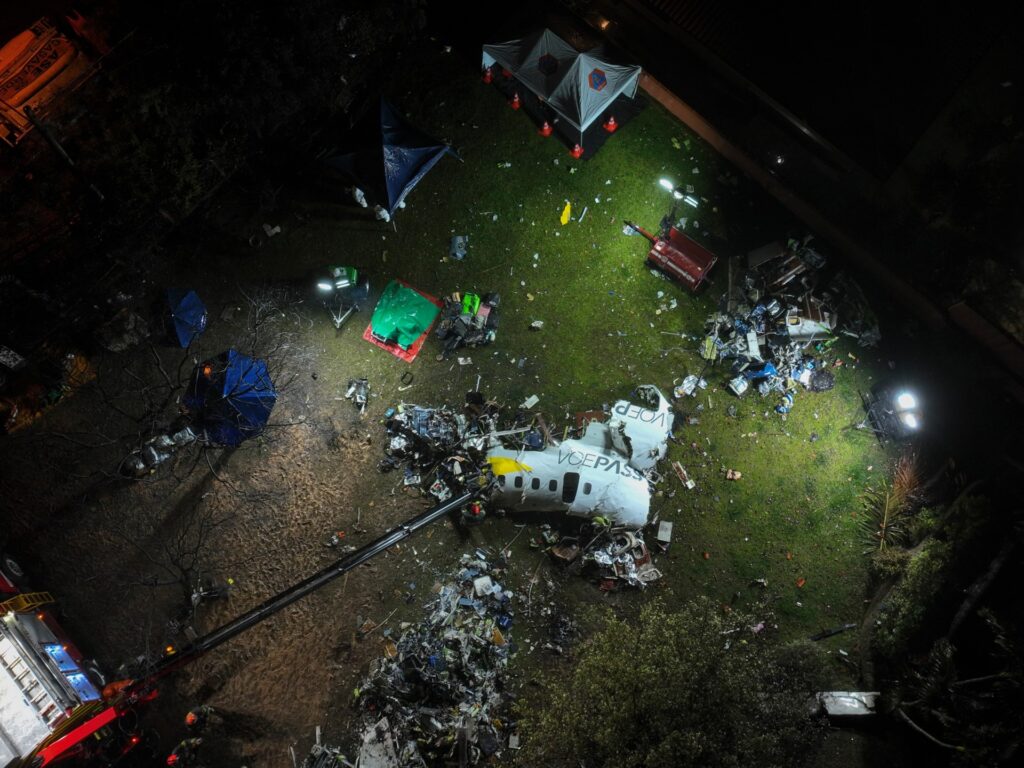
Brazilian authorities have formally accused 16 individuals in connection with the tragic 2024 Voepass plane crash that resulted in the deaths of 62 people near Sao Paulo. The tragedy has been a significant aviation disaster in the country, drawing widespread attention and calls for accountability.
According to official statements, one of the critical factors leading to the crash was the irregular clearance of the plane for departure. The aircraft was reportedly allowed to take off despite not meeting all the necessary safety protocols and regulatory approvals.
The accused include airline officials, regulatory personnel, and other parties involved in the operational and regulatory chain overseeing the flight. The formal charges brought against them encompass negligence, procedural breaches, and possible misconduct contributing to the catastrophic outcome.
Investigations revealed that critical safety checks were overlooked or improperly conducted before the flight’s departure. This negligence compromised the aircraft’s airworthiness and operational integrity, culminating in the fatal accident.
The crash has not only claimed 62 lives but has also raised urgent questions about aviation safety standards and enforcement in Brazil. It has intensified scrutiny on both private airlines and regulatory bodies responsible for ensuring passenger safety.
Families of the victims have expressed deep sorrow and demand justice, emphasizing the need for accountability and improvements in airline operational procedures to prevent such tragedies in the future.
Brazil’s civil aviation authority has pledged to tighten safety oversight and implement more robust mechanisms for flight clearances. This move aims to restore public confidence in air travel and ensure adherence to international aviation safety norms.
The incident has prompted a broader national conversation on air travel risks, regulatory effectiveness, and the importance of stringent safety protocols. The legal proceedings against the accused individuals are expected to be closely monitored, with potential implications for policy reforms.
As the case progresses, the aviation community and the public await decisive actions that will address the root causes of the crash and help prevent recurrence. Comprehensive investigations continue, focusing on operational decisions, communication failures, and regulatory lapses.
Ultimately, the Voepass plane crash serves as a somber reminder of the critical importance of rigorous safety standards and accountability in aviation to safeguard lives and maintain trust in air transportation.