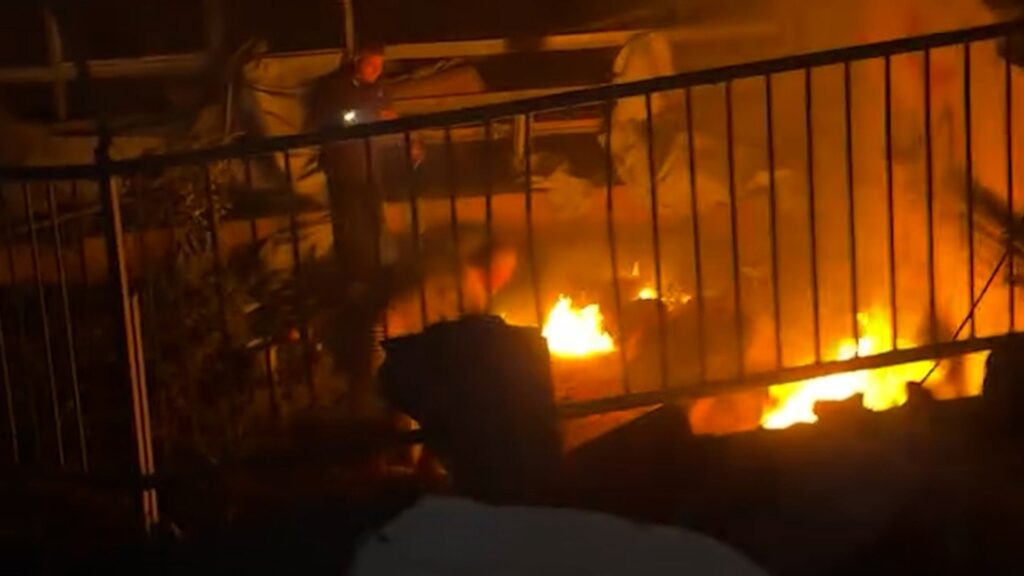
In a recent unsettling development, Israel has launched multiple attacks across Gaza resulting in the deaths of at least two Palestinians. This military action occurred just hours after Hamas reportedly agreed to a draft peace deal that includes disarming the militant group.
The agreement marks a significant moment in the ongoing conflict between Israel and Hamas, which has seen repeated cycles of violence over the years. However, the timing of the Israeli attacks has raised questions and concerns about the sincerity and stability of the peace process.
Hamas, the Palestinian Islamist political organization and militant group governing Gaza, has long been in conflict with Israel. Its disarmament is considered a critical step toward achieving lasting peace and stability in the region. Experts have emphasized that while the draft agreement signals a potential peace breakthrough, the immediate military actions undermine trust between the parties.
Analysts highlight that the newly proposed draft peace deal involves complex negotiations and concessions on both sides, with Hamas agreeing to disarm in exchange for significant political and economic guarantees. However, the recent attacks have cast doubt on the progression of talks and the willingness of Israel to simultaneously pursue diplomatic solutions while engaging in military operations.
The Palestinian territories have been under frequent Israeli military operations, resulting in widespread humanitarian concerns. Gaza, in particular, has faced blockades, and recurrent violence has exacerbated economic hardships for its population.
International response to this incident has been swift. Various countries and organizations have called for restraint from both sides and urged for the peace talks to continue without further escalation. The United Nations and other diplomatic bodies are closely monitoring the situation, emphasizing that peace talks must be prioritized to avoid further destabilization.
Observers point out that the deaths of civilians in such strikes highlight the urgent need for conflict resolution and the protection of innocent lives during periods of negotiation.
Meanwhile, diplomatic efforts continue behind the scenes. Mediators involved in the peace process express cautious optimism but acknowledge the fragility of the situation. Both Israel and Hamas face internal pressures that complicate their ability to adhere to agreements.
The recent spike in violence after the disarmament agreement has led advocates and peace supporters to call for renewed commitment to dialogue and ceasefire agreements. The delicate balance between security concerns and human rights remains central to finding a sustainable solution.
As it stands, the region remains tense and vulnerable to further violence. The international community remains engaged, hoping that this crisis can be resolved through diplomacy rather than conflict.
This incident underscores the unpredictable nature of peace efforts in conflict zones, where progress often faces setbacks and requires persistent engagement from all stakeholders. Continued monitoring and international support will be decisive in determining the future trajectory of Israel-Gaza relations.