Tensions between the United States and Iran have escalated significantly as former U.S. President Donald Trump has issued threats of military strikes against Iran. This development comes amid ongoing concerns about Iran’s activities in the region and its nuclear program.
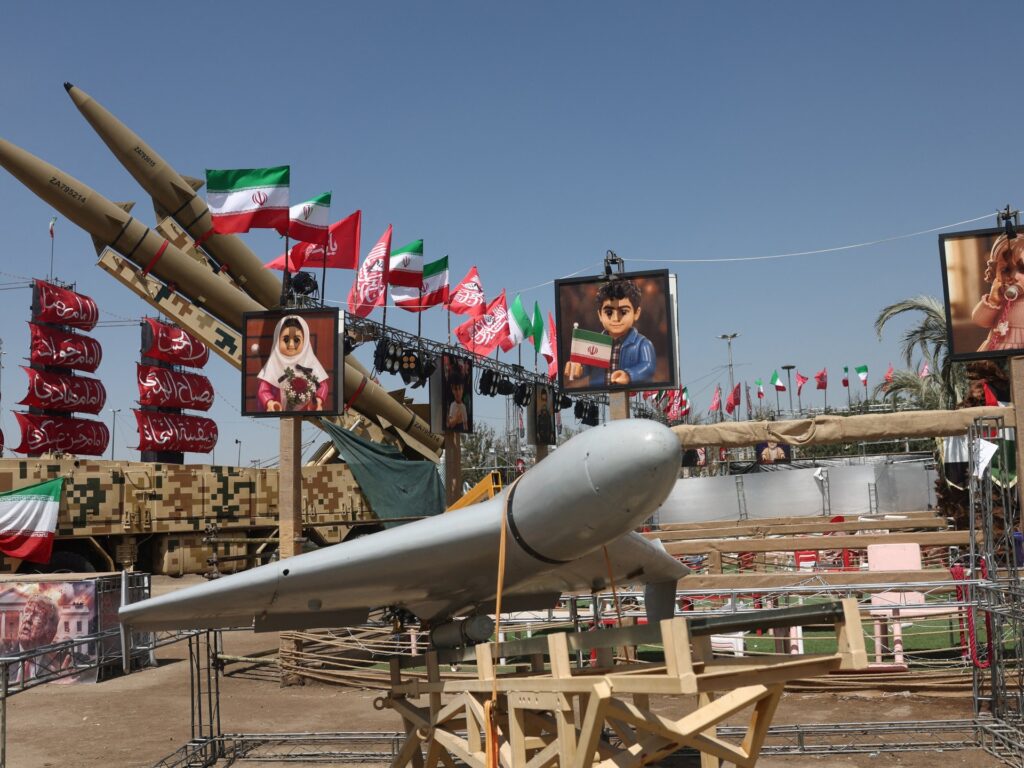
In response to these threats, an Iranian official quoted by Tasnim News Agency has declared that Iran has formulated comprehensive plans to respond to any ‘mad’ U.S. strikes. This statement underscores the seriousness with which Iran is preparing to defend itself against potential aggression.
The situation remains volatile, with both sides engaged in a war of words and strategic posturing. Trump’s threats have raised alarms internationally, highlighting the risks of further conflict in the Middle East. Iran’s readiness to respond emphasizes its commitment to protecting its sovereignty and interests.
This unfolding scenario reflects broader geopolitical tensions that have persisted for years, involving issues such as nuclear proliferation, regional influence, and international diplomacy. The Iranian official’s assertion about having a response plan indicates that Tehran is not taking these threats lightly and is prepared for various contingencies.
Global powers and regional actors are watching closely, hoping to avoid a military confrontation that could have widespread consequences. Diplomatic efforts may be intensified to de-escalate tensions and find a peaceful resolution to the conflict.
For now, the world can only watch as the situation develops, with the possibility of rapid changes depending on the actions taken by the United States and Iran. Both nations appear to be firmly entrenched in their positions, making the prospect of immediate peace uncertain.
This latest episode in the Iran-U.S. conflict serves as a reminder of the fragile state of peace and security in the region, as well as the enduring challenges in international relations and conflict resolution.