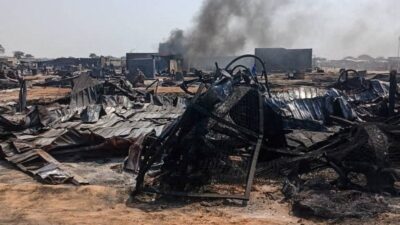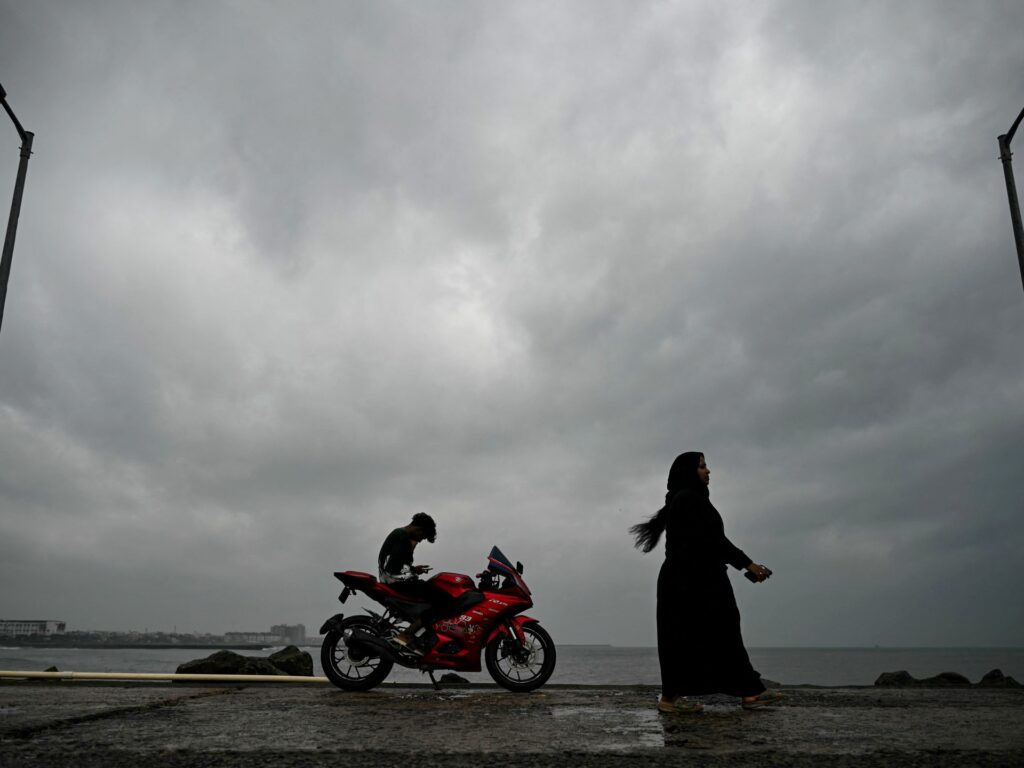
Cyclone Murasu has made landfall along India’s eastern coast, bringing severe weather conditions and significant disruptions to the region. The severe cyclonic storm uprooted trees, downed power lines, and caused widespread damage, compounding the challenges faced by local communities who were still recovering from a previous cyclone that battered the same area just days earlier.
Authorities have reported extensive damage across coastal districts, with many areas experiencing power outages and interrupted communication networks. Emergency services were deployed swiftly to assist with rescue operations and to work on restoring basic infrastructure. The Indian Meteorological Department had issued timely warnings before the storm’s arrival, urging residents to take necessary precautions and avoid unnecessary travel.
Local governments have set up relief camps to accommodate displaced populations, providing food, water, and medical assistance to affected families. The cyclone’s impact has disrupted transportation and caused the closure of schools and businesses in several districts.
Cyclone Murasu’s formation and trajectory have drawn attention to the increasing frequency and intensity of cyclones affecting India’s coastal regions, highlighting the need for improved disaster preparedness and resilient infrastructure. Experts emphasize the importance of community awareness and timely evacuation plans to mitigate the effects of such natural disasters.
Power companies are working around the clock to restore electricity to affected areas, while sanitation and health workers are focusing on preventing disease outbreaks in the aftermath of the storm. Despite the challenges, relief efforts continue to gain momentum with support from state and central governments.
This latest cyclone serves as a stark reminder of the vulnerabilities faced by coastal populations in the face of climate change and extreme weather events. The government has reiterated its commitment to enhancing disaster management capabilities and investing in sustainable development practices to safeguard lives and livelihoods.
Residents are advised to stay informed through official channels and follow safety guidelines issued by authorities until the situation stabilizes. As the region begins the process of recovery and rebuilding, national and international aid organizations are monitoring the situation closely, ready to provide additional support if needed.