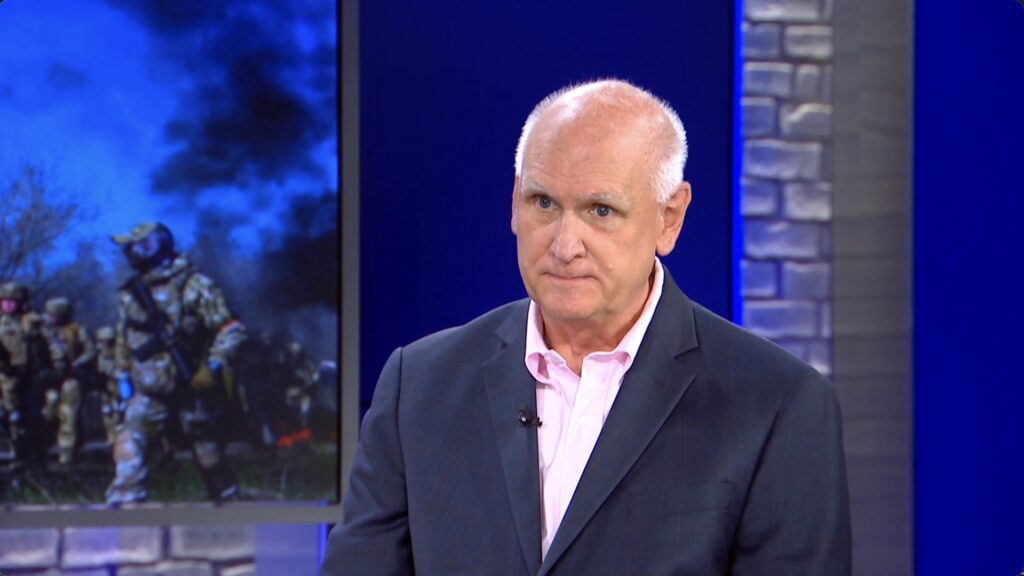
The question of whether the United States would come to the defense of its NATO allies if they were attacked has recently been brought into the spotlight. Jim Townsend, a former deputy assistant secretary of defense, expressed uncertainty about the US response in such a scenario. This is a significant statement considering the foundational principle of NATO—Article 5 of the NATO treaty—which states that an armed attack against one or more members is considered an attack against them all, obligating collective defense.
Historically, the United States has been seen as a steadfast protector of NATO allies, providing military support and assurance to the alliance’s mutual defense commitments. However, Townsend’s remarks suggest that the future might hold complexities that could influence America’s readiness to deploy troops in the event of an attack on a NATO member.
This uncertainty has sparked debate and concern within international circles. NATO was established to promote stability and peace in the North Atlantic area, and its credibility largely depends on the willingness of member states, particularly the US, to honor its collective defense pledge.
Critics argue that any doubt cast on the US commitment could embolden adversaries and undermine NATO’s deterrence capabilities. They stress that unwavering support from the US is essential for the security framework of the alliance.
On the other hand, some analysts point to evolving geopolitical realities and shifting US foreign policy priorities. They suggest that the US may be re-evaluating its military engagements worldwide, potentially leading to more cautious decisions regarding troop deployments.
Despite Townsend’s comments, official US government statements continue to reaffirm the country’s commitment to NATO and to the principle of collective defense. The White House and Pentagon maintain that any attack on a NATO ally would result in an appropriate and decisive response.
The debate underscores a broader conversation about the future of transatlantic relations and the role of the US in global security. It raises questions about how the US balances its interests abroad with domestic priorities, including public opinion and political considerations.
NATO allies are watching closely, seeking reassurance that the alliance remains strong and united. Diplomatic efforts are ongoing to ensure that the US commitment remains unequivocal.
Ultimately, the question of whether the US would send troops if a NATO ally were attacked remains a subject of strategic discussion. It highlights the importance of clear communication and strong alliances in an increasingly complex global security environment.