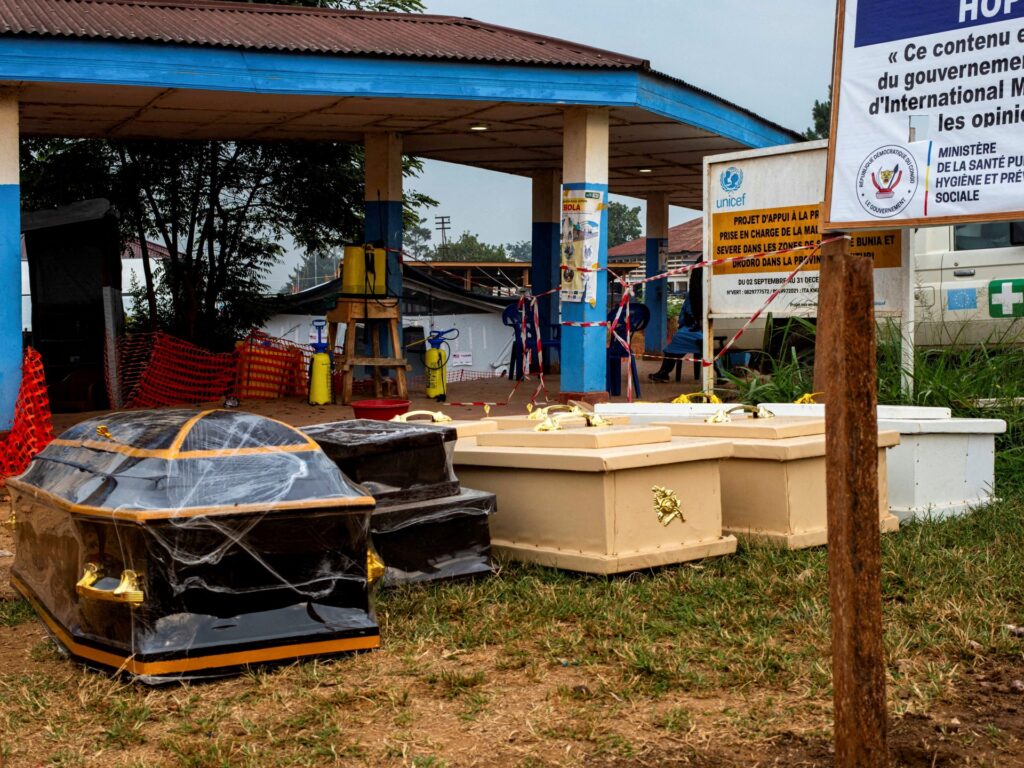
The Democratic Republic of Congo (DR Congo) is facing a grave public health crisis as the confirmed death toll from the ongoing Ebola outbreak has reached 600. This mounting number of fatalities highlights the severe impact of the virus in the region, which has struggled to contain the epidemic despite substantial efforts from local health authorities and international aid organizations.
Ebola, a highly contagious and deadly virus, causes severe hemorrhagic fever in humans and has a high fatality rate if untreated. The outbreak in DR Congo has been one of the most challenging in recent years, complicating efforts to provide adequate medical care and containment measures.
Compounding the crisis, healthcare workers on the frontlines have threatened to cease operations due to delayed payments. This labor unrest poses a significant risk to ongoing efforts to manage the epidemic, as these workers are essential in administering care, conducting surveillance, and implementing control strategies to prevent further spread.
The delay in payments has sparked fears that the healthcare workforce might become demotivated or insufficiently staffed, which could exacerbate the outbreak and increase mortality rates.
Experts emphasize the critical role healthcare workers play, not only in treating infected patients but also in educating communities about preventive measures, identifying new cases early, and participating in vaccination campaigns.
The international community has been called upon to ensure that frontline workers receive their due compensation promptly to maintain morale and the continuity of crucial health services.
In addition to payment issues, logistical challenges such as reaching remote areas, cultural resistance, and adequate medical supplies continue to hinder efforts to curb the virus’s spread.
The World Health Organization (WHO) and other partners have intensified their support, providing resources for vaccines, treatment centers, and training programs for healthcare personnel.
Local authorities are also implementing strict public health measures, including quarantine zones and contact tracing, to mitigate the virus’s impact.
Efforts to contain the outbreak are of paramount importance as Ebola poses a severe threat not only within DR Congo but also to neighboring countries due to cross-border movements.
The situation remains fluid, and public health officials urge vigilance, continued funding, and community engagement to prevent further loss of life.
In summary, the DR Congo Ebola crisis is a multifaceted emergency compounded by the unprecedented death toll and the critical challenge of healthcare worker payment delays. Addressing both issues collaboratively is vital to halt the epidemic and protect vulnerable populations from this deadly disease.