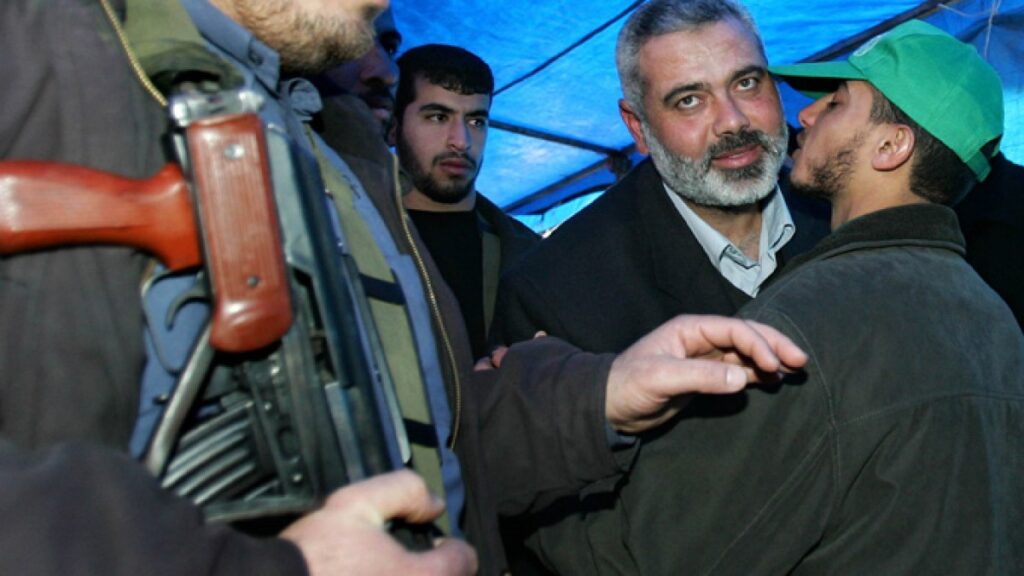
Hamas’s rule in Gaza marks a significant chapter in the region’s tumultuous history, spanning two decades from their electoral victory to their political exit.
2006: Hamas won a surprising victory in the Palestinian legislative elections, marking a pivotal shift in Palestinian politics. Their win led to tensions and power struggles with Fatah, the dominant Palestinian faction.
2007: After months of clashes with Fatah, Hamas took control of Gaza through a violent conflict, effectively splitting Palestinian governance between Gaza and the West Bank.
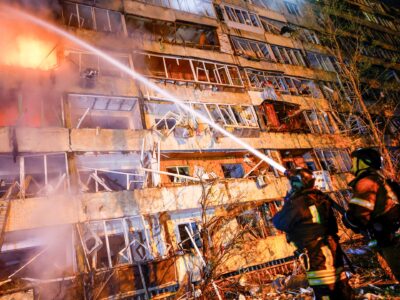
2008-2009: Gaza underwent a brutal Israeli military operation known as Operation Cast Lead, resulting in massive destruction and loss of life, underscoring the intense conflict between Hamas-led Gaza and Israel.
2012 and 2014: Further Israeli incursions, Operation Pillar of Defense and Operation Protective Edge respectively, deepened the humanitarian crisis, but Hamas maintained control, solidifying its grip on Gaza.
The years following saw frequent escalations, ceasefires, and ongoing political isolation of Gaza, with Hamas facing internal and external pressures. International efforts to broker peace and reconciliation repeatedly faltered.
Throughout its rule, Hamas focused on governance, military preparedness, and social services, despite severe blockades and economic hardships.
2020: The Abraham Accords shifted Middle Eastern political dynamics, indirectly impacting Gaza and Hamas’s strategic calculations.
2021: Another major conflict erupted, leading to significant international outcry and renewed calls for ceasefire and negotiation.
2023-2025: Hamas faced mounting challenges including economic deterioration in Gaza, political friction internally and with external actors, and increased international scrutiny.
2026: Marked by a historic political exit, Hamas formally relinquished control over Gaza’s governance. This move opened the door for potential new governance arrangements and hopeful prospects for peace and rebuilding.
This 20-year timeline reflects a saga of conflict, resilience, and shifting political landscapes, demonstrating the complexity of governance and conflict in Gaza under Hamas.