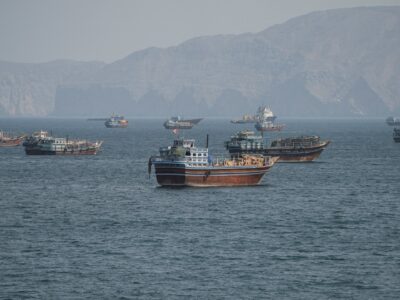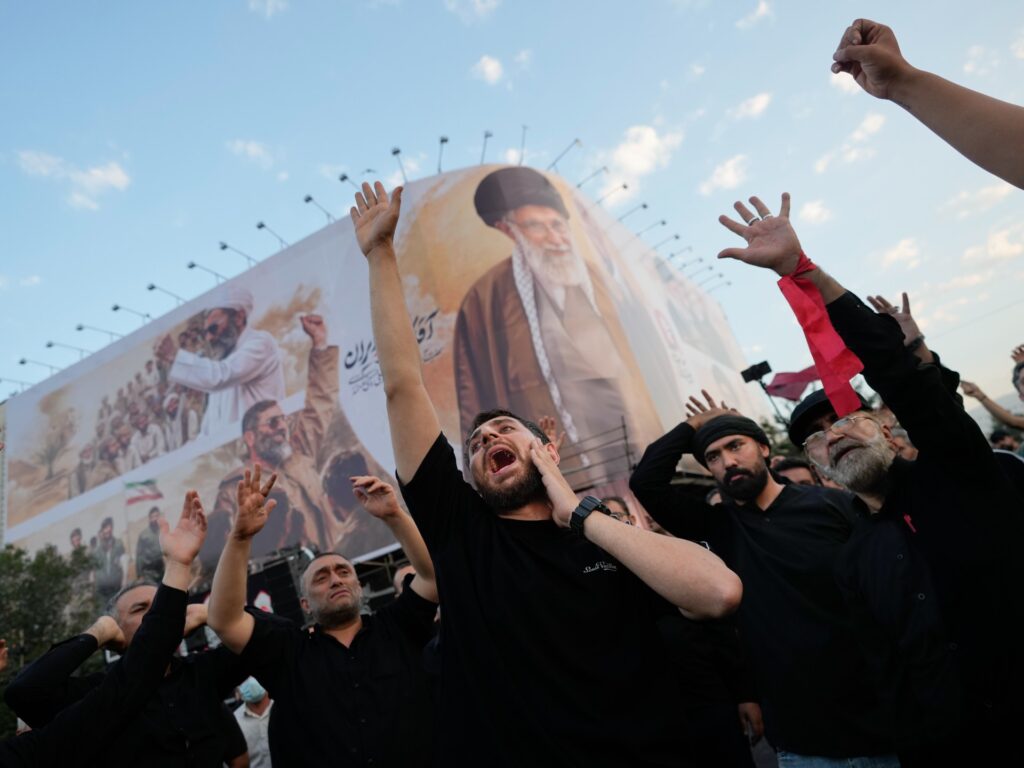
In recent developments, Iran has firmly signaled defiance against mounting US pressure following a series of strikes near the Strait of Hormuz, a crucial waterway for global oil shipments. Iranian officials have declared their unwavering control over the strategically vital strait, despite escalating tensions and direct attacks attributed to the United States. The situation has sparked intense diplomatic friction, with former US President Donald Trump expressing strong outrage over the incidents, emphasizing America’s readiness to respond decisively.
The Strait of Hormuz holds significant geopolitical importance, connecting the Persian Gulf with the Gulf of Oman and serving as a transit route for approximately a fifth of the world’s petroleum. Iran’s stance to maintain authority over this narrow chokepoint has been a consistent element of its regional strategy, yet recent attacks have heightened fears of a potential military confrontation.
Iranian authorities have reiterated that Tehran will not relinquish control or compromise on their sovereignty concerning the strait. In official statements, Iran emphasized that its presence and actions are defensive and necessary to protect its national interests and regional stability. Tensions have escalated following US military responses targeting Iranian forces, which the US claims were retaliatory measures against threats to international navigation and allied vessels.
The US strikes have put a fragile truce at risk, raising concerns among neighboring countries and global powers invested in the safe passage of maritime traffic. The Trump administration, responding with fervent criticism, accused Iran of escalating hostilities and jeopardizing peace in the region. The rhetoric from Washington highlighted a potential increase in military operations should Iran continue provocative maneuvers.
Experts warn that the ongoing standoff could disrupt the international oil supply chain, leading to economic repercussions worldwide. Diplomatic channels remain strained as efforts to de-escalate tensions and restore communication have yet to yield substantial progress.
This latest chapter of confrontation underscores the complex and enduring struggle for influence in the Middle East. Both Iran’s defiance and the US’s aggressive posture contribute to an unpredictable security environment, with the Strait of Hormuz remaining a flashpoint for potential conflict.
In summary, Iran’s unyielding position regarding the Strait of Hormuz amidst US strikes highlights a critical juncture in international affairs. As the Trump administration’s frustration grows, the world watches closely, hopeful for a resolution that safeguards stability in this pivotal maritime corridor.