In a significant escalation of the ongoing conflict, Ukraine has targeted oil and military facilities near Russia’s city of St Petersburg through coordinated drone strikes. Kyiv’s forces executed these attacks to disrupt critical infrastructure and undermine Russian military readiness close to their northern borders.
These drone operations also caused disruptions to St Petersburg’s internet services and affected air traffic, highlighting the expanding reach and technical capabilities of Ukrainian forces. The strikes represent a strategic move by Ukraine to pressure Russia by targeting assets far beyond the immediate battle zones.
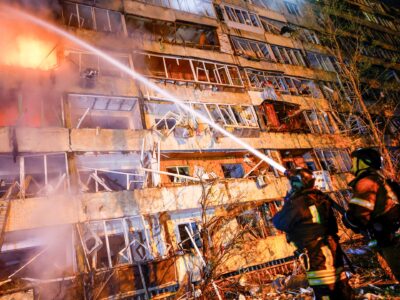
Simultaneously, Russian forces have retaliated with strikes that have forced the shutdown of a major gas facility in central Ukraine. This gas facility is crucial for energy supplies in Ukraine, and its closure exacerbates the already severe energy challenges faced by the country amid the conflict.
Experts suggest these developments show the intensification of the conflict, with both sides targeting critical infrastructure impacting civilian and military operations. The Ukrainian drone strikes on oil and military facilities near St Petersburg not only aim to damage economic and defense capabilities but also serve to send a strategic message to Russia about Kyiv’s reach.
The disruptions to internet and flights in St Petersburg illustrate the broader impact on civilian infrastructure and underscore the heightened risks of the conflict extending into Russian territory. The Russian retaliatory strikes reflect Moscow’s attempts to regain leverage by targeting vital energy infrastructure in Ukraine.
This cycle of attacks and counterattacks illustrates the increasingly complex nature of the war, with both countries leveraging technology and strategic targeting to attempt to gain the upper hand. The targeting of energy and military facilities on both sides raises concerns about the potential for further escalation and the broader implications for regional stability.
Diplomatic responses so far have been limited, with international actors calling for restraint and highlighting the need for a peaceful resolution. However, the recent attacks signal a deepening of hostilities and a shift towards more disruptive tactics designed to cripple critical infrastructure and morale.
Looking ahead, the conflict’s trajectory remains uncertain, but these recent strikes underline the growing sophistication of Ukraine’s military capabilities and the willingness of both sides to escalate the conflict strategically. The situation continues to evolve rapidly, with the potential for further impacts on civilian populations and international markets tied to energy supplies and transportation.
In summary, Ukraine’s drone strikes near St Petersburg and Russia’s retaliatory attacks on Ukrainian energy infrastructure mark a dangerous escalation in the war, emphasizing the increasing complexity and stakes in this prolonged and devastating conflict.