As the United States approaches the grand milestone of its 250th anniversary, festivities planned across the nation are facing an unprecedented challenge—an extreme heatwave. From Washington, D.C. to Los Angeles, soaring temperatures threaten to disrupt traditional Fourth of July celebrations, raising concerns about public safety, event logistics, and the overall enjoyment of this iconic holiday.
The heatwave sweeping across the country is one of the most intense in recent history, with many regions experiencing temperatures well above average. This surge in heat poses significant risks, particularly for outdoor events that typically mark Independence Day, including parades, concerts, and fireworks displays.
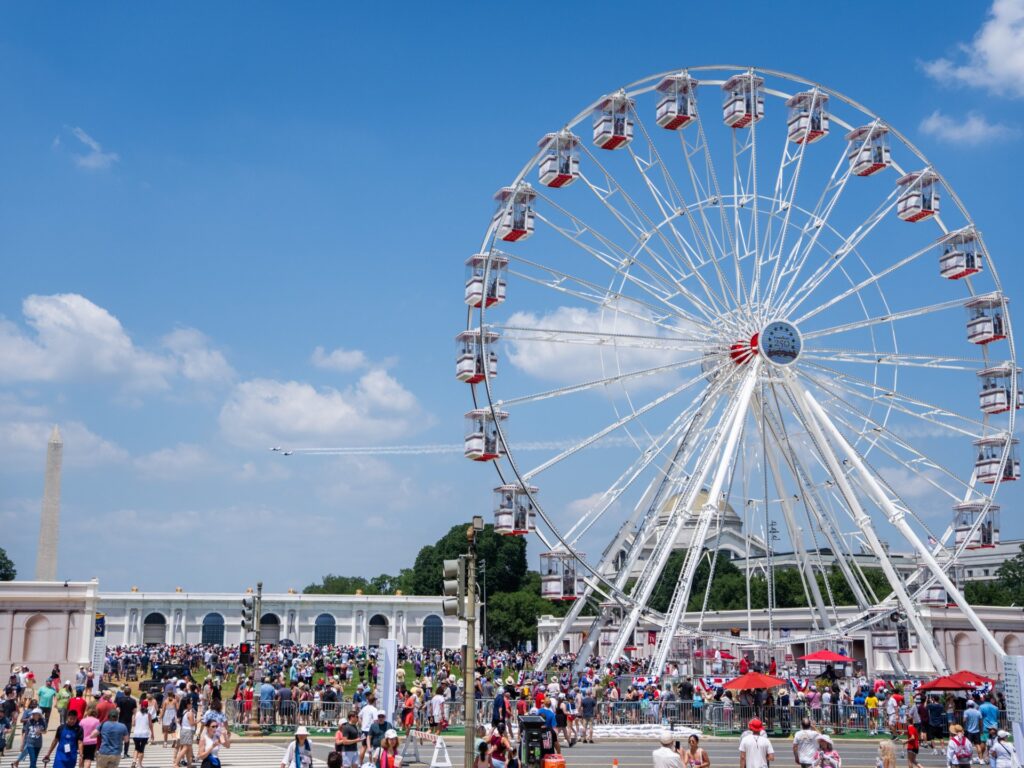
In Washington, D.C., where the nation’s capital usually hosts some of the largest and most elaborate Fourth of July events, officials are adapting plans to mitigate the impact of the sweltering weather. Cooling stations are being set up, and event times are being reconsidered to avoid the peak afternoon heat, shifting some festivities to earlier or later hours.
Similarly, in Los Angeles, local authorities are urging residents to take precautions. Outdoor gatherings and fireworks shows, central to the city’s celebrations, are likely to face alterations or cancellations if temperatures reach dangerous levels. Public health advisories emphasize the importance of hydration and avoiding prolonged exposure to direct sunlight.
The heatwave also raises concerns over the increased risk of wildfires, especially in western states like California, where dry conditions exacerbate fire hazards. Fireworks, a staple of Fourth of July celebrations, could be restricted or banned in certain areas to prevent accidental blazes. This restriction would impact not only public events but also private celebrations.
Across the nation, organizers are exploring innovative ways to commemorate the 250th anniversary while keeping participants safe. Virtual events, live-streamed performances, and community broadcasts are becoming more prominent as alternative approaches to traditional gatherings.
Public parks and recreational areas, usually packed with families on Independence Day, may see limited access or enforced capacity limits to avoid heat-related illnesses. Emergency services are on heightened alert, coordinating with event planners to address any health emergencies swiftly.
The economic impact is another concern, as vendors and local businesses that rely on holiday traffic could experience losses if events are scaled down or canceled. However, safety remains the priority amid the extreme weather conditions.
The heatwave is a stark reminder of the challenges posed by climate change, underscoring the need for adaptive strategies in planning large-scale public events in the future.
Despite these hurdles, the spirit of celebration and patriotism remains strong. Communities across the United States are rallying to find creative solutions to honor the country’s 250 years of independence safely and memorably.
As July 4th approaches, officials and citizens alike are encouraged to stay informed about weather updates and follow safety guidelines to ensure a joyous and secure celebration. This year’s Independence Day will undoubtedly be marked not only by reflection on America’s past but also by resilience in the face of environmental challenges.