The United States is currently experiencing one of its harshest wildfire seasons in recent years, with prolonged droughts and dry conditions fueling uncontrollable blazes across multiple states. Among the hardest hit areas is the region along the Colorado–Utah border, where fierce wildfires have claimed the lives of three brave firefighters.
The tragic incident underscores the severity and dangers firefighters face when battling wildfires in increasingly volatile environmental conditions. This year’s wildfire season has been marked by extended periods of drought, low humidity, and high temperatures, creating an ideal environment for fires to ignite and spread rapidly.
Authorities report that the firefighters were part of a larger team attempting to contain one of the many wildfires raging across the western US. Despite their experience and precautionary measures, the unpredictable nature of wildfire behavior proved fatal.
This event has prompted an outpouring of grief and support from local communities, fire departments, and government officials. It also raises critical questions about the increasing frequency and intensity of wildfires and the urgent need for enhanced firefighting resources and preventive measures.
Environmental experts warn that climate change is exacerbating wildfire risks by contributing to drier landscapes and more extreme weather patterns. These conditions not only increase the likelihood of fires but also make them more difficult to control once they ignite.
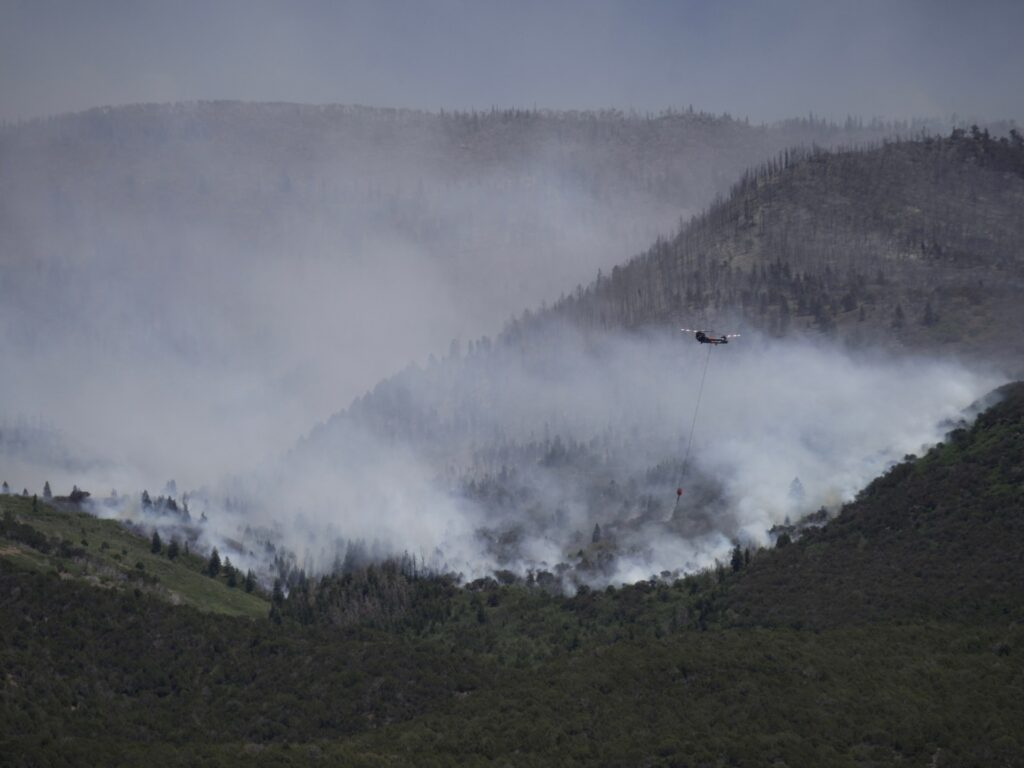
Efforts to combat the wildfires along the Colorado–Utah border and in other affected regions involve coordinated firefighting teams, aerial water drops, and strategic containment lines. However, the scale of the blazes, combined with challenging terrain and weather conditions, continues to hinder containment efforts.
The loss of the three firefighters is a somber reminder of the sacrifices made by those on the frontline protecting lives, property, and natural resources. Authorities are conducting investigations to understand the specific circumstances that led to the fatalities and to improve safety protocols for firefighting operations.
Communities affected by the wildfires have also been mobilizing to support displaced residents and to assist in recovery efforts. Emergency shelters, food drives, and volunteer initiatives are underway to help those impacted by the destruction.
In response to the wildfire crisis, several states have declared a state of emergency, enabling the allocation of additional resources and support from federal agencies. These measures aim to enhance firefighting capabilities and expedite recovery and rebuilding processes.
The harsh reality of this wildfire season serves as a call to action for governments, environmental agencies, and the public to prioritize sustainable land management, invest in firefighting infrastructure, and address the root causes of climate change.
As families and communities mourn the loss of the firefighters, their dedication and courage are being honored worldwide. Their sacrifice highlights the ongoing battle against the increasing threat of wildfires in the US and the importance of collective efforts in mitigating this ever-present danger.
In conclusion, the recent deaths of three firefighters along the Colorado–Utah border amid severe wildfires bring to light the serious challenges posed by changing environmental conditions. Greater awareness, preparedness, and collaborative strategies are essential to protect both lives and the environment as wildfire seasons grow longer and more destructive.