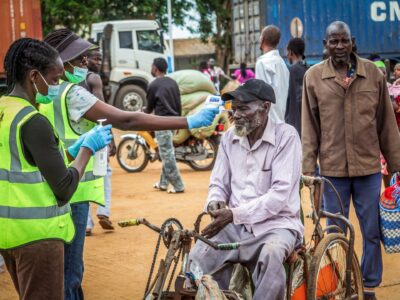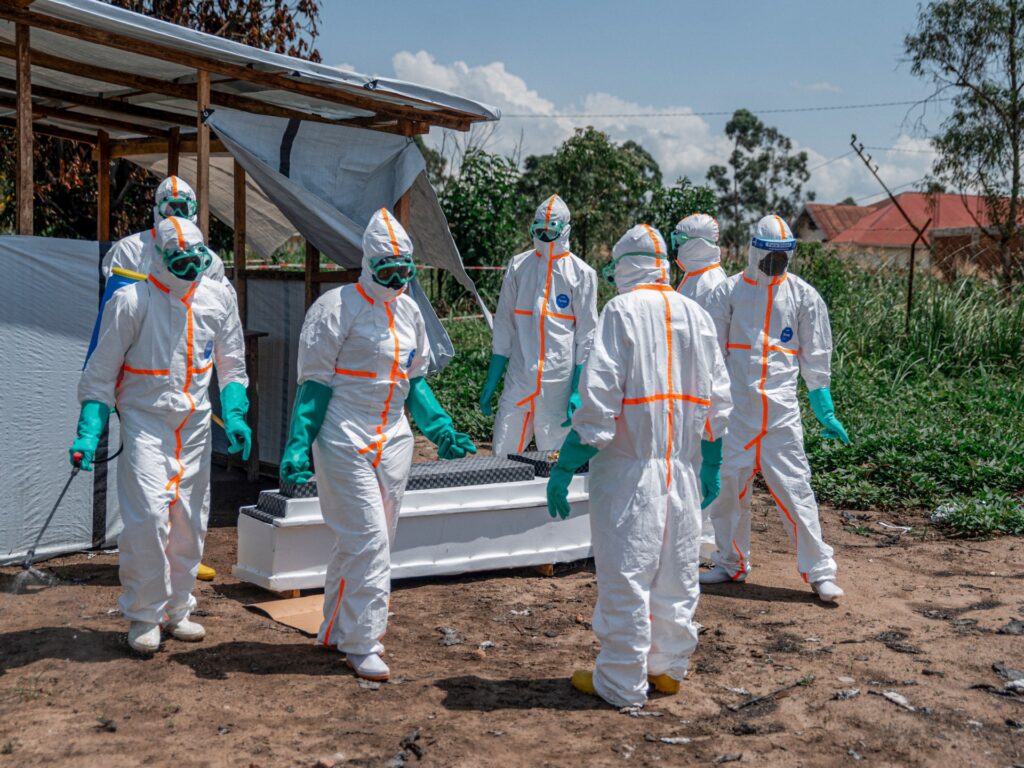
The Ebola outbreak continues to pose a significant threat to health and stability in affected regions. Health officials emphasize that controlling this deadly virus requires more than just medical intervention—addressing the accompanying humanitarian crisis is essential.
Ebola, a hemorrhagic fever with a high fatality rate, spreads rapidly in communities lacking basic resources. The outbreak exacerbates pre-existing vulnerabilities, including food insecurity, inadequate water, sanitation, and shelter. Without humanitarian aid, these conditions hinder efforts to contain the virus and care for the sick.
One major challenge is the disruption of healthcare systems. As the outbreak spreads, healthcare facilities become overwhelmed and understaffed. Many patients with other medical conditions cannot receive proper care, and health workers face increased risks without sufficient protective equipment. Humanitarian aid ensures that these facilities can continue operating safely and effectively.
Moreover, communities affected by Ebola often experience displacement as people flee infected areas. Displacement worsens living conditions, leading to crowded shelters where diseases can spread more easily. Humanitarian assistance provides shelter, food, and clean water, helping to reduce transmission risks.
Food insecurity is another critical issue. Quarantine measures and fear of infection limit access to markets and farms, causing shortages and malnutrition. Nutrition support supplied by humanitarian organizations bolsters the immune system of vulnerable populations, making them more resilient against Ebola.
Water and sanitation are paramount in controlling Ebola’s spread. The virus is transmitted through bodily fluids, and inadequate sanitation infrastructure allows contaminated waste to infect others. Providing safe water supplies and sanitation facilities is a key part of the aid response.
Community engagement and education are also vital. Misinformation and fear often lead to resistance against health interventions. Humanitarian workers play a crucial role in building trust and disseminating accurate information about Ebola prevention and treatment.
International cooperation is necessary to mobilize adequate resources. The scale of the crisis demands a coordinated response involving governments, aid agencies, and local communities. Without sufficient funding and logistic support, the outbreak may continue unchecked.
In summary, while medical treatment and vaccines are critical in fighting Ebola, addressing the broader humanitarian needs is equally important. Providing food, shelter, water, sanitation, and education enhances the effectiveness of the health response and ultimately saves lives. Health officials stress that the Ebola response will only succeed with strong humanitarian support, underscoring the interconnectedness of health and humanitarian efforts in battling this deadly outbreak.