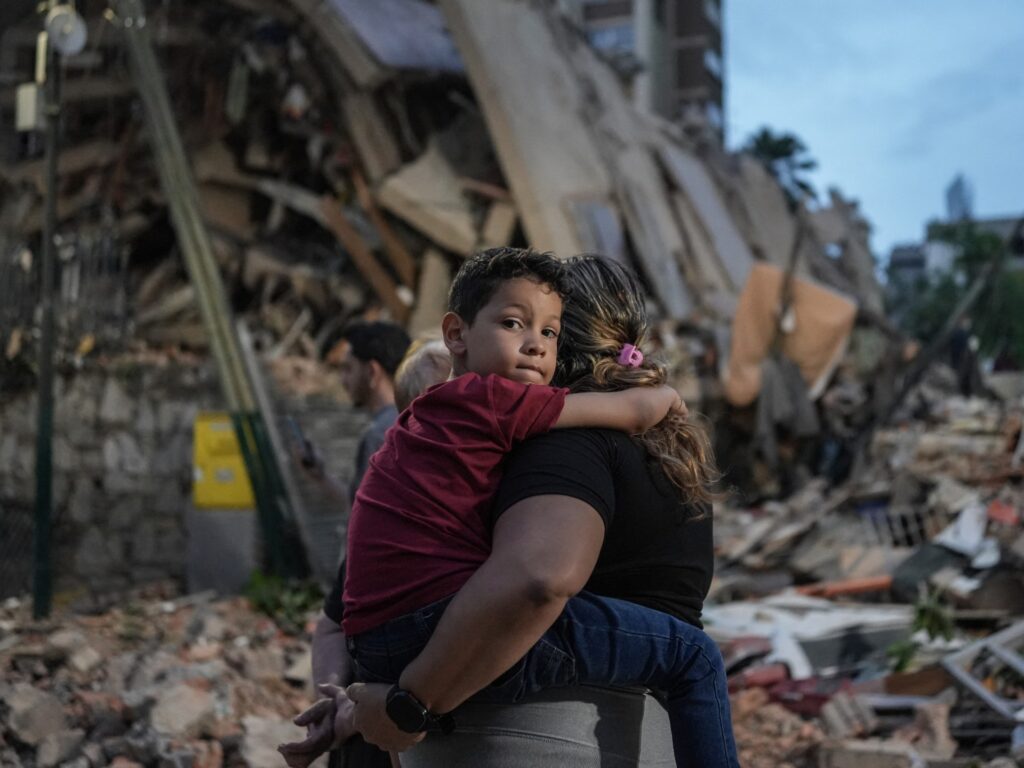
Venezuela has recently been struck by devastating earthquakes, causing significant destruction and humanitarian needs. In the wake of this disaster, international aid operations are mobilizing to provide essential assistance. However, the ongoing financial sanctions imposed on Venezuela have introduced complex challenges that could limit the flow of aid.
Financial sanctions, which typically restrict access to banking systems and international financial markets, can severely hinder the ability of both governmental and non-governmental organizations to transfer funds necessary for relief efforts. When sanctioned countries face these limitations, it becomes tougher to procure critical supplies, pay local workers, and coordinate logistics that are vital during emergency responses.
Beyond the financial barriers, political dynamics add another layer of complexity. Aid providers often express concerns about political influence and control, fearing that assistance could be manipulated or diverted by governing authorities or factional forces within the country. In Venezuela’s case, the political environment is already tense due to ongoing governance disputes and economic turmoil. This political uncertainty makes the distribution of aid both difficult and risky.
Humanitarian organizations stress the importance of ensuring that aid reaches affected populations without interference. Yet, financial sanctions can inadvertently obstruct aid operations by increasing bureaucratic hurdles or forcing organizations to navigate opaque legal restrictions. Some sanctions have exemptions designed to allow humanitarian aid to proceed, but the fear of penalties and legal repercussions can lead to over-compliance, where aid agencies avoid essential transactions altogether.
The impact of sanctions on aid is not just theoretical. Reports from recent disaster zones indicate delays in clearing supplies, challenges in hiring local staff, and difficulties in funding operations on the ground. In Venezuela, this translates into slower relief delivery which could exacerbate human suffering, particularly for vulnerable communities that are in urgent need of food, medical care, shelter, and water.
International actors and humanitarian groups have called for the temporary suspension or easing of sanctions to facilitate a more effective emergency response. This approach aims to prioritize humanitarian needs over political considerations in times of crisis. Some advocacy groups argue that separating humanitarian aid from political disputes is essential to save lives and maintain human dignity.
At the same time, some governments are cautious, concerned that easing sanctions might weaken pressure on the Venezuelan government to implement reforms or address human rights concerns. This dilemma highlights the often complex balance between political objectives and urgent humanitarian imperatives.
Efforts to navigate these challenges require coordination among donors, international organizations, governments, and Venezuelan authorities. Transparency, assurance of aid neutrality, and adherence to international humanitarian standards are critical elements to mitigate risks and build trust.
Overall, the intersection of sanctions and humanitarian aid in Venezuela reflects a broader global challenge where political and economic measures impact humanitarian activities. The ongoing earthquakes have underscored the urgency of finding solutions that allow aid to flow swiftly and effectively to those in need, while still considering the geopolitical realities.
Venezuela’s experience could serve as a case study for the international community on how best to manage aid in sanction-affected regions. The hope remains that through cooperation and pragmatic policies, humanitarian efforts can overcome obstacles posed by sanctions and political concerns to alleviate suffering and promote recovery after such natural disasters.