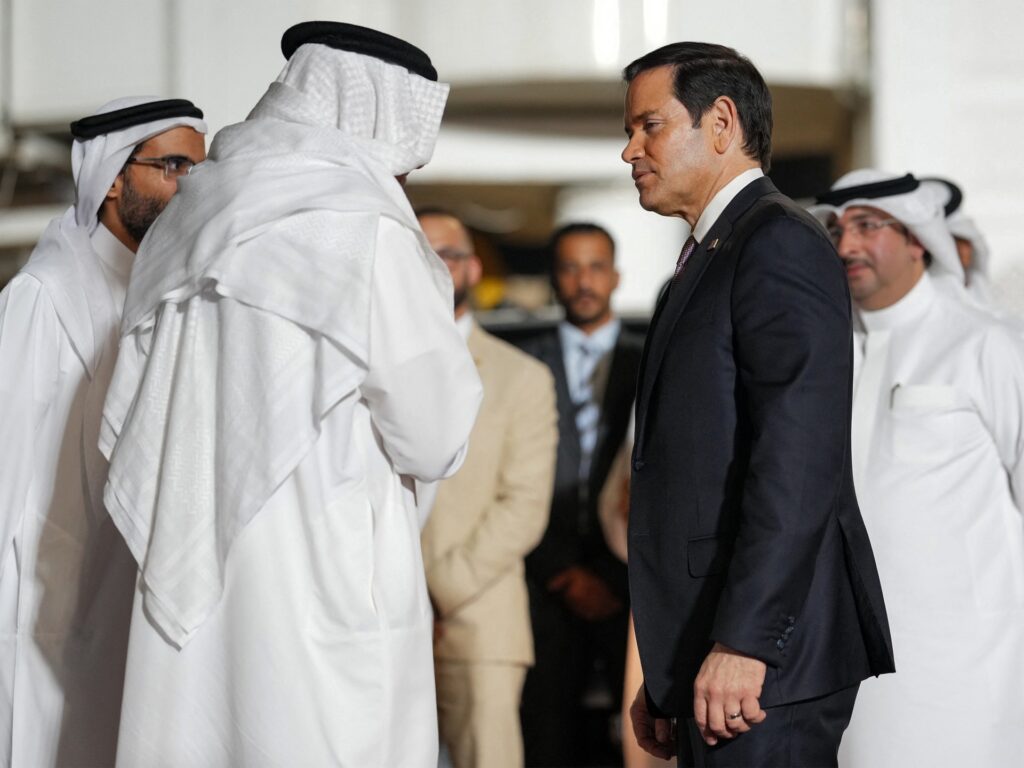
Senator Marco Rubio issued a stern warning regarding the strategic Strait of Hormuz as he concluded his diplomatic tour of the Gulf region. This visit marks the first high-level diplomatic mission following the recent US-Iran framework agreement announced last week.
The Strait of Hormuz is a critical maritime chokepoint through which a significant percentage of the world’s oil supply transits daily, making it a focal point of international geopolitical interest. Rubio emphasized the importance of securing this passage against any threats that could disrupt global energy markets and jeopardize regional security.
During his talks with Gulf leaders, Rubio highlighted the need for enhanced cooperation and vigilance among Gulf Cooperation Council (GCC) states to counter potential Iranian influence or aggression in the area. He underscored that any attempt to impose tolls or restrict navigation through the Strait of Hormuz could have severe consequences not only for the Gulf economies but also for global energy stability.
Rubio’s warnings come amidst growing tensions and uncertainties following the US-Iran framework agreement, which seeks to address Iran’s nuclear ambitions and regional policies. While the agreement aims to reduce conflict, there remain concerns about Iran’s adherence and the possibility of continued covert activities.
The senator’s Gulf tour included visits to several key countries, where he met with government officials to discuss security collaboration, economic partnerships, and strategies to uphold the freedom of navigation in international waters. Rubio also reiterated the United States’ commitment to support its Gulf allies in maintaining a stable and secure environment in an increasingly complex geopolitical landscape.
Experts see Rubio’s visit as a clear signal of Washington’s intent to maintain a strong presence and influence in the Gulf region, balancing diplomatic engagement with strategic deterrence. The timing of this mission, immediately following the US-Iran talks, further highlights the intricate dynamics at play in Middle Eastern diplomacy.
In conclusion, Rubio’s remarks serve as a reminder of the ongoing challenges faced in the Gulf and the critical importance of ensuring unobstructed maritime routes for global commerce. The senator’s call for vigilance and unity among Gulf states resonates strongly amid an era of shifting alliances and regional uncertainties.