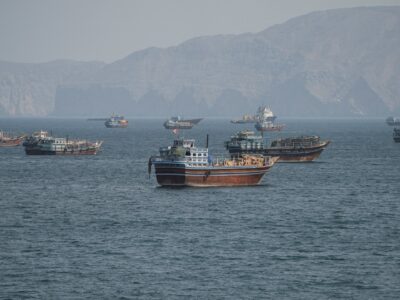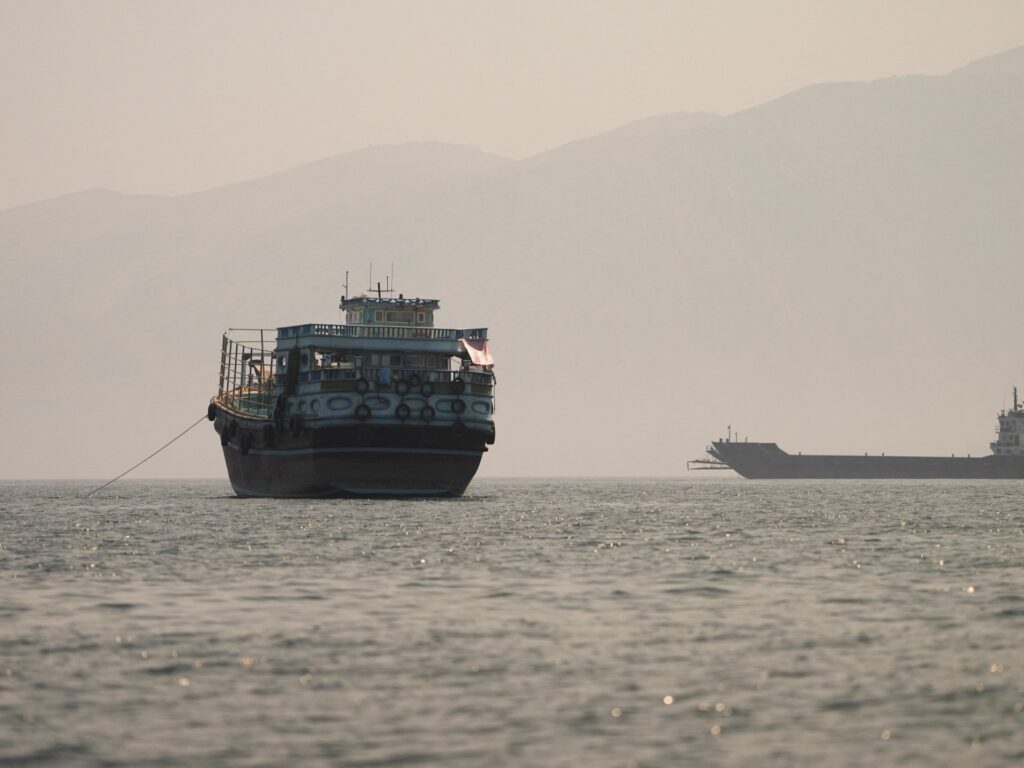
In recent developments, Iran has issued stern warnings against any unauthorized crossings of the Hormuz Strait, a strategic chokepoint in global oil transportation. The Strait of Hormuz, connecting the Persian Gulf with the Gulf of Oman and the Arabian Sea, is one of the world’s most critical maritime passages for crude oil shipments. Iranian authorities, particularly the Revolutionary Guards, have increased vigilance and threats toward vessels that navigate these waters without proper authorization.
Despite these warnings, reports indicate that an oil tanker has been navigating the strait, reportedly hugging the western coast, an area closely monitored by Iranian forces. This move has raised concerns among international observers due to the potential for escalations or confrontations in these tense waters.
The Strait of Hormuz is vital for global energy supplies, with approximately 20% of the world’s petroleum passing through it daily. Iran’s control and influence over this narrow passage give it significant leverage in geopolitical and energy security matters. The Revolutionary Guards, tasked with safeguarding Iran’s territorial waters and national security interests, have made it clear that any vessel crossing without permission risks interception or other confrontational measures.
This alert from Iran comes amid rising tensions in the region, involving disputes over sanctions, naval movements, and wider geopolitical rivalries. The international community has urged calm and the safe passage of ships through the strait, emphasizing the need to avoid any incident that could disrupt global oil markets or escalate conflicts.
Maritime experts highlight that while freedom of navigation is a principle under international law, the complex political dynamics around the Strait of Hormuz require careful negotiation and adherence to regulations imposed by Iran and neighboring countries. Shipping companies and oil operators are advised to maintain close communication with relevant authorities and to avoid routes that could trigger confrontations.
In summary, Iran’s warning against unauthorized crossings of the Hormuz Strait underscores ongoing tensions in one of the world’s most sensitive maritime corridors. The incident involving an oil tanker navigating close to the western coast despite threats from the Revolutionary Guards exemplifies the delicate balance between asserting national sovereignty and ensuring the free flow of commerce. Stakeholders around the world will be watching closely as this situation develops, aware of the potential implications for regional stability and global energy security.