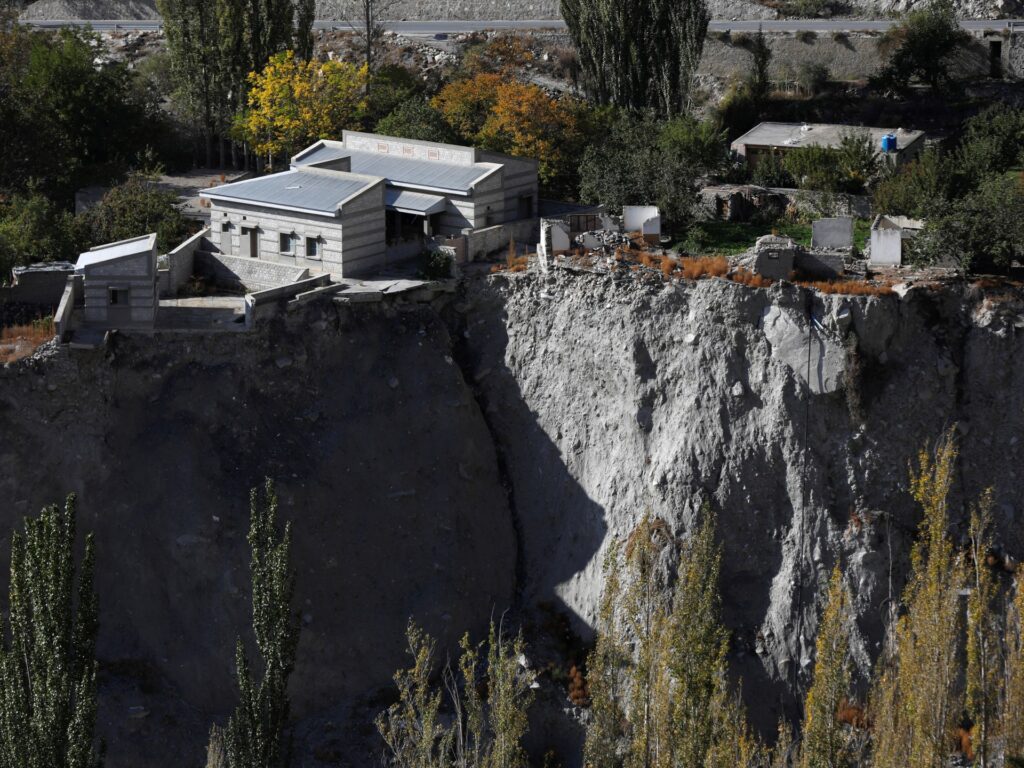
Pakistan has issued a nationwide alert as the country braces for a potential severe monsoon season, marking what could be the fourth consecutive year of intense and punishing monsoon rains. Authorities have expressed concerns over the possibility of heavy rains and subsequent flooding, which could lead to widespread disruptions and pose significant risks to lives and property.
The alert comes as meteorological departments forecast the arrival of the monsoon season this month. Historically, the monsoon period in Pakistan has brought significant rainfall, sometimes resulting in devastating floods. Over recent years, these monsoon rains have become increasingly intense, causing considerable challenges for both urban and rural communities.
Government officials are mobilizing resources to prepare for possible flooding, emphasizing the importance of disaster readiness and community alertness. Emergency services, including disaster response teams, have been placed on high alert to respond swiftly to any emerging situations.
The flood warnings have prompted calls for vigilance among residents, especially those living in flood-prone areas near rivers and low-lying regions. Authorities have advised citizens to stay informed through official channels and to heed any evacuation orders or safety guidelines issued during the monsoon period.
Pakistan has faced several severe flood events in past monsoon seasons, resulting in loss of life, displacement, and damage to infrastructure such as roads, bridges, and homes. These events have also disrupted agriculture, which is a vital sector for the country’s economy.
In preparation for the upcoming monsoon, efforts are underway to reinforce embankments and improve drainage systems in vulnerable areas. Hydrological studies and weather monitoring are being intensified to provide timely and accurate forecasts.
The repeated occurrence of heavy monsoon rains has raised concerns about climate change and its impact on weather patterns. Experts warn that rising temperatures and changing atmospheric dynamics may increase the intensity and unpredictability of these seasonal rains.
Pakistan’s government, alongside international agencies, is working on disaster risk reduction strategies to enhance resilience against monsoon-related hazards. Investments in early warning systems and community education are seen as crucial measures to mitigate the impacts of floods.
As the country prepares for the monsoon season, there is a strong emphasis on coordination between provincial and federal authorities to ensure an effective response. Public awareness campaigns are also being launched to inform citizens about emergency preparedness.
In conclusion, Pakistan’s nationwide alert over fears of heavy rains and flooding is a proactive step in addressing the challenges posed by the monsoon season. With heightened preparations and community cooperation, the aim is to minimize the adverse effects of this natural phenomenon and safeguard lives and livelihoods across the nation.