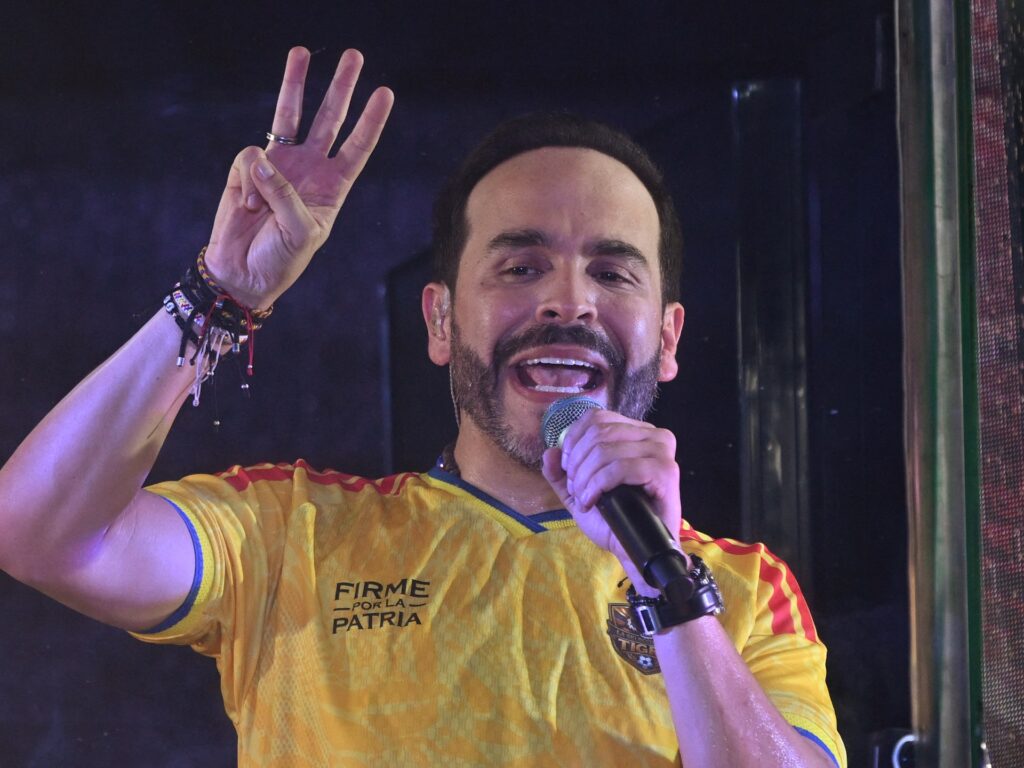
In a stunning and razor-thin victory, millionaire businessman Abelardo de la Espriella, endorsed by former U.S. President Donald Trump, has been elected President of Colombia. De la Espriella’s win marks a significant shift to the far-right in Colombian politics, breaking the trend of more moderate and left-leaning leadership in recent years.
De la Espriella’s campaign was characterized by a populist and nationalist rhetoric, emphasizing law and order, economic liberalization, and a strong stance against drug cartels and guerrilla groups.
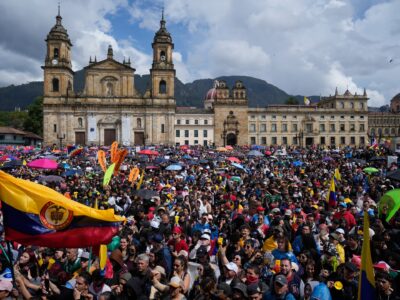
His triumph, by just a few percentage points, reflects a deeply divided country where issues such as economic inequality, security concerns, and dissatisfaction with the political establishment are at the forefront.
Observers note this election result could trigger major changes in Colombia’s domestic and foreign policies. Internally, De la Espriella is expected to prioritize aggressive measures against crime and corruption, potentially reshaping Colombia’s military and security apparatus. There may also be attempts to overhaul the tax system and push forward reforms aimed at attracting foreign investment, while balancing social programs to address poverty.
On the international stage, De la Espriella’s presidency might realign Colombia closer to the United States, following Trump’s political blueprint, focusing on bilateral trade agreements, military cooperation, and a tougher stance on Venezuela’s socialist government.
However, such a shift could provoke tensions with neighboring countries that favor more progressive policies. There are concerns among human rights groups and international observers about potential setbacks to Colombia’s peace process with former guerrillas, as well as possible restrictions on civil liberties.
The electoral process was highly contested, with opposition parties challenging the closeness of the result, demanding recounts and alleging irregularities. This divide could lead to political instability if not carefully managed.
As De la Espriella prepares to assume office, much attention is on how his administration will balance the demands of his far-right base with the needs of a fragmented nation struggling with social and economic challenges.
Colombia stands at a crossroads, facing an uncertain future with a leader whose policies could either forge strong economic growth and security or deepen divisions and unrest. The months ahead will be critical in defining the trajectory of the country under De la Espriella’s leadership.