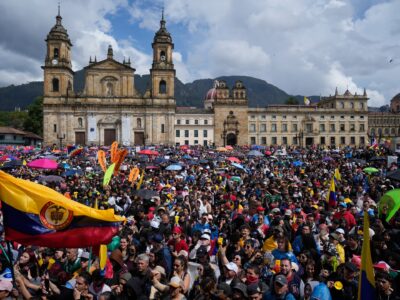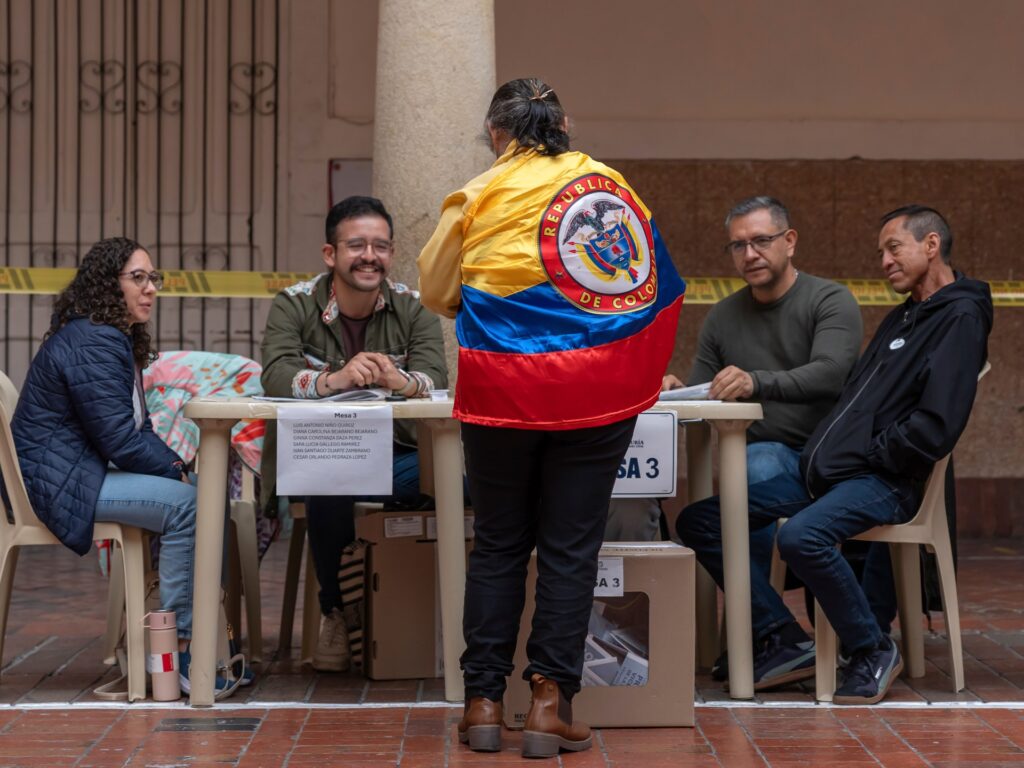
Colombia is currently witnessing a highly charged run-off presidential election that has captured national and international attention. The contest pits leftist candidate Ivan Cepeda against far-right lawyer Abelardo de la Espriella in a pivotal race that could determine the country’s political trajectory for years to come.
The election is marked by contrasting visions for Colombia’s future. Ivan Cepeda, a prominent left-wing figure known for his advocacy on human rights and social justice, has campaigned on promises of strengthening social welfare programs, reducing inequality, and fostering peacebuilding efforts, particularly in traditionally marginalized communities.
On the other side, Abelardo de la Espriella represents a far-right approach with a platform emphasizing law and order, economic liberalism, and tough stances against crime. As a seasoned lawyer, de la Espriella has made his mark by defending business interests and advocating for stronger security measures, resonating with voters concerned about violence and economic uncertainty.
The polarized nature of this election reflects deep divisions within Colombian society. Issues such as land reform, economic disparity, peace agreements with former guerrilla groups, and corruption have fueled vigorous debate. Observers note that the election’s outcome could either reinforce the recent shifts toward progressive policies or swing the nation back toward conservative rule.
Polls opening have drawn significant voter turnout, underscoring the high stakes involved. Both candidates have mobilized their bases vigorously, holding rallies and engaging in extensive grassroots campaigning. The electoral atmosphere is intense, with supporters of both sides expressing strong emotions about what’s at stake.
Internationally, there is keen interest in the election’s result. Colombia is a key player in Latin America’s geopolitical landscape, and its leadership will influence regional cooperation on issues like trade, security, and migration.
This election is not just about choosing a president; it is a reflection of Colombia’s ongoing struggle to reconcile its complex history with aspirations for a more equitable and secure future. The run-off is expected to deliver a clear mandate, signaling the direction the country wants to take after years of conflict and political upheaval.
As the votes are tallied, citizens, political analysts, and foreign observers alike await with bated breath. The outcome could either usher in a new era of progressive reforms under Ivan Cepeda or a conservative, security-focused government led by Abelardo de la Espriella.
In conclusion, the Colombian presidential run-off election stands as a critical juncture for the nation. With both candidates representing starkly different ideologies and policy approaches, the decision made by Colombian voters will likely have profound implications not just for Colombia, but for the broader Latin American region in the coming years.