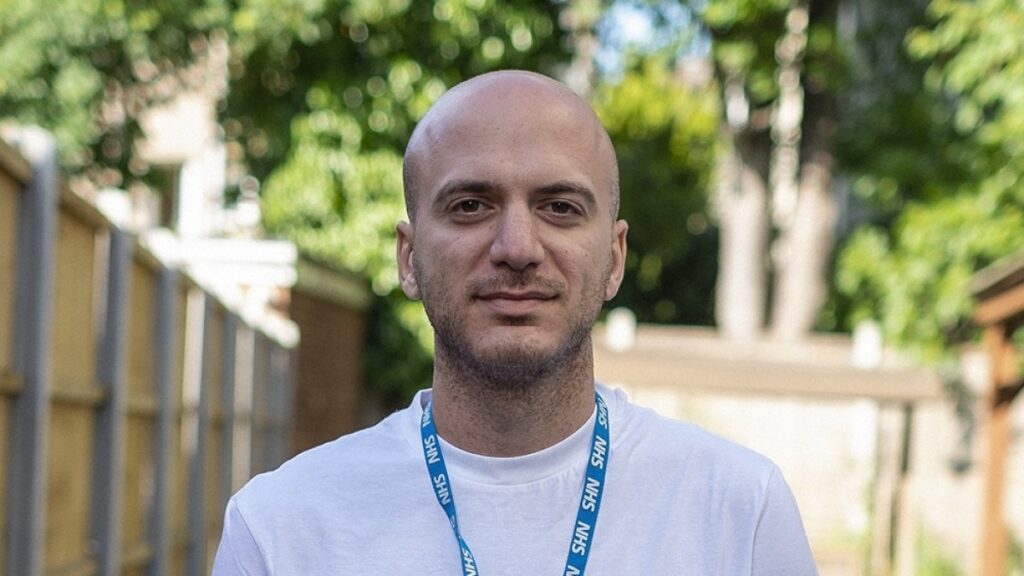
In a significant development, Syrian activist Hassan Akkad has been released just days after his detention. The release comes amid reports that journalist Mousa al-Omar, who had filed a complaint against Akkad over online criticism, has withdrawn the complaint.
Hassan Akkad, known for his activism and outspoken views, was detained recently in Syria, raising concerns among human rights groups and international observers. His detention sparked reactions across social media and advocacy networks, highlighting ongoing issues of freedom of expression in the region.
The complaint filed by Mousa al-Omar against Akkad centered on comments made by Akkad criticizing certain elements of Syrian society and government policies. Details of the dispute remain somewhat unclear, but the withdrawal of the complaint has directly influenced Hassan Akkad’s release.
Observers note that the swift resolution of this case may suggest mediation behind the scenes, with possible negotiations between different parties aiming to avoid prolonged conflict and further detention of activists.
Hassan Akkad’s case exemplifies the challenges faced by activists in Syria, where expressing dissenting opinions online can lead to serious consequences. His brief detention highlighted the delicate balance between online activism and governmental responses.
Following his release, Akkad has expressed relief and gratitude to supporters who campaigned for his freedom. Human rights organizations have reiterated the importance of safeguarding basic rights such as freedom of speech and protecting activists from punitive actions.
This event also sheds light on the complex relationships between journalists and activists in Syria. While both groups often seek to expose truths and advocate for change, disagreements and legal confrontations can occur, especially in a fraught political environment.
The incident underscores the need for continued dialogue and understanding to support peaceful activism and reliable journalism without fear of repression or retaliation.
Syria remains a country where civic voices struggle for recognition amidst conflict and authoritative measures. The release of Hassan Akkad is a reminder of the ongoing fight for human rights and the power of collective advocacy.
As Hassan Akkad resumes his activism, there is hope that his case will encourage more open discussions and reforms concerning freedom of expression in Syria. It also serves as a cautionary tale about the vulnerabilities faced by those who dare to speak out.
The international community continues to monitor such cases closely, urging Syrian authorities to respect human rights and uphold principles of justice and fairness.
In conclusion, the release of Hassan Akkad after the withdrawal of the complaint filed by Mousa al-Omar marks a noteworthy event in the realm of human rights and activism in Syria. It highlights the complexities and risks involved in online criticism and the importance of protecting activists from unjust detentions.