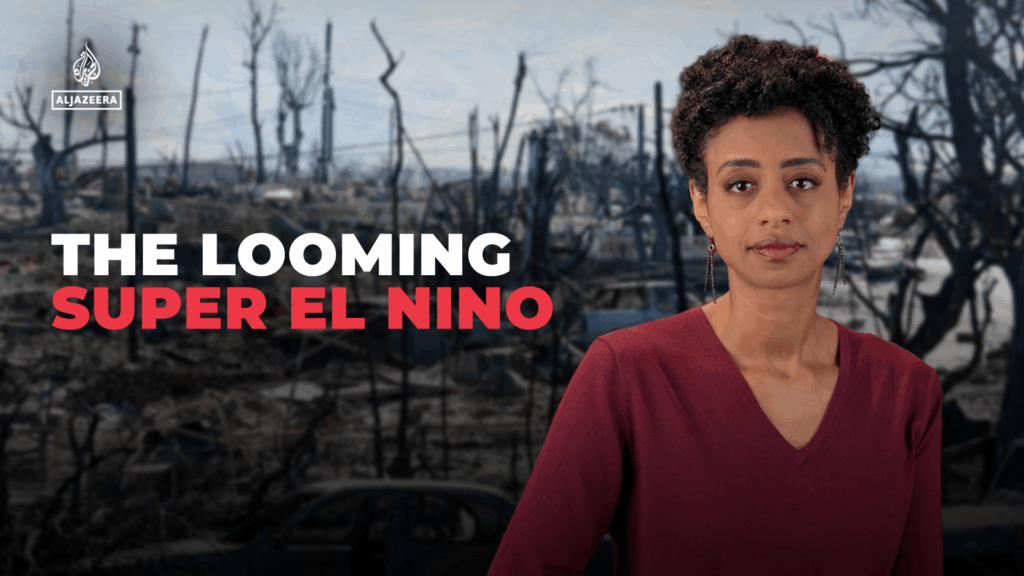
As the world watches with growing concern, experts predict the emergence of a powerful Super El Niño event reaching its peak in November. El Niño, a periodic climate phenomenon characterized by the warming of surface waters in the central and eastern Pacific Ocean, has far-reaching effects on global weather patterns. This upcoming Super El Niño is anticipated to be stronger than recent occurrences, raising alarms about its potential to disrupt food supply chains and trigger extreme weather.
El Niño events typically lead to significant changes in atmospheric circulation, affecting rainfall and temperature patterns worldwide. The forecast of a particularly intense El Niño this year compels governments, farmers, and disaster response agencies to prepare for impacts that could exacerbate challenges already faced due to climate change.
One of the most pressing concerns linked to a strong El Niño is its impact on agriculture. Warmer ocean temperatures influence rainfall distribution, potentially causing droughts in some regions and excessive rainfall in others. Such irregularities threaten crop yields, which depend heavily on stable weather. Countries that rely on rain-fed agriculture are especially vulnerable; disruptions in these areas could lead to reduced harvests, pushing food prices higher globally and increasing food insecurity.
In South America, countries like Peru and Ecuador might experience increased rainfall and flooding, damaging infrastructure and farmland. Conversely, parts of Southeast Asia and Australia could endure severe droughts, severely impacting rice production and other staple crops. These shifts can cause ripple effects across international food markets, affecting not only local populations but also global consumers.
Beyond agriculture, the anticipated Super El Niño is expected to intensify extreme weather events. Hurricanes, cyclones, and typhoons could become more frequent or severe as ocean and atmospheric conditions become more volatile. For example, warmer sea surface temperatures fuel the energy for these powerful storms, potentially resulting in greater damage to coastal communities.
Moreover, the heat associated with El Niño can contribute to heatwaves and wildfires, especially in parts of the western United States, Australia, and southern Europe. Such events not only threaten human health and property but also strain emergency services and disrupt daily life.
Scientists have highlighted the importance of monitoring oceanic and atmospheric indicators closely in the coming months to better predict the trajectory and impacts of the Super El Niño. Enhanced forecasting models and international collaboration are crucial to mitigating risks and preparing for contingencies.
International organizations and governments are urged to implement early-warning systems, stockpile essential food supplies, and develop resilient agricultural practices to cope with the anticipated challenges. Public awareness campaigns can also play a vital role in helping communities understand the risks and prepare accordingly.
This looming Super El Niño serves as a stark reminder of the interconnectedness of our global climate system and the urgent need for proactive, coordinated action to safeguard food security and reduce vulnerability to extreme weather events. While the exact severity and duration of this El Niño episode remain uncertain, the potential consequences underscore the importance of vigilance and preparedness in the face of nature’s powerful forces.