In a tense escalation of the ongoing conflict between Russia and Ukraine, three people were reported killed in Ukraine a day after a drone attack in Moscow resulted in the death of a child. The incident marks a grim new chapter in the hostilities, underscoring the dangerous spillover from the military engagements in the region.
The drone attack on Moscow, described as the biggest ever on the Russian capital, targeted civilian areas and tragically claimed the life of a child, sparking outrage and deep concern among Russian officials and citizens alike. This incident highlights the increasing reach and impact of drone warfare in urban areas, raising questions about civilian safety and the complexities of modern conflict.
Following the attack, the Kremlin swiftly reacted, vowing to continue its military operations against Ukraine. Russian officials declared that the strikes would persist in retaliation for the drone assault, emphasizing the government’s resolve to defend national security and maintain pressure on Ukrainian forces.
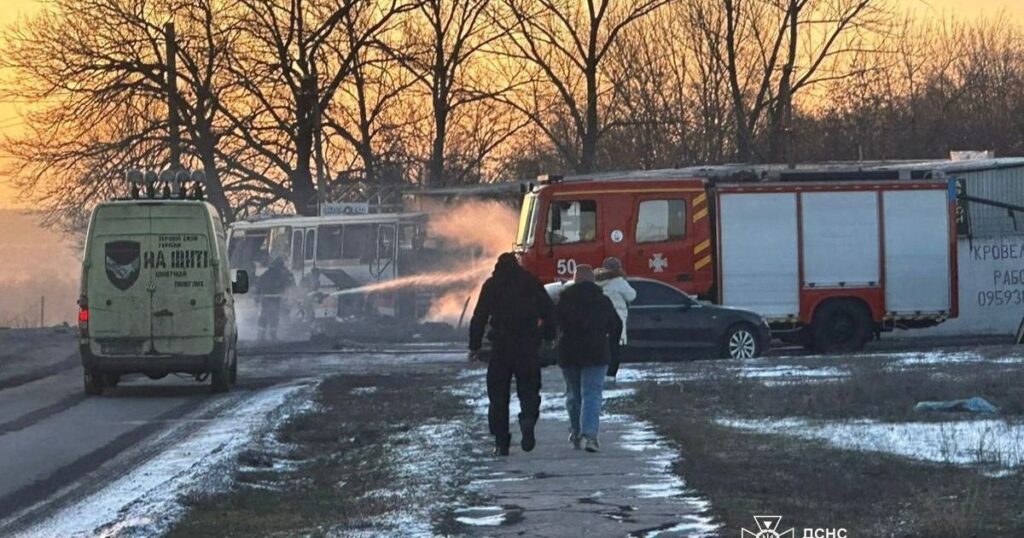
The deaths in Ukraine, reported just a day later, involved three individuals killed amid ongoing strikes, illustrating the heightened state of conflict and the human toll it continues to exact on both sides. The situation remains fluid, with both sides engaged in aggressive military tactics and a growing number of casualties.
This escalation comes against a backdrop of broader geopolitical tensions and efforts by international actors to mediate and de-escalate the conflict. However, the recent events suggest a hardening stance, with little immediate prospect for peace talks or ceasefire agreements.
Experts warn that the use of drones in densely populated urban centers not only increases the likelihood of civilian casualties but also complicates the strategic and ethical considerations of warfare. The drone attack on Moscow is a stark example of these challenges, demonstrating how modern technology can alter the dynamics of conflict and exacerbate human suffering.
As the Kremlin signals uncompromising retaliation, the international community watches closely, concerned about the potential for broader regional instability and the impact on global security.
The situation remains highly volatile, with the possibility of further strikes and retaliatory actions looming large. Civilians in both Russia and Ukraine continue to bear the brunt of the violence, facing uncertain futures amid the ongoing hostilities.
This tragic sequence of events underscores the urgent need for diplomatic solutions and renewed efforts to halt the escalation and find a peaceful resolution to the conflict. Meanwhile, the human cost of the conflict continues to rise, with no clear end in sight.