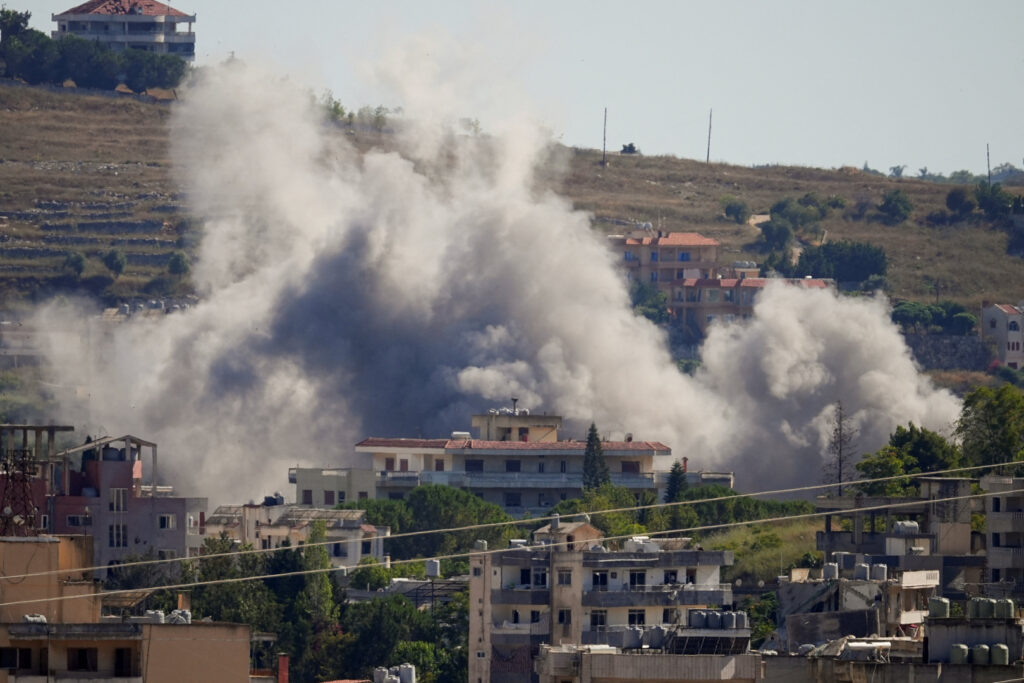
Smoke billows from southern Lebanon following an Israeli strike, as seen from Nabatieh, southern Lebanon, June 19, 2026. REUTERS/Stringer
In a sudden and dramatic escalation, Israeli air strikes struck southern Lebanon just minutes after a newly agreed-upon ceasefire between Israel and Hezbollah took effect. The ceasefire, intended to halt hostilities and bring a period of calm to the region, was shattered almost immediately, underscoring the fragile nature of peace in this volatile area.
The explosions were reported in southern Lebanon, a region historically caught in the crossfire between Israeli forces and Hezbollah militants. Witnesses from the area recounted hearing loud blasts shortly after the ceasefire was announced, sending shockwaves through local communities and igniting fears of renewed conflict.
This incident raises critical questions about the enforcement and sincerity of the ceasefire agreements brokered in recent times. The swift return to violence suggests that underlying tensions and unresolved issues remain potent triggers for conflict despite diplomatic efforts.
Israel has not yet officially commented on the air strikes, but historically, such military actions have been justified by the Israeli government as preemptive strikes against Hezbollah positions deemed threatening to Israeli security. On the other side, Hezbollah views such attacks as violations of Lebanese sovereignty and a provocation to further violence.
The international community, including the United Nations and regional powers, had welcomed the ceasefire as a crucial step toward lasting peace a day earlier. The sudden collapse of the ceasefire threatens to derail diplomatic efforts and could potentially spiral into broader conflict with severe humanitarian consequences.
Residents of southern Lebanon are now bracing for potential further escalations as military tensions rise. Local authorities have called for restraint and urged both sides to return to the negotiating table to solidify any peace agreement and prevent future flare-ups.
This latest event highlights the complexity of the Israel-Hezbollah conflict, involving political, territorial, and sectarian dimensions that make sustainable peace challenging to achieve. Both sides have historically engaged in periodic clashes, despite numerous ceasefires intended to halt fighting.
The international diplomatic community is expected to respond swiftly, calling for an immediate cessation of hostilities and renewed dialogue. Aid organizations have also expressed concern over the safety of civilians caught in the conflict zones and have called for humanitarian access to affected areas.
As the situation develops, the world watches anxiously, hoping that this breach of the ceasefire will serve as a wake-up call to all parties involved about the urgent need for a lasting resolution. The people of Lebanon and Israel, exhausted by repeated cycles of violence, deserve peace and security.
In summary, the Israeli air strikes on southern Lebanon immediately following a new ceasefire announcement represent a significant setback for peace efforts. This incident demonstrates the fragility of ceasefire agreements in the region and the ongoing challenges faced in securing a durable peace between Israel and Hezbollah.
Stakeholders at all levels must prioritize dialogue, protection of civilians, and a genuine commitment to ceasefire compliance to prevent further deterioration of stability in this already volatile region.