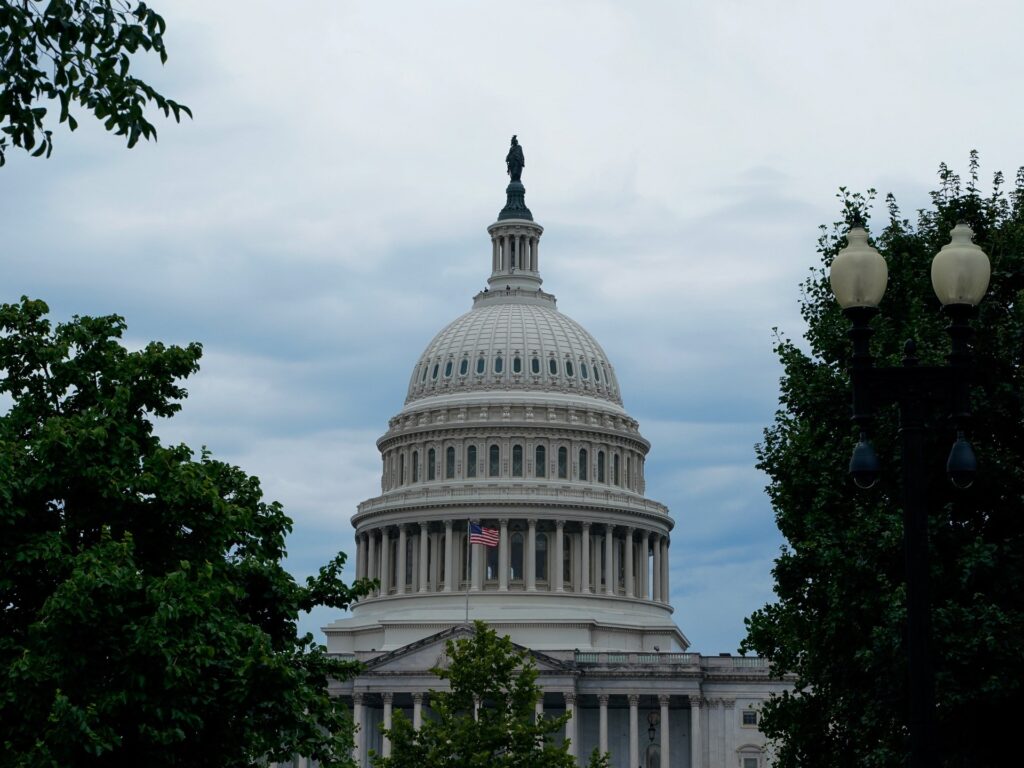
In 2015, a significant law was enacted requiring the executive branch to seek congressional approval for any agreement related to Iran’s nuclear program. This legislation came into focus recently, following the release of a memorandum detailing aspects of the Iran nuclear deal. The central question arises: Does former President Donald Trump have the obligation to submit the Iran memorandum of understanding (MoU) to Congress for approval?
The 2015 law, officially known as the Iran Nuclear Agreement Review Act (INARA), established a framework under which the President must notify Congress of any nuclear agreement with Iran. Upon notification, Congress is granted a specified period to review the deal and decide whether to approve or disapprove it. INARA was designed to increase congressional oversight and ensure that any accord affecting national security receives comprehensive legislative scrutiny.
During the Obama administration, the Iran nuclear deal, formally called the Joint Comprehensive Plan of Action (JCPOA), was submitted under this law for congressional review. However, President Trump’s position was notably distinct from his predecessor’s. He expressed significant criticism of the JCPOA and ultimately withdrew the United States from the deal in 2018.
Following the withdrawal, questions arose about whether subsequent memorandums or related agreements concerning Iran’s nuclear activities needed to be submitted under INARA. The confusion intensified with the release of this week’s Iran memorandum of understanding, which reignited debate over the administration’s compliance with congressional oversight requirements.
Legal experts suggest that if the memorandum constitutes a significant agreement or changes the terms related to Iran’s nuclear program, it should fall under INARA’s purview. Hence, submission to Congress would be obligatory. Conversely, if the memorandum is deemed administrative or non-binding, the obligation might not strictly apply.
The administration’s interpretation of the requirement often influences whether such documents are forwarded to lawmakers. Historically, executive branches have occasionally declined submissions, citing national security or diplomatic reasons. However, Congressional lawmakers and watchdog groups emphasize the importance of transparency and adherence to the 2015 law.
Criticism of non-submission includes concerns over unchecked executive power and the potential undermining of legislative authority in critical foreign policy decisions. Supporters of submission argue it helps build bipartisan consensus and legitimizes international agreements affecting global security.
In conclusion, while the 2015 law mandates congressional review of Iran nuclear deals, the exact requirement for Trump to submit the latest Iran memorandum hinges on the memorandum’s nature and its impact on the underlying agreement. The ongoing debate underscores the delicate balance of power between the Executive and Legislative branches in the realm of international diplomacy and national security.