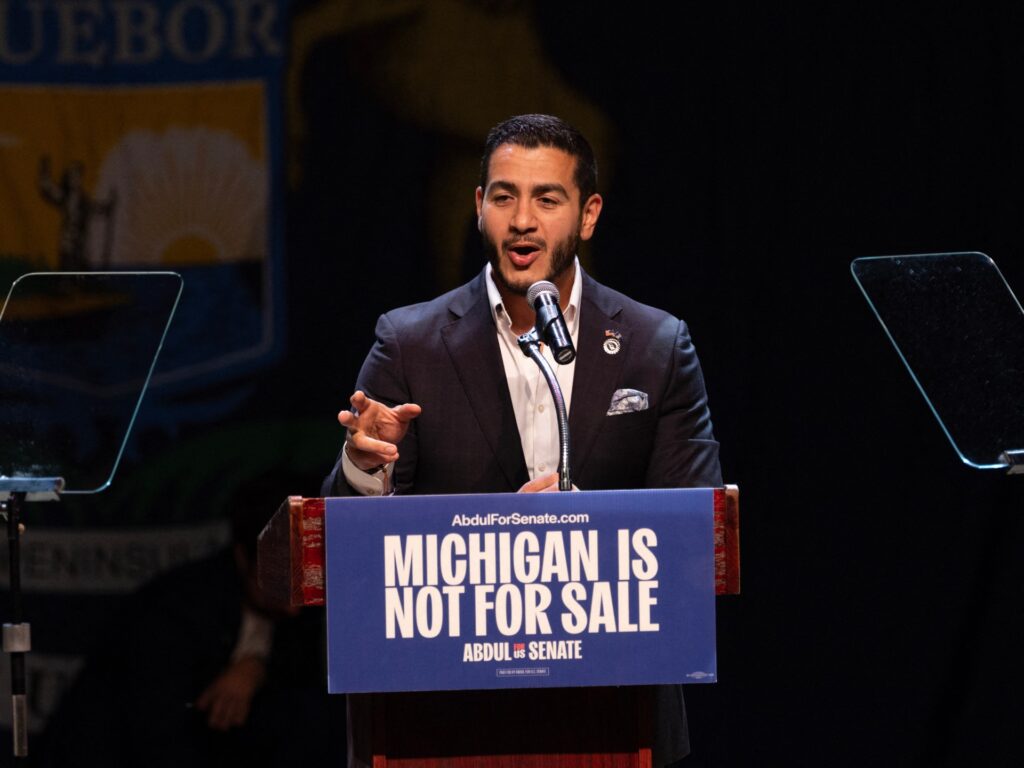
The recent primary elections in Michigan, Missouri, and Washington have brought to light several significant political dynamics, prominently highlighting a rift within the Democratic Party between progressives and centrists. One of the most defining issues underscoring this divide is the varying stance on US support for Israel.
The primaries served as a political barometer reflecting voter sentiment and the ideological direction of the Democratic Party. In Michigan, the contests saw a strong showing from more moderate or centrist candidates, who tend to support traditional US foreign policy alliances, including robust support for Israel. This contrasted with some progressive candidates who have pushed for a reevaluation or reduction of US military and financial aid to Israel, especially in light of ongoing conflicts and human rights concerns.
Missouri’s primary also illustrated this division, although with local nuances that influenced the outcomes. Here, centrist Democrats maintained some level of control, but progressive challengers made noteworthy inroads, suggesting that the party’s ideological debate is active and evolving.
Washington’s primary election results further emphasized the divide. This state, known for its progressive activism, saw several progressive candidates gaining traction. These candidates advocate for more critical scrutiny and conditionality in US foreign policy towards Israel. Their success signals a shift within parts of the Democratic base towards a more activist, human rights-focused agenda.
This ideological rift over US support for Israel ties into broader debates within the Democratic Party about foreign policy, social justice, and the party’s future direction. Progressives argue for a foreign policy that prioritizes human rights and seeks to recalibrate longstanding alliances, while centrists emphasize maintaining established partnerships and geopolitical stability.
The impact of these primary outcomes extends beyond the immediate races. They signal potential shifts in policy priorities if progressive candidates gain more influence in upcoming national elections. Such shifts could affect US foreign policy, legislative agendas, and the Democratic Party’s efforts to unify its diverse coalition of voters.
Analysts point out that this divide may require the Democratic Party to engage in careful coalition-building and messaging strategies to reconcile these perspectives ahead of future elections. Balancing support for Israel with responsiveness to progressive demands for human rights considerations presents both challenges and opportunities.
In summary, the Michigan, Missouri, and Washington primaries have revealed a critical and ongoing debate within the Democratic Party. The rift over US support for Israel underscores larger ideological divergences about America’s role in the world and the values guiding its foreign policy. The outcomes of these primaries will likely influence the party’s internal dynamics and policy debates leading up to the 2024 general elections and beyond.