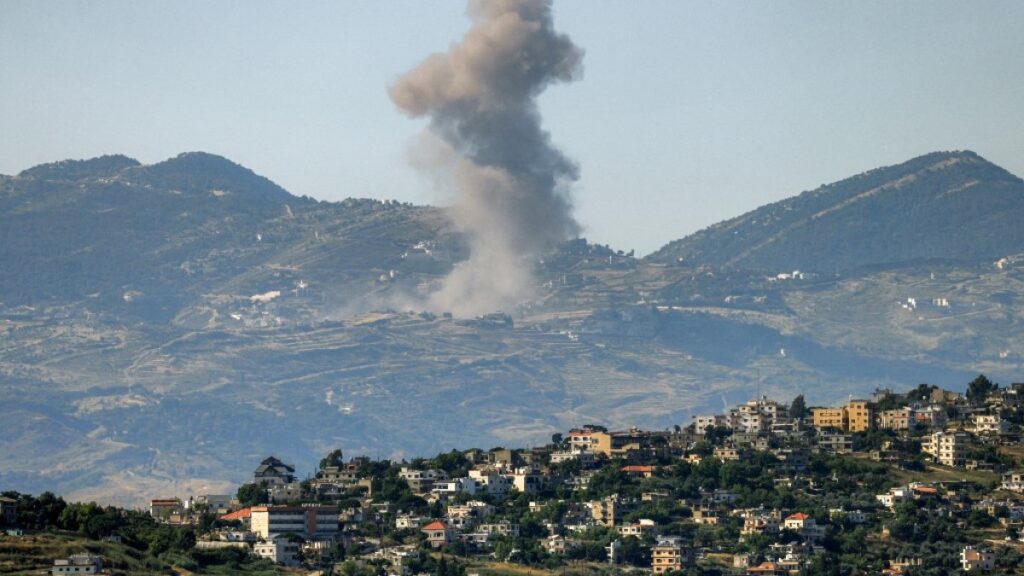
In a developing crisis, Israel has intensified its military operations against Lebanon, disregarding an earlier ceasefire agreement. Since midnight, at least 47 casualties have been reported as Israeli forces launched a series of attacks across Lebanon. The situation remains highly volatile, with escalating violence undermining efforts to stabilize the region.
The renewed hostilities come at a time of heightened diplomatic tension, as talks between the United States and Iran have stalled. These negotiations, which many hoped would ease regional conflicts, have so far failed to produce any breakthrough, contributing to the uncertainty and instability in the area.
Israel’s actions have been met with international concern and condemnation. The aggressive military response is seen by many as a dangerous escalation that could trigger broader conflict in the Middle East. Meanwhile, Lebanon is grappling with the humanitarian fallout from the attacks, including significant civilian casualties and damage to infrastructure.
The Israeli government justifies the offensive by citing security threats emanating from Lebanon, particularly from militant groups operating near the border. They claim that targeting these groups is essential to safeguarding Israeli territory and citizens. However, critics argue that the scale and intensity of the strikes are disproportionate and risk inflaming an already precarious situation.
International actors, including the United Nations and various human rights organizations, have called for an immediate halt to the violence. They emphasize the need for a genuine ceasefire and renewed diplomatic engagement to prevent further loss of life and destruction.
The United States, a key mediator in the Middle East, continues to push for dialogue despite the breakdown in talks with Iran. Washington’s diplomatic efforts aim to find a peaceful resolution to the conflicts affecting the region, though the current escalation makes achieving that goal more challenging.
Lebanon’s government has condemned the Israeli attacks, describing them as violations of sovereignty and acts of aggression. Lebanese officials have appealed to the international community for support and intervention to protect their citizens and restore peace.
The ongoing violence disrupts everyday life for people in Lebanon. Many communities are facing displacement, and critical services such as healthcare and education are under threat. The attacks have also intensified sectarian tensions within Lebanon, adding another layer of complexity to the country’s political and social fabric.
As the conflict persists, humanitarian organizations are mobilizing to provide aid and support to affected populations. Yet, access to devastated areas remains difficult due to ongoing hostilities and security concerns.
Regional powers are watching the situation closely, aware of the potential for the conflict to expand beyond Lebanon’s borders. The stability of the broader Middle East hangs in the balance, with implications for global security and economic interests.
Analysts warn that without a renewed commitment to ceasefire and diplomacy, the violence could spiral into a prolonged and more destructive war. They stress the importance of international cooperation to address the root causes of the conflict and to support peaceful solutions.
The current situation underscores the fragility of peace in the Middle East and the urgent need for coordinated international action. The lives of countless civilians depend on the ability of leaders to de-escalate tensions and work towards lasting peace.
As the world watches anxiously, the hope remains that diplomatic channels will reopen, leading to a ceasefire that holds and setting the stage for meaningful negotiations toward a sustainable resolution.
In conclusion, the continuation of Israeli attacks on Lebanon, despite a ceasefire agreement and amidst stalled US-Iran talks, marks a critical juncture in Middle Eastern geopolitics. The international community’s response in the coming days will be pivotal in shaping the trajectory of this conflict and the prospects for peace in the region.