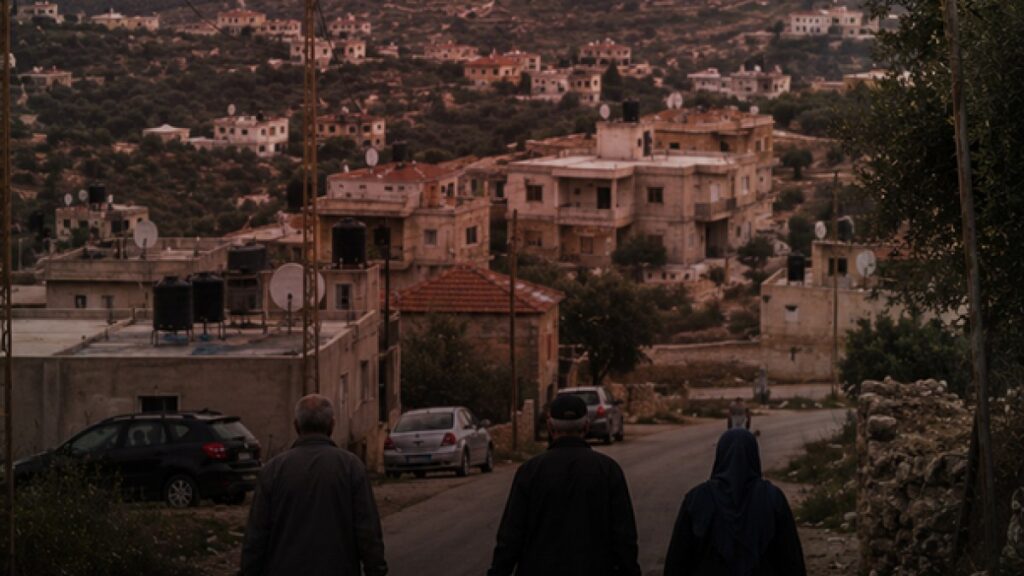
The situation in southern Lebanon remains tense despite recent diplomatic developments involving the United States and Iran. A fragile ceasefire has taken hold across the region, providing some relief for residents who are beginning to return to their homes after a period of conflict and unrest.
This ceasefire follows weeks of clashes and heightened tensions in the area, reflecting the fragile nature of peace in Lebanon. The recent US-Iran deal, aimed at reducing regional tensions and promoting stability, has yet to translate into lasting peace on the ground.
Residents of southern Lebanon have expressed cautious optimism as they return to rebuild their lives amid damaged infrastructure and the lingering effects of conflict. The ceasefire has reduced immediate violence, but many fear that without further diplomatic efforts and local reconciliation, tensions could flare up again.
Lebanon continues to face multiple challenges, including political instability, economic hardship, and security threats from various factions within the country and neighboring regions. The southern part of Lebanon has historically been a flashpoint due to its proximity to Israel and the presence of armed groups.
The international community has called for continued dialogue and restraint from all parties involved to ensure that the ceasefire holds and to prevent further escalation. Humanitarian organizations are also working to provide aid and support to those affected.
As residents cautiously return to their homes, the situation remains delicate. The ceasefire offers a window of opportunity for peace, but sustained efforts will be necessary to address the root causes of conflict and build a stable future for southern Lebanon and the country as a whole.