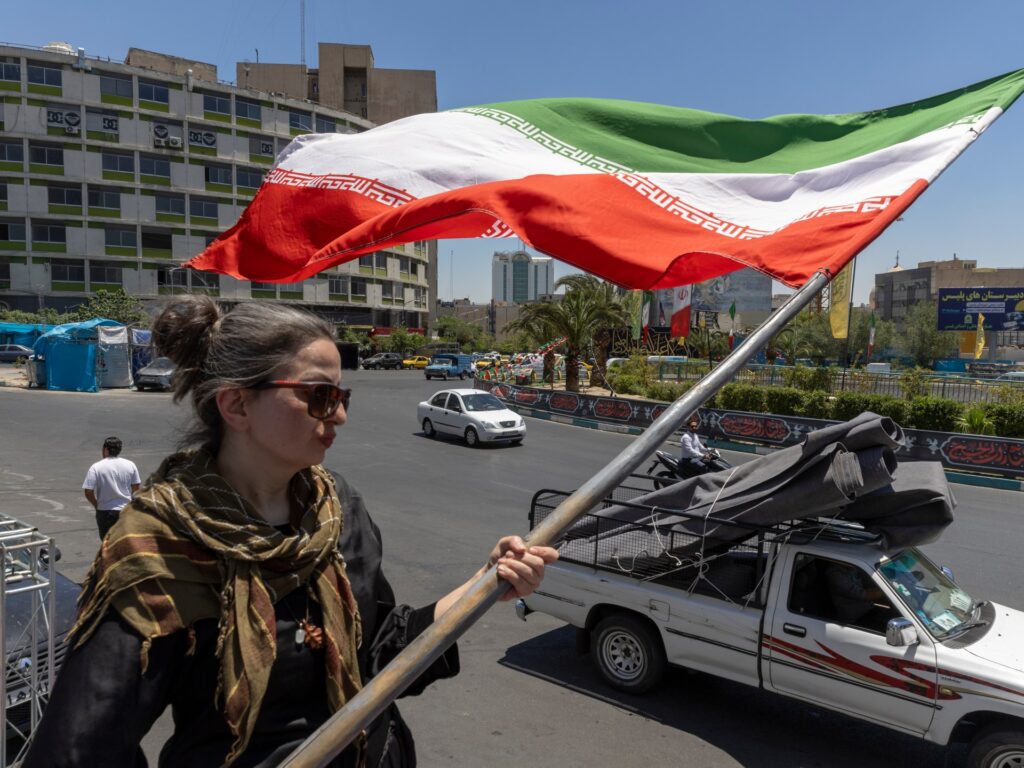
A US official has provided the clearest account yet of a significant 14-point ceasefire memorandum between the United States and Iran, which is set to be signed on an upcoming Friday. While the text of the memorandum remains unreleased, and Iran has not confirmed the details, the US account outlines key components of the proposed agreement.
The memorandum aims to establish a framework for de-escalation and improved relations following a period of heightened tension and conflict. Its 14 points cover a wide range of issues, including security arrangements, mutual non-aggression commitments, and potential pathways for diplomatic engagement.
Key highlights of the memorandum include commitments to cease direct hostile actions against each other, cooperation in addressing regional conflicts, and establishing communication channels to prevent misunderstandings that could lead to conflict escalation. The agreement also emphasizes respect for sovereignty and aims to reduce military activities that have previously led to confrontations.
The US official indicated that the memorandum represents a significant step towards stabilizing relations in the Middle East, with hopes that it lays the foundation for broader negotiations in the future. Despite Iran’s lack of official confirmation, the US remains optimistic about the deal’s prospects.
Analysts suggest that the memorandum reflects both nations’ interest in avoiding further military conflicts while exploring avenues for peaceful coexistence. However, concerns remain about the enforceability of such an agreement given the complex geopolitical dynamics in the region.
Critics argue that without explicit verification from Iran and transparency around the memorandum’s terms, skepticism will persist among international observers and regional players. They also point to recent history where agreements have faltered due to trust deficits and competing interests.
The context of this memorandum comes amid ongoing efforts to manage tensions related to nuclear capabilities, regional influence, and support for various proxy groups. If successful, the ceasefire could mark a turning point in US-Iran relations and provide relief to affected populations.
As both nations prepare for the signing, international stakeholders are watching closely, hoping that this initiative will contribute to greater stability and open channels for future diplomatic dialogue.
Further updates will depend on final confirmations from Iran and the details released post-signing, which will clarify the memorandum’s practical implications and enforcement mechanisms. Until then, the US account remains the primary source of information on this potentially historic agreement.