In a landmark development that has captured global attention, former U.S. President Donald Trump and Iranian political figure Pezeshkian have signed a Memorandum of Understanding (MoU) to end hostilities related to the Iran conflict. The deal, which both sides affirm is currently in effect, marks a significant step forward in reducing tensions in the Middle East region.
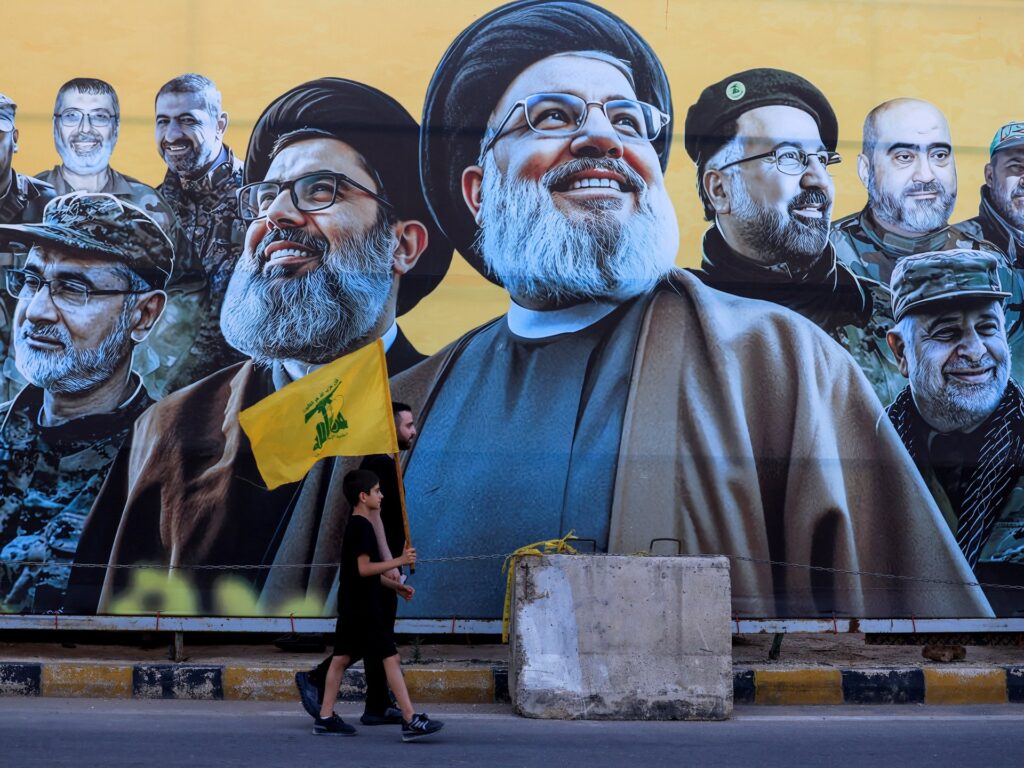
Central to this historic agreement is the cessation of warfare impacting Lebanon, a country that has long been embroiled in regional strife linked to the greater Iran conflict. The agreement promises to bring peace to Lebanon by halting military actions and fostering diplomacy.
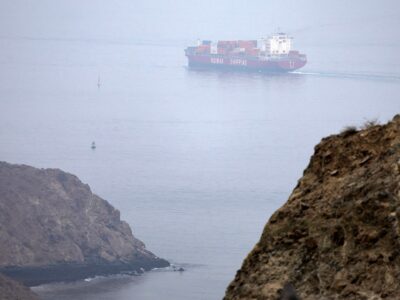
Additionally, the MoU includes provisions to reopen the strategically crucial Strait of Hormuz, a vital maritime passage through which a significant portion of the world’s oil supply is transported. The closure of Hormuz in recent periods had heightened global economic and security concerns, affecting oil prices and international trade.
The reopening of the Strait is expected to bolster regional stability, renew international commerce flows, and ease tensions among global powers reliant on the passage for energy security. The move also signals a willingness by both parties to engage in constructive dialogue and cooperation after years of conflict and sanctions.
Analysts view this development as a breakthrough in Middle East diplomacy. It represents a rare moment of consensus between the United States, represented by Trump, and Iran, through Pezeshkian’s involvement. Experts suggest this deal could pave the way for further negotiations aimed at long-term peace and economic recovery in the region.
The agreement has elicited mixed reactions worldwide. Supporters hail it as a bold and necessary step towards peace and stability, emphasizing the positive impact it could have on regional populations affected by war. Critics remain cautious, questioning the enforceability of the agreement and the capacity of the signatories to uphold their commitments.
International bodies have expressed guarded optimism about the MoU’s potential to reduce conflict. The United Nations has welcomed the news, calling for ongoing efforts to maintain the ceasefire and ensure humanitarian aid reaches affected communities.
The coming months will be critical for the implementation of the agreement’s terms. Both sides have committed to collaborative monitoring to ensure compliance and to resolve any disputes diplomatically.
In summary, the signing of this MoU represents a hopeful turn in the Iran war saga. The end to fighting in Lebanon and the reopening of the Strait of Hormuz are milestones that could lead to a more peaceful and stable Middle East.
As the international community watches closely, the world hopes this accord will be the foundation of a lasting peace and renewed cooperation between former adversaries, signaling that dialogue and diplomacy can still prevail in times of conflict.