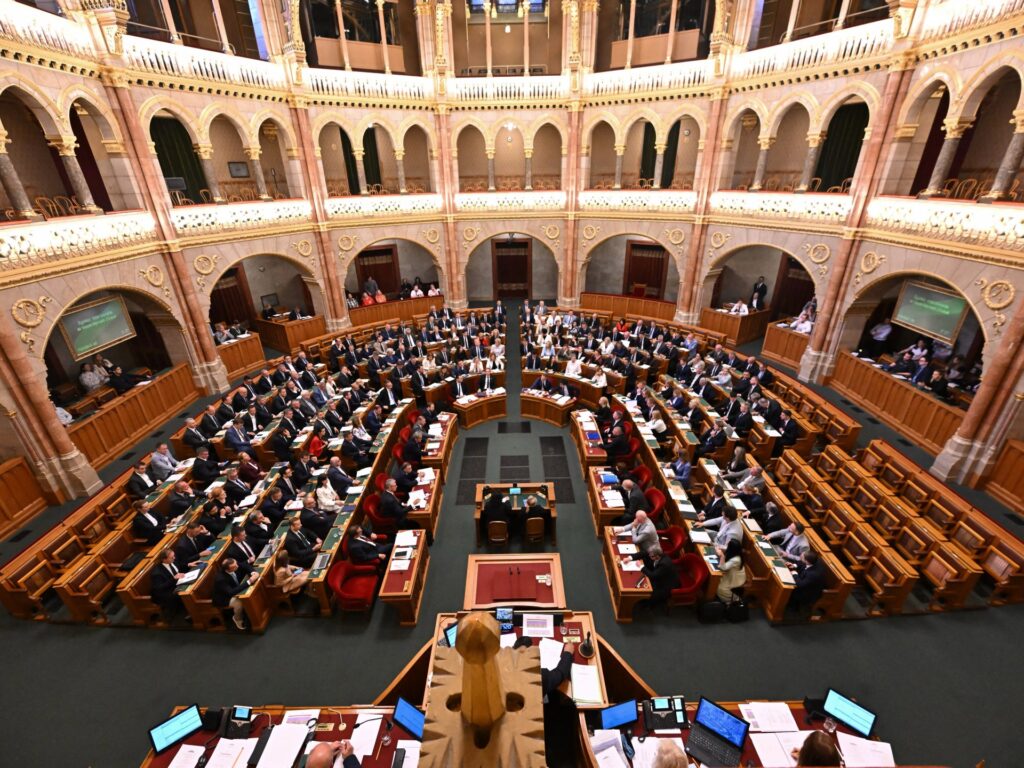
In a significant political development, Hungarian Members of Parliament have approved a reform introduced by Prime Minister Peter Magyar designed to limit governmental powers and prevent the potential return of former Prime Minister Viktor Orbán. This reform marks one of the first major legislative actions by PM Magyar as he seeks to reorient Hungary back towards the European Union mainstream.
The move comes amid growing concerns over the political influence and policies of Viktor Orbán, who has been a dominant figure in Hungary’s political landscape for over a decade. Orbán’s tenure has often been criticized by European Union institutions for undermining democratic norms and curtailing judicial independence.
The reform passed by Parliament introduces a series of checks and balances intended to curb the concentration of executive power. These measures are expected to enhance the transparency and accountability of government actions, ensuring that no individual or faction can easily dominate the political system.
PM Peter Magyar, who assumed office with a mandate to restore Hungary’s standing within the EU, has emphasized the importance of democratic values, rule of law, and alignment with European standards. His government’s legislative agenda signals a clear break from the previous administration’s policies.
Key aspects of the reform include stricter oversight of executive decisions, enhanced parliamentary scrutiny, and limitations on emergency powers that could be exploited to bypass normal legislative processes. By enacting these changes, the government aims to protect democratic institutions and prevent authoritarian tendencies.
The reform has received mixed reactions domestically. Supporters argue that it is a necessary step to heal divisions in Hungarian society and rebuild trust in political institutions. Critics, including some supporters of Orbán, claim the measures are politically motivated and designed to sideline opposition voices.
Internationally, the European Union has welcomed the reform as a positive sign of Hungary’s commitment to democratic principles and rule of law. EU officials have repeatedly expressed hopes that Hungary will return to full compliance with EU standards, which is crucial for the country’s continued economic and political cooperation within the bloc.
This political shift under PM Magyar represents a pivotal moment for Hungary. After years of tension and controversy over governance issues, the approved reform could signify a new chapter focused on transparency, democracy, and integration with Europe.
The Hungarian government has pledged to continue pursuing reforms that strengthen democratic institutions and foster a culture of openness and inclusivity. Analysts note that maintaining these reforms will require vigilant enforcement and broad political consensus.
As Hungary navigates this transition, many eyes will be on the country’s political landscape to see how effectively these reforms translate into lasting change. The coming months are expected to be critical in determining whether Hungary can fully reintegrate into the EU mainstream and establish a more balanced and accountable political system.
In conclusion, the approval of PM Peter Magyar’s reform to limit executive power and block any resurgence of Viktor Orbán signals a notable effort to redirect Hungary’s political trajectory. This development carries significant implications for Hungary’s domestic politics and its relationship with the European Union, potentially setting the stage for a more democratic and collaborative future.