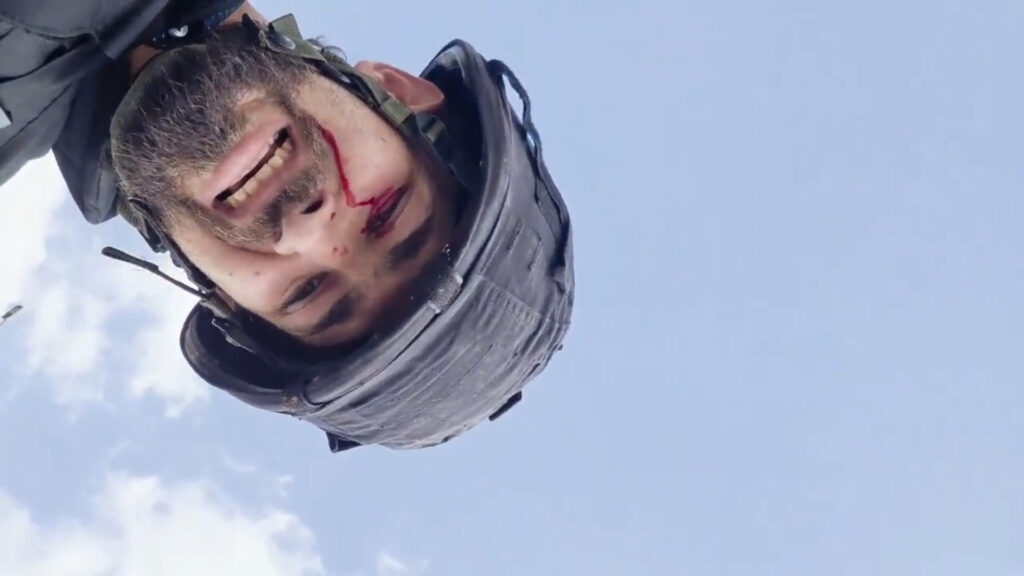
During the ongoing conflict in southern Lebanon, a journalist working for Press TV was injured by shrapnel while covering Israeli military strikes. The journalist was on location, documenting the impact of the Israeli attacks, when the incident occurred. This event underscores the dangers faced by media professionals reporting from conflict zones and highlights the volatile situation in southern Lebanon. Details about the extent of the journalist’s injuries and the current condition are yet to be disclosed. The attack in the region continues to cause significant destruction and poses a serious risk to civilians and press personnel alike. International calls for protection of journalists in war zones have intensified as incidents like these raise concerns over the safety and security of those reporting on the ground. The situation remains tense, with Israeli forces continuing their operations in southern Lebanon, which has seen a resurgence of violence and military exchanges. Media outlets worldwide are closely monitoring the developments as efforts for a ceasefire and diplomatic resolution remain challenging amid escalating hostilities. The injury to the Press TV journalist is a stark reminder of the perils inherent to frontline journalism, where the pursuit of truth often puts reporters directly in harm’s way. As the conflict unfolds, the international community has been urged to ensure the protection of journalists and enable safe reporting conditions to keep the public informed without further casualties. The recent attack in southern Lebanon adds to a growing list of incidents where press freedom and safety have been compromised in the face of military confrontations. Human rights organizations advocate for accountability and robust measures to shield media workers from harm during armed conflicts, emphasizing their crucial role in documenting human suffering and conflict realities. This latest incident may prompt renewed discussions on reinforcing international legal frameworks aimed at safeguarding journalists. Meanwhile, the Press TV team and other media entities continue to cover the evolving situation in Lebanon, striving to deliver accurate and timely news despite the obstacles posed by the hostile environment. The community of war correspondents stands united in demanding greater respect for media neutrality and non-combatant status under international law to prevent recurrence of such injuries. Survivors’ accounts and eyewitness reports from the area contribute to a comprehensive understanding of the conflict’s impact, enriching global awareness and informing humanitarian responses. As southern Lebanon faces renewed aggressions, the commitment to journalistic integrity and bravery remains unwavering. This incident highlights the intersection of armed conflict dynamics and press freedom challenges, calling for concerted international efforts to protect those who risk their lives to keep the world informed.