In recent developments concerning international conflicts and diplomatic relations, significant movements have been reported involving the United States, Iran, Israel, Lebanon, and the United Kingdom.
Firstly, the United States and Iran have reportedly indicated that a deal is within reach, signaling potential progress towards resolving ongoing tensions between the two nations. This prospective agreement could mark a pivotal moment in diplomatic efforts aimed at de-escalating hostilities and fostering peace in the region.
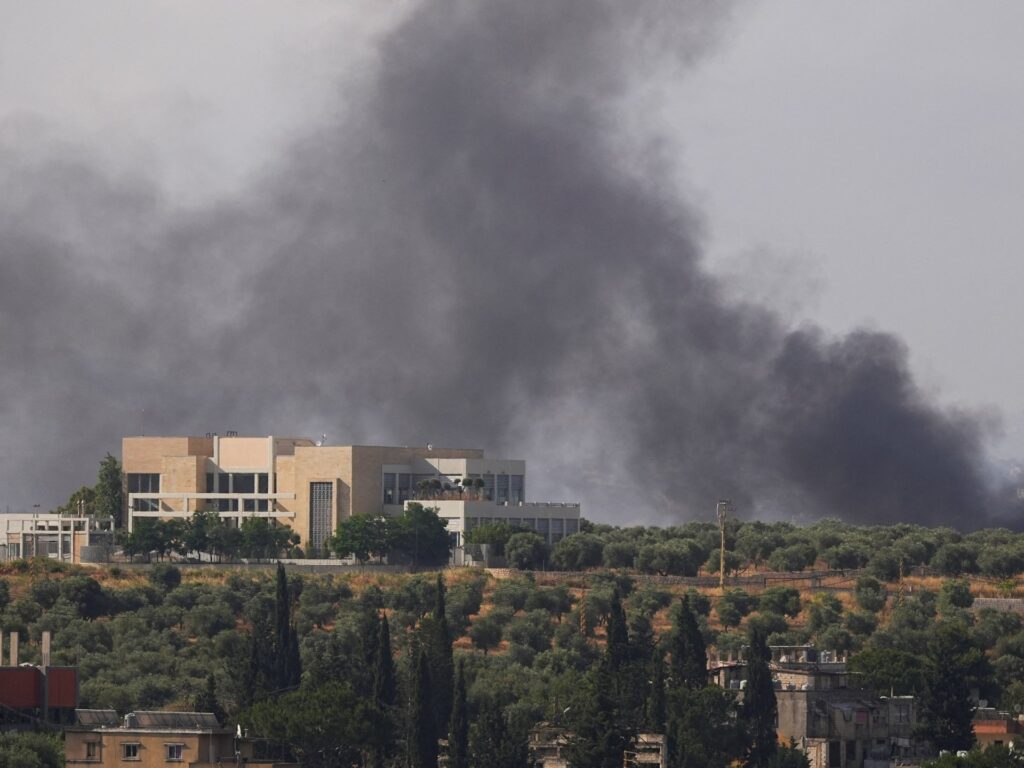
Concurrently, the situation in the Middle East continues to be volatile. Israel has conducted bombing operations in Lebanon, reflecting ongoing security concerns and retaliatory actions in the complex geopolitical landscape of the area. These airstrikes emphasize the persistent state of conflict and the fragile nature of regional stability.
In a related but geographically distant development, a British court has sentenced four activists affiliated with Palestine Action to jail. These activists were involved in a protest raid against an Israeli arms company operating in the UK. The sentencing underscores international dimensions of the Israeli-Palestinian conflict, highlighting how activism and political dissent manifest beyond the immediate conflict zones.
These events collectively paint a picture of an interconnected global environment where diplomatic negotiations, military actions, and activist movements continuously influence each other. The US-Iran signals of a deal suggest the possibility of easing tensions through dialogue, while Israel’s military actions in Lebanon and the UK court’s rulings on protestors illustrate the ongoing struggles and complexities underlying regional conflicts and international solidarity efforts.
Analysts suggest that if the US and Iran reach an agreement, it could pave the way for reduced hostilities and renewed diplomatic engagement in the Middle East. However, the continuation of military operations by Israel in neighboring Lebanon indicates that peace remains elusive, with security concerns still paramount.
The jailing of the Palestinian activists in the UK also raises important questions about the role of civil society in influencing government policies and international relations. It demonstrates how grassroots activism is met with legal and political responses, reflecting broader tensions within democratic societies regarding freedom of expression and political protest.
As these events unfold, the international community remains attentive to how these different threads will evolve. Whether through diplomacy, military strategies, or social activism, the outcomes will significantly impact not only the involved countries but also the broader quest for peace and justice in the region and worldwide.
In summary, the current landscape is marked by hopeful diplomatic signals between the US and Iran, ongoing military conflict involving Israel and Lebanon, and active civil resistance expressed through protests and judicial follow-ups in the UK. These developments underscore the complexity of achieving lasting peace and highlight the multifaceted nature of modern international relations.