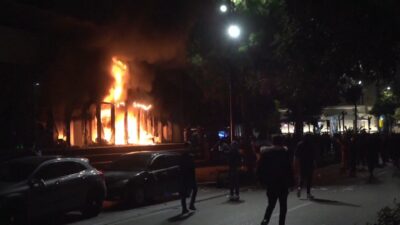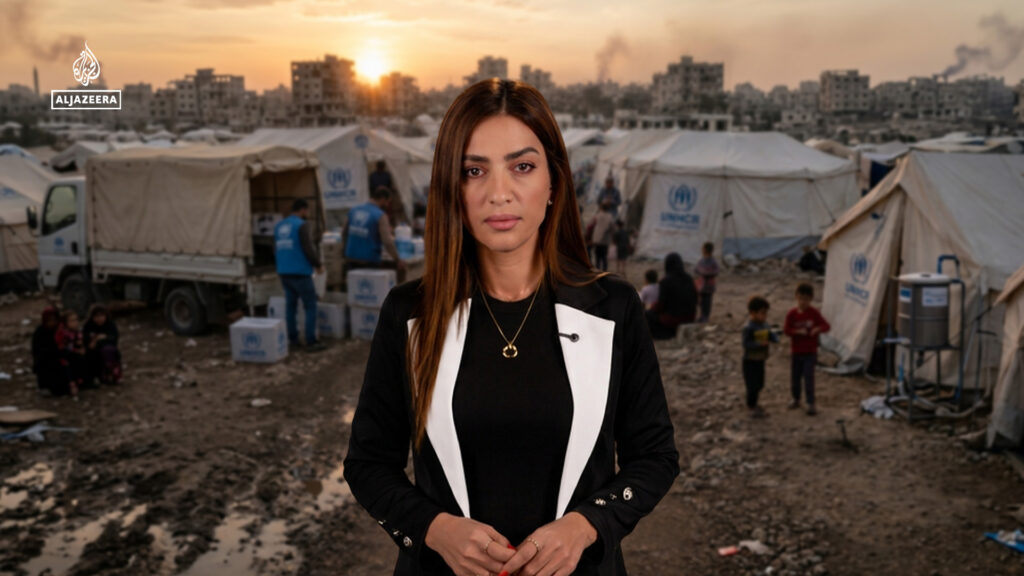
A recent report by the United Nations High Commissioner for Refugees (UNHCR) has highlighted a staggering humanitarian crisis, revealing that by the end of 2025, approximately 117.8 million people worldwide had been forcibly displaced. Among these millions are victims of the ongoing conflict in Lebanon, underscoring the severe impact of war and turmoil in the region.
The UNHCR’s report presents a comprehensive overview of displacement globally, showing an alarming increase in forced migration due to conflicts, persecution, human rights violations, and environmental disasters. This marks one of the highest numbers recorded in recent history, reflecting the deepening challenges faced by vulnerable populations.
Lebanon, a country that has experienced prolonged conflict and instability, contributes significantly to this global figure. The war and crisis in Lebanon have led to massive displacement within and beyond its borders, leaving thousands of families uprooted, seeking safety and essential humanitarian aid.
The report emphasizes that the drivers of displacement are complex and multifaceted. In Lebanon, political instability, sectarian violence, and economic collapse have combined to exacerbate the plight of displaced peoples. Many have fled their homes to escape violence, destruction, and the deterioration of living conditions.
Globally, the displaced population includes refugees, asylum seekers, and internally displaced persons (IDPs). Refugees are those who have crossed international borders for safety, while IDPs are people forced from their homes but who remain within their country. Lebanon hosts a significant number of refugees, including those from neighboring Syria, adding further strain to its resources and infrastructure.
The displacement crisis has wide-reaching implications on social, economic, and security aspects both for the host countries and the displaced themselves. It poses enormous challenges to governments, humanitarian organizations, and international communities striving to provide assistance and promote durable solutions.
Humanitarian agencies, including UNHCR, are working tirelessly to provide shelter, food, healthcare, and legal assistance to displaced populations. However, escalating crises and limited resources continually challenge these efforts.
Experts call for greater international cooperation and support to address the root causes of displacement and to enhance protective frameworks for victims. Strengthening peace efforts, promoting social cohesion, and investing in economic recovery are seen as critical steps toward mitigating forced displacement.
For Lebanon, the path forward involves not only managing the humanitarian emergency but also addressing systemic issues that fuel instability. International solidarity and sustained aid will be crucial to support displaced communities and to foster long-term peace and development.
The UNHCR report serves as a stark reminder of the human cost of conflict and displacement worldwide. It highlights the urgent need for comprehensive strategies and shared responsibility to alleviate suffering and build a more resilient and inclusive future for all displaced persons, including those affected by the tragic war in Lebanon.