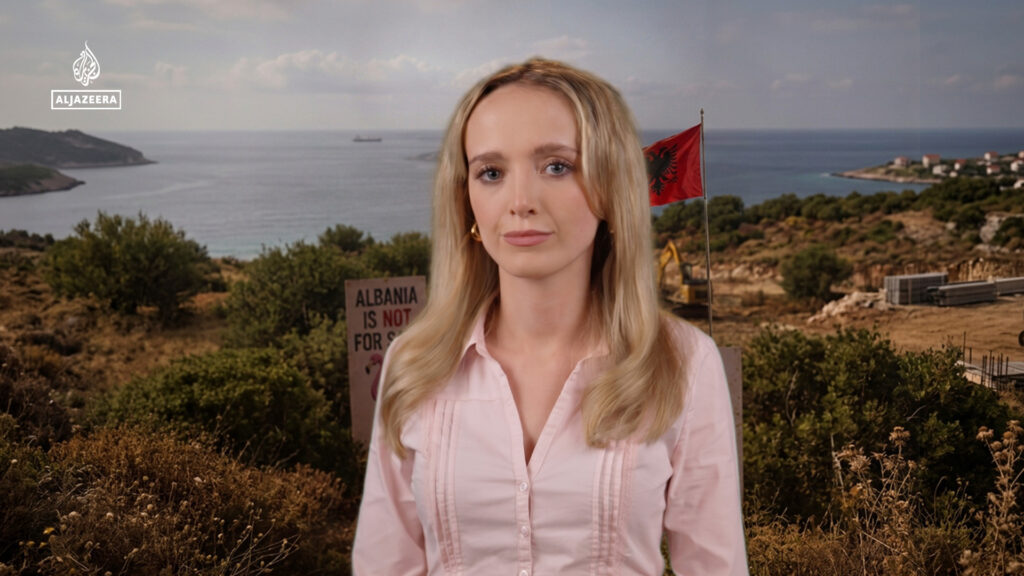
In recent years, a luxury resort connected to Jared Kushner, former senior advisor to U.S. President Donald Trump and his son-in-law, has become a major point of contention in Albania. The controversy surrounding the resort has sparked widespread protests across the country, highlighting deep concerns among Albanians about foreign investments, environmental impact, and governance.
The resort is part of a broader development project in Albania, aimed at boosting tourism and economic growth by attracting wealthy international visitors. Kushner’s involvement has drawn significant attention due to his high-profile political connections and the implications such investments have on Albania’s sovereignty and economic future.
Critics argue that the project symbolizes the unchecked influence of powerful foreign figures in Albania’s local affairs, potentially sidelining the interests of the Albanian people. Many locals see the resort as emblematic of broader issues of corruption, lack of transparency, and environmental degradation, which they fear may accompany rapid development without adequate oversight.
Environmental activists have voiced strong opposition, emphasizing that the construction and operation of the resort threaten the fragile coastal ecosystems and the natural beauty of the region. Concerns include habitat destruction, pollution, and strain on local resources, which could have lasting negative effects on biodiversity and the livelihoods of communities dependent on fishing and agriculture.
Protesters have demonstrated in various Albanian cities, demanding more government accountability and a thorough reassessment of development projects linked to foreign investors. They seek assurances that the economic benefits of tourism development will be equitably shared with local communities and that environmental safeguards will be strictly enforced.
The government of Albania has defended the project, stating that it is a significant opportunity to modernize infrastructure, increase employment, and attract international capital. Officials claim that all necessary permits were obtained legally and that environmental regulations are being upheld.
Nonetheless, the protests underscore a deep mistrust between parts of the Albanian population and their political leaders, exacerbated by suspicions about the influence of powerful overseas stakeholders like Kushner. The situation reflects broader tensions seen in many countries where globalization and foreign investments intersect with local governance and environmental protection.
The Kushner-linked resort controversy is more than just a localized dispute; it is a microcosm of global debates about development, sovereignty, and sustainable growth. It highlights the challenges nations face in balancing economic ambitions with the demands of transparency, environmental stewardship, and the rights of citizens.
As the protests continue, the international community and Albanian authorities are under pressure to find a sustainable path forward that respects both economic development and the preservation of Albania’s natural and social heritage. How this situation evolves will likely have lasting implications for Albania’s political landscape and its role in the international arena.