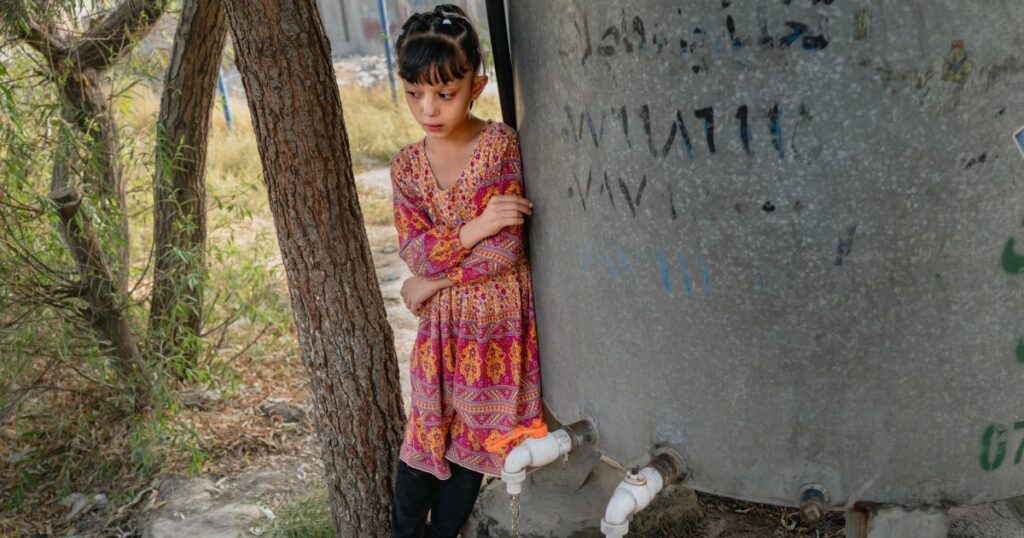
Afghanistan is facing a severe healthcare crisis that has plunged 3.7 million children into acute malnutrition, according to recent reports by Save the Children. The dramatic increase in malnourished children correlates strongly with widespread clinic closures across the country as international funding for healthcare has plummeted in recent years.
Healthcare infrastructure in Afghanistan has long been fragile, but the withdrawal and reduction of funding from international donors have compounded the challenges. Many clinics that operated in rural and urban areas have been forced to close their doors due to a lack of resources, medical supplies, and personnel. This has deprived millions of Afghan children of essential medical care, including nutritional support.
Save the Children highlights that one in ten children in Afghanistan is suffering from acute malnutrition, a condition that severely undermines their physical and mental development, and can be fatal if untreated. Clinics often provided therapeutic feeding programs critical to treating severe acute malnutrition, but with closures, these essential services have become inaccessible to many families.
The crisis extends beyond just malnutrition. The closure of healthcare facilities affects vaccinations, maternal care, disease prevention, and treatment of other illnesses that disproportionately impact children and mothers. Without access to basic health services, mortality rates among children are increasing, exacerbating an already dire humanitarian situation.
Several factors have contributed to the funding crisis. Political instability following the change in government in 2021 led many international donors to reassess and reduce their financial commitments to Afghanistan’s health sector. Sanctions and banking restrictions have further complicated the flow of funds and supplies into the country.
The ongoing economic downturn in Afghanistan has also played a role, with many families unable to afford nutritious food or healthcare even where services are available. Poverty, insecurity, and displacement have all fueled the health emergency.
The closure of clinics has put additional pressure on the remaining operational facilities, which are struggling to cope with increased patient demand alongside limited medical staff and resources. Health workers that remain face daunting challenges, including lack of salaries and safety concerns.
Save the Children and other humanitarian organizations are calling for urgent international action to restore funding and reopen clinics to prevent further deterioration of child health. They also urge the global community to address barriers to aid delivery, such as bureaucratic obstacles and sanctions.
Immediate increased investment is needed not only to address acute malnutrition but also to rebuild Afghanistan’s collapsing healthcare system and protect the wellbeing of millions of vulnerable children and their families.
The situation in Afghanistan illustrates how the convergence of political upheaval, economic hardship, and loss of healthcare access can trigger a public health catastrophe, with children paying the highest price. Global solidarity and swift response efforts are critical to reversing these alarming trends and ensuring Afghan children can survive and thrive in the years ahead.