The World Cup 2026, hosted by the United States, Canada, and Mexico, is set to be one of the most exciting and widely watched tournaments in history. Football fans across the globe, especially those in Europe, the Middle East, and Africa (EMEA), are eager to know the exact times they can watch the matches live. With the tournament spread across three countries in North America, time zone differences could affect the match schedules for viewers in EMEA regions.
The tournament will feature matches starting from early June 2026 and will run for about a month, culminating in the final match in mid-July. Given that the matches are hosted in North American time zones, fans in Europe, the Middle East, and Africa can expect games to air mostly during their late evening and night hours.
Time Zone Impact:
– The United States has multiple time zones ranging from Eastern Daylight Time (EDT, UTC-4) to Pacific Daylight Time (PDT, UTC-7).
– Canada and Mexico also span several time zones, similar to the US, affecting when matches will be broadcast.
For European fans (covering UTC+0 to UTC+3), matches played in the afternoon or evening local time in North America will typically air late at night or early in the morning. For instance, a match played at 8:00 PM EDT in New York will be seen at 1:00 AM in London (UTC+1 during summer daylight savings) and 3:00 AM in Eastern European Time (UTC+3).
In the Middle East (typically UTC+2 to UTC+4), matches will often air between midnight and dawn, depending on the local time zone. African viewers, spanning from UTC to UTC+4, will experience similar timings to Europe and the Middle East—late night to early morning broadcasts.
Key Viewing Times:
– Evening matches (around 7:00 PM EDT) will generally air between midnight and 3:00 AM in most EMEA regions.
– Afternoon matches (around 1:00 PM EDT) will air early in the morning, between 6:00 AM and 9:00 AM local time.
Preparation Tips for Fans:
– Plan schedules in advance to enjoy live broadcasts.
– Use digital TV guides and official FIFA apps, which will reflect localized start times.
– Consider time-shift options like DVR recording or streaming services offering match replays.
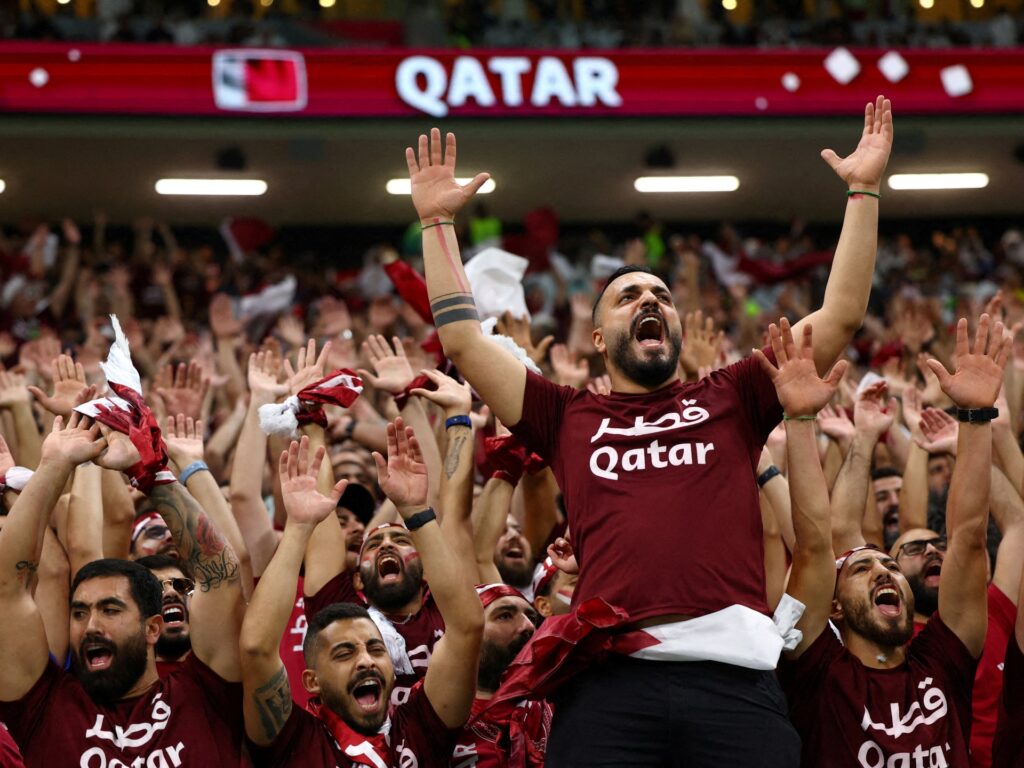
Despite inconvenient hours, the World Cup traditionally attracts passionate viewers worldwide who make time to support their teams. Fans from Europe, the Middle East, and Africa will find ways to catch all the thrilling action, from group stages to the final showdown.
Stay tuned to official FIFA channels and local broadcasters for the precise match timings as they are confirmed closer to the event. The World Cup 2026 promises to unite football lovers across continents, transcending time zones and distances to celebrate the beautiful game.