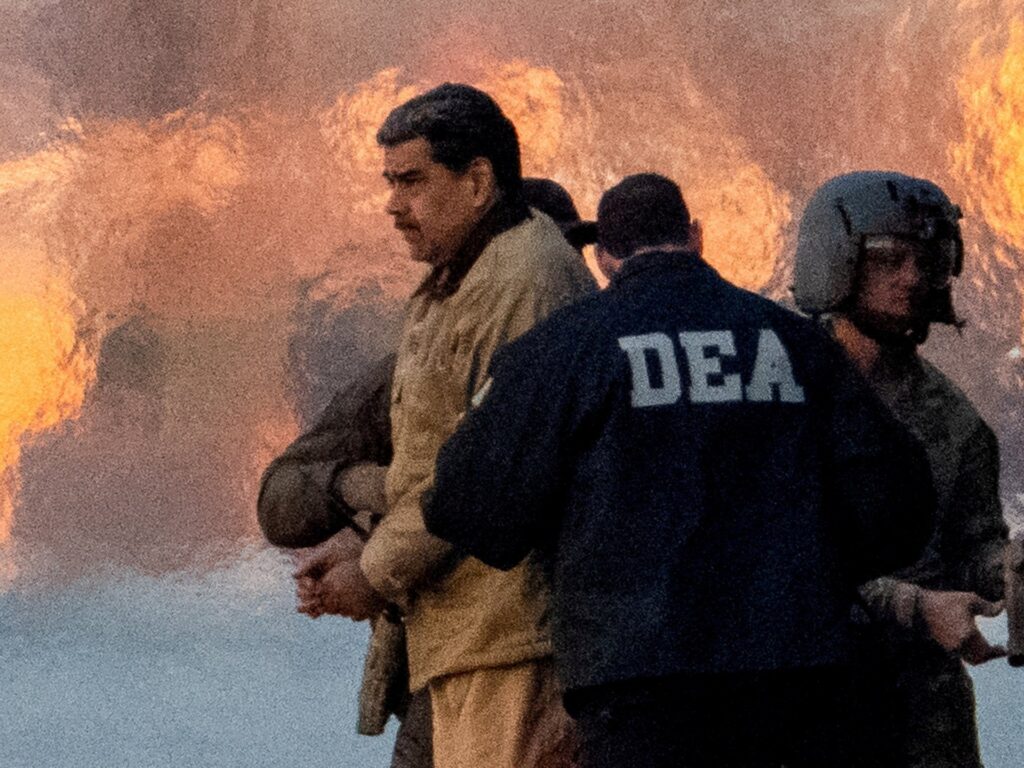
In a dramatic escalation of tensions between Venezuela and the United States, former Venezuelan leader Nicolás Maduro has formally asserted diplomatic immunity in a U.S. court and requested the dismissal of ongoing charges against him. This legal move comes amid heightened political and diplomatic strife following an alleged military attack on Caracas in January, during which Maduro claims he was abducted by U.S. forces.
The incident, marked by a sudden and forceful incursion into Venezuela’s capital, has spawned considerable controversy and condemnation from Caracas, which described the attack as a breach of sovereignty and an illegal act of aggression. Maduro, who has long been a polarizing figure in international politics, emphasized that his immunity should protect him from prosecution as a former head of state.
According to Maduro’s legal team, the charges filed against him in the United States are baseless and politically motivated, aimed at undermining Venezuela’s government and destabilizing the region further. The specific allegations have not been detailed publicly, but sources indicate they pertain to accusations of corruption and illicit financial transactions.
The assertion of immunity in court is backed by international legal principles which often shield former leaders from foreign jurisdictions, especially when actions fall within a scope tied to their official duties. Maduro’s defense argues that the U.S. court lacks jurisdiction and that the proper course of action is to dismiss the case entirely.
This development has sparked a renewed wave of diplomatic exchanges, with Venezuela demanding respect for its sovereignty and the immediate withdrawal of any hostile postures or interventions. U.S. officials, on the other hand, have maintained their stance on enforcing laws applicable to all individuals and expressed commitment to pursuing justice.
The controversy reflects the broader, enduring geopolitical conflict over influence in Latin America, where Venezuela’s political crises and economic struggles have drawn international attention and intervention. As Maduro pushes back with legal arguments and diplomatic rhetoric, the situation remains volatile, with potential ramifications for regional stability and international law.
Observers note that the legal proceedings could set important precedents regarding the treatment of former heads of state accused of crimes abroad. They also underscore the complexity of international relations where legal, political, and military dimensions intersect.
In conclusion, Nicolás Maduro’s assertion of immunity in the U.S. legal system is a pivotal moment in a saga marked by aggression claims, sovereignty disputes, and the ongoing struggle for control and legitimacy in Venezuela. The outcome of the court’s decision on dismissing charges could reverberate far beyond the legal sphere, influencing diplomatic ties and power dynamics in the Americas.