Tensions between the United States and Iran have escalated sharply following a series of deadly strikes in Iran that have claimed at least 18 lives. The situation has drawn international attention and condemnation, with Tehran describing the attacks, including one on a wedding party, as war crimes.
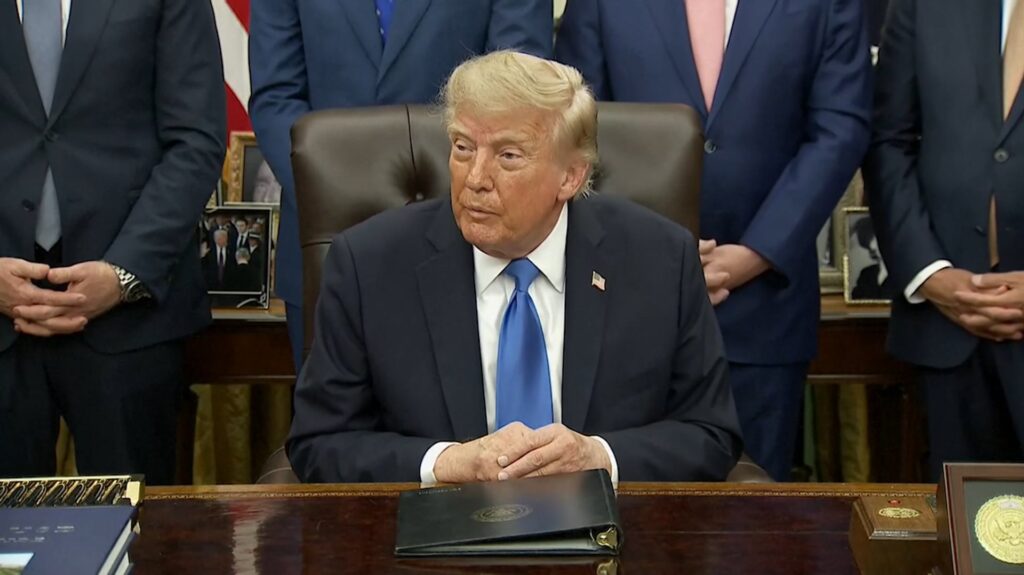
President Donald Trump has issued a clear and forceful warning, stating that the United States has the capability to strike Iran “anytime we want,” signaling a potential increase in military action. This rhetoric comes in the wake of recent violence that has intensified hostilities in the region.
According to reports from Iranian officials, the strikes have targeted multiple locations, resulting in widespread casualties and sparking outrage among the Iranian population and government. The attack on a wedding party, in particular, has drawn significant condemnation, with many labeling it a violation of international law and a war crime due to the innocent civilians involved.
This surge in violence is part of a broader context of deteriorating relations between the two countries, dating back years and involving various geopolitical and security issues. The recent events have revitalized fears of a larger conflict that could destabilize the Middle East and have global ramifications.
In response to the strikes and the president’s statements, international leaders and organizations have called for restraint and dialogue to prevent further escalation. The United Nations and various human rights organizations have urged both sides to respect human life and adhere to international norms and laws.
The US government’s stance remains firm, with Trump emphasizing America’s military strength and readiness to act, which some analysts interpret as a strategy to deter Iran from further provocative actions. However, critics argue that such threats risk igniting a broader conflict that could claim many more lives.
Iran’s leadership has vowed retaliation and condemned the strikes as unprovoked aggression. Demonstrations and mourning have been reported across Iran, reflecting deep anger and grief among the populace.
The international community continues to monitor the situation closely, with many hoping for a diplomatic resolution to avert a full-scale war. The next few days are seen as critical in determining whether tensions will ease or spiral further out of control.
As the death toll rises and rhetoric intensifies, the global focus remains on the volatile region, hoping for peace and stability in an area long plagued by conflict. The unfolding events underscore the urgent need for dialogue and de-escalation to prevent further loss of life and regional destabilization.