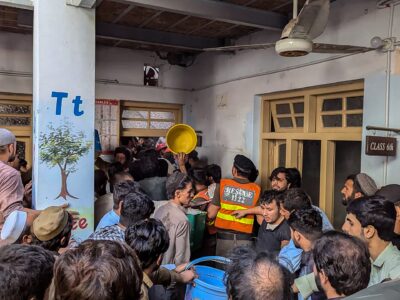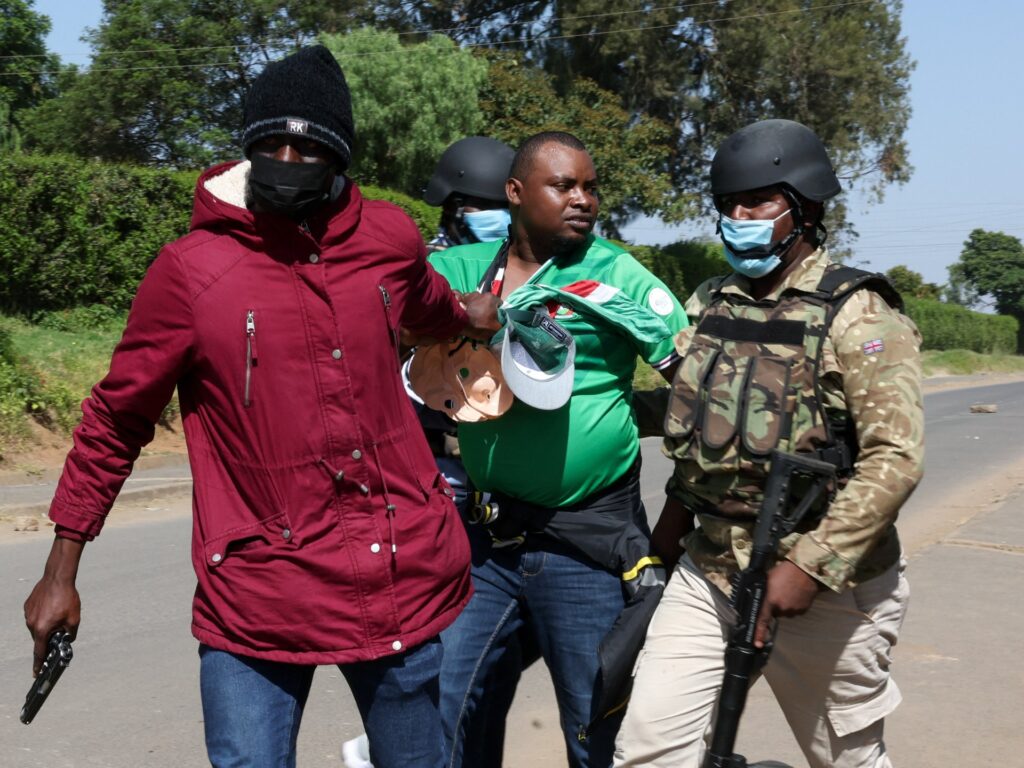
Tensions have escalated in Kenya amid widespread protests sparked by the establishment of a US-operated Ebola quarantine centre in Nanyuki, a town in central Kenya. Residents and activists have voiced strong opposition, accusing the United States of imposing unnecessary health risks on local populations by situating the facility in their community.
The controversy began when plans for the quarantine centre were announced, intended to house individuals potentially exposed to the Ebola virus. This facility is part of the US government’s efforts to contain Ebola outbreaks and prevent international spread. However, many Kenyans in Nanyuki feel the presence of the centre puts them directly at risk for a deadly disease.
Local leaders and protestors have argued that the quarantine centre was established without adequate consultation with the community and without transparent communication regarding safety protocols. They fear that any accidental outbreak or containment failure could have dire consequences for the local population.
The protests have manifested in public demonstrations, road blockades, and vocal condemnations on social media platforms, calling on both the Kenyan government and US authorities to reconsider the centre’s location. Protesters demand the centre be relocated far from residential areas or, alternatively, that thorough guarantees and safety measures be made public.
Kenyan government officials have reiterated their commitment to public safety, affirming that the facility follows international health standards supervised by both countries’ health ministries. They stress that the quarantine centre is essential to quickly isolate and manage any suspected Ebola cases detected in or arriving through Kenya.
US Embassy representatives stated that the centre aims primarily to protect regional health and prevent a wider Ebola outbreak by isolating potential cases swiftly. They emphasized that stringent health and safety measures have been implemented to prevent any risks to the Nanyuki community.
Despite these assurances, mistrust persists due to historical concerns over the presence of foreign-operated health facilities and fears of inadequate protection for local communities. Activists highlight the need for more significant involvement of Kenyan public health experts and continuous transparent communication to build confidence.
The situation in Nanyuki underscores a broader challenge faced by many countries balancing international health cooperation with local community concerns, especially when handling highly infectious diseases like Ebola. As Kenya continues to work with international partners in managing health risks, this incident reveals the critical importance of community engagement and trust-building in executing effective public health interventions.
For now, the protests show no signs of abating, and dialogue between community representatives, government officials, and US authorities remains crucial to finding an acceptable path forward that safeguards both public health and community wellbeing.