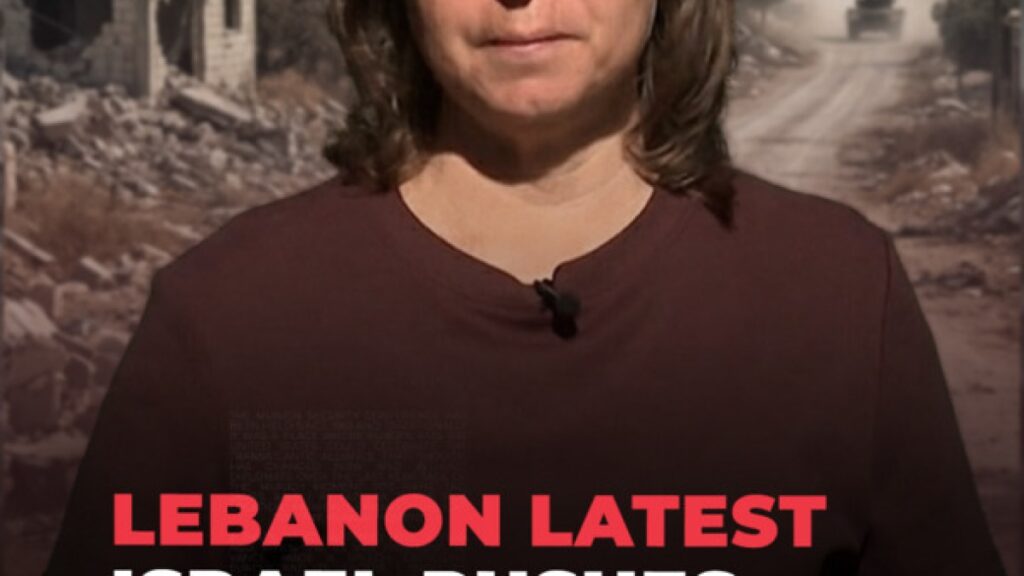
The ongoing conflict in southern Lebanon has entered a new and intense phase as Israeli forces push deeper into the region amid escalating hostilities. The escalation marks a significant development in the long-standing tensions between Israel and Lebanon, particularly tied to the activities of Hezbollah and the broader geopolitical struggles in the area.
Over recent days, Israeli military operations have intensified with increased airstrikes and ground incursions targeting southern Lebanon. The Israeli Defense Forces (IDF) have cited the need to neutralize rocket launch sites and militant positions as justification for these actions. The strikes have reportedly targeted key infrastructure and alleged combatant hideouts, leading to significant damage and casualties.
Southern Lebanon, a region characterized by its rugged terrain and strategic importance, has been a frequent hotspot in the Israel-Lebanon conflict. Hezbollah, a powerful Shiite militant group and political party based in Lebanon, has long been in opposition to Israeli policies and presence. The group’s capability to launch rocket attacks into Israeli territory has been a major driver of the recurring violence.
In response to the Israeli military operations, Hezbollah has escalated its retaliatory rocket attacks into northern Israel, resulting in casualties and damage to civilian areas. The cross-border exchanges of fire have contributed to a deteriorating security situation, raising fears of a broader regional conflict.
The Lebanese government has condemned the Israeli incursions, calling them a violation of Lebanese sovereignty and an act of aggression against its people. The escalation has also sparked concern among international actors, who are urging restraint and calling for dialogue to de-escalate tensions.
Humanitarian concerns are mounting as civilians in southern Lebanon bear the brunt of the conflict. Displacement, damage to homes, and interruptions in essential services such as electricity and water are reported. Aid organizations are facing challenges in accessing affected areas due to ongoing hostilities.
The international community remains watchful and actively engaged. The United Nations has called for an immediate ceasefire and the restoration of calm, emphasizing the need to protect civilians and uphold international law. Various countries have offered to mediate peace talks, although progress remains uncertain amid the current climate of hostility.
This latest crisis underscores the fragile nature of peace in the region and the persistent volatility that characterizes Israel-Lebanon relations. Analysts warn that without effective intervention, the conflict could escalate further, drawing in neighboring countries and exacerbating an already complex geopolitical landscape.
As the situation develops, all eyes remain on southern Lebanon and the actions taken by both Israel and Hezbollah. The coming days will be critical in determining whether a path toward de-escalation and dialogue can be found or if the region will slide further into conflict and instability.