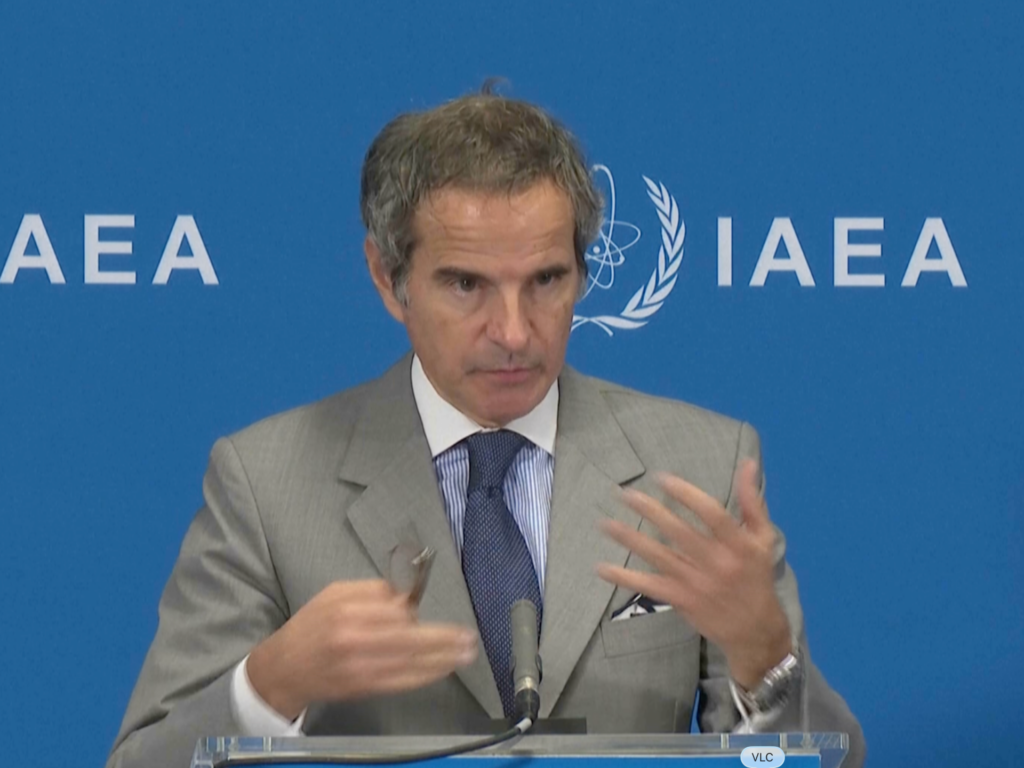
The International Atomic Energy Agency (IAEA) Director General has described the ongoing nuclear negotiations between Iran and the United States as entering a ‘complicated phase.’ This assessment highlights the increasing challenges and complexities that are arising in efforts to revive the 2015 Iran nuclear deal, formally known as the Joint Comprehensive Plan of Action (JCPOA).
The JCPOA, initially agreed upon in 2015, aimed to limit Iran’s nuclear capabilities in exchange for sanctions relief. However, the U.S. withdrawal from the agreement in 2018 under the Trump administration led to heightened tensions and a breakdown in trust between the parties. Since then, resuming these negotiations has become a difficult and intricate process.
According to reports, the latest round of talks has been marked by deep disagreements on key issues, including the extent and timing of sanctions relief, Iran’s uranium enrichment levels, and monitoring and verification mechanisms implemented by the IAEA. Both sides have expressed willingness to continue dialogue but acknowledge that significant hurdles remain.
The IAEA’s role remains crucial as it provides technical expertise and verification of Iran’s nuclear activities to ensure compliance with international obligations. The agency’s chief underscored that while the talks are complicated, diplomatic engagement must persist to prevent further escalation and promote regional and global security.
Experts suggest that resolving the deadlock will require substantial compromises and confidence-building measures. The evolving geopolitical context, including regional tensions and international pressures, also influences the negotiation dynamics.
Stakeholders around the world are closely monitoring the situation, understanding that the outcome of these talks will have wide-reaching implications for nuclear non-proliferation efforts and diplomatic relations in the Middle East.
In conclusion, the IAEA chief’s remarks reflect the delicate nature of the current Iran-US nuclear talks. The international community remains hopeful that through sustained negotiations and mutual understanding, a pathway to reviving an effective and enforceable agreement can be found, thereby enhancing security and stability in the region and beyond.