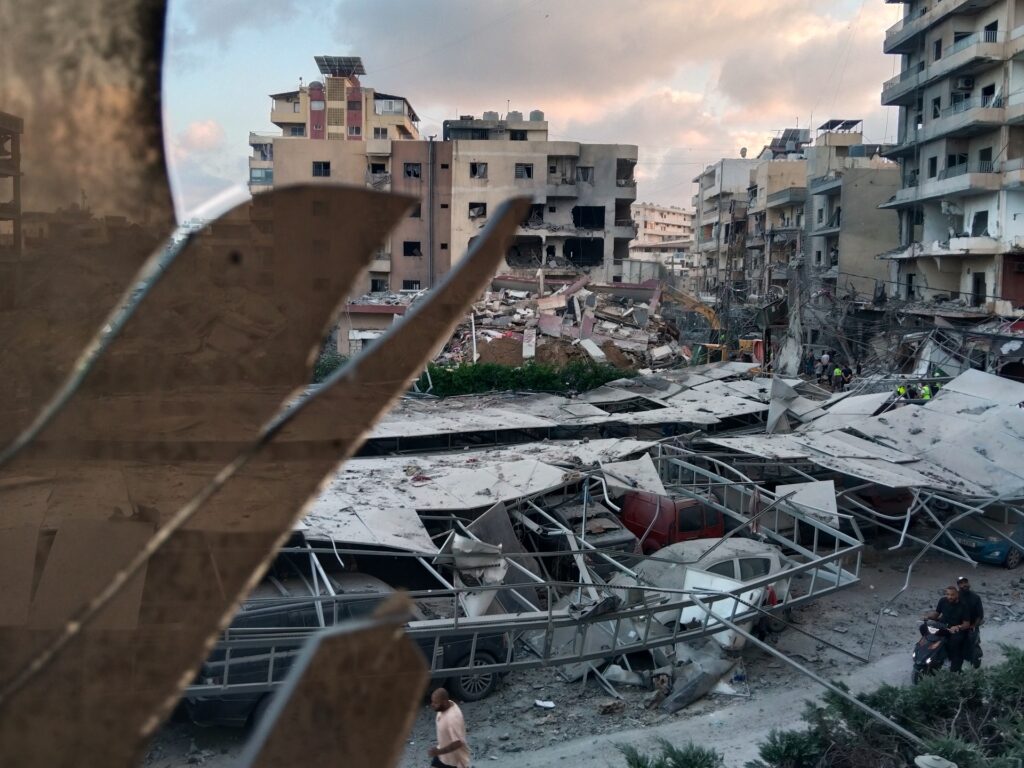
In a recent and severe escalation of violence, Israel launched attacks in Lebanon, resulting in the deaths of eight individuals. This development has raised significant concerns amid previously reported agreements aimed at de-escalating tensions between the two nations. The attacks come shortly after former U.S. President Donald Trump announced a move towards reducing hostilities in the region.
The bloodshed has sparked international alarm and questions regarding the sincerity and viability of the ceasefire efforts. Reports indicate that these fatalities may deride any progress made in peace negotiations, casting a shadow over diplomatic initiatives to stabilize the area.
This latest outbreak of violence underscores the fragile and volatile nature of the conflict between Israel and Lebanon. For years, the two nations have witnessed a turbulent relationship marked by frequent skirmishes and deep-rooted hostilities.
The international community has been closely monitoring the situation, emphasizing the urgent need for dialogue and restraint following Trump’s statement aimed at de-escalation. However, the deadly attacks have threatened to undo diplomatic goodwill, creating skepticism about future peace prospects.
The specific circumstances and motivations behind Israel’s sudden offensive remain unclear, prompting calls for transparency and comprehensive investigation. Lebanese officials have condemned the attacks, labeling them an aggressive violation of sovereignty and an act that escalates regional instability.
In response to the strikes, humanitarian organizations have expressed grave concern for civilians caught in the crossfire, highlighting the dire consequences of renewed conflict in terms of human suffering and displacement.
Observers suggest that the attacks could represent a strategic maneuver to assert dominance or react to perceived threats, though the timing remains puzzling in light of ongoing talks and Trump’s announcement.
The tragic loss of life in Lebanon marks a setback for efforts to achieve lasting peace and underscores the complicated geopolitical dynamics that characterize the Middle East.
As tensions continue to simmer, there is an urgent call for all parties to recommit to dialogue, ceasefire agreements, and peaceful resolution to prevent further bloodshed.
The situation remains fluid, with international leaders urging calm and the restoration of negotiations aimed at long-term stability and security for both Israel and Lebanon.
Efforts by global stakeholders, including the United Nations and regional powers, are now more critical than ever to mediate the conflict and foster an environment conducive to peace.
The community watches with apprehension as the ramifications of these attacks unfold, hopeful that renewed diplomatic engagement can prevent a broader conflict.
Ultimately, the recent violence serves as a stark reminder of the ongoing challenges in achieving peace in a region beset by decades of discord and conflict.”