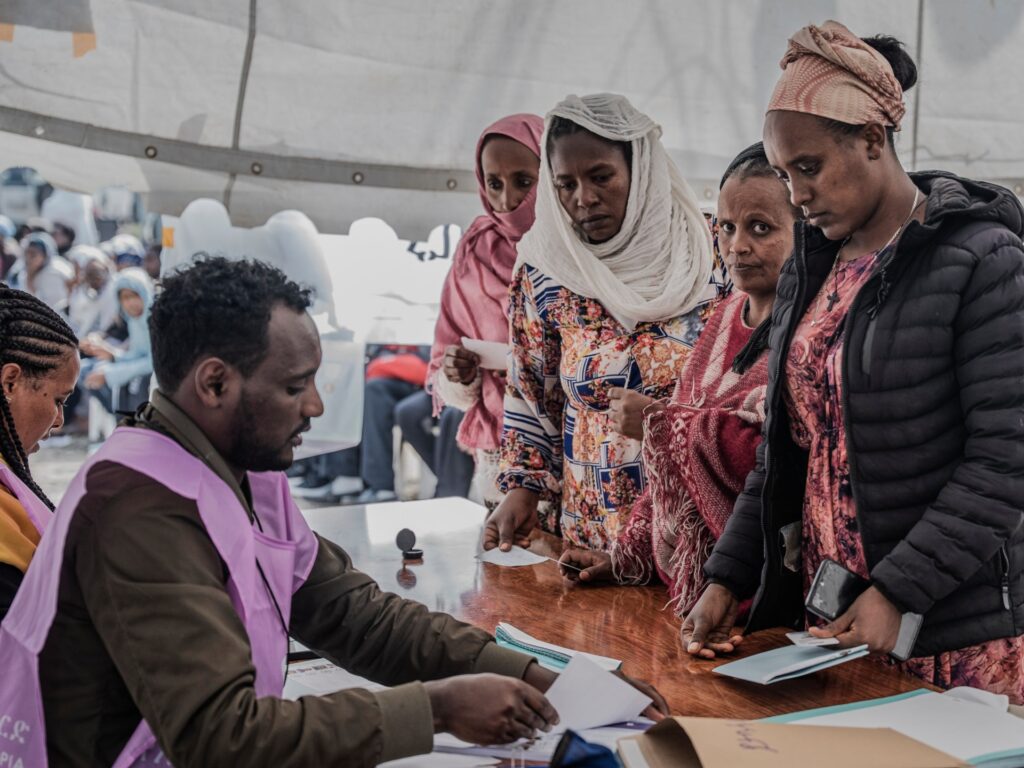
Ethiopia held its national elections amid significant challenges, with Prime Minister Abiy Ahmed’s party widely expected to dominate the political landscape. The elections, which are a pivotal event for the country, faced serious disruptions as voting could not take place in the northern Tigray region and parts of the Amhara region due to ongoing insecurity.
The electoral process, already delayed multiple times, represents an essential test for Ethiopia’s democratic institutions following years of conflict and political turmoil. Prime Minister Abiy’s Prosperity Party is anticipated to secure a substantial victory, consolidating its influence despite the electoral gaps.
The inability to conduct voting in Tigray is tied to the persistent conflict in the area, which has led to humanitarian crises and displaced populations. Similarly, parts of the Amhara region also experienced insecurity, precluding safe and feasible elections. These disruptions reflect the broader challenges Ethiopia faces in achieving national stability and political inclusiveness.
Observers emphasize that while the elections are an important step toward democracy, the exclusion of significant regions raises questions about the representativeness and legitimacy of the process. The government maintains that efforts were made to ensure safe voting where possible and that the elections are a crucial milestone for peace and development.
International reactions have varied, with some praising the commitment to electoral processes under difficult circumstances, and others urging intensified conflict resolution and inclusion of all regions in future political processes.
As Ethiopia navigates its complex political and security landscape, the elections symbolize both progress and the ongoing struggles that continue to shape the country’s future. The results will be closely watched domestically and internationally, highlighting the urgent need for peace, stability, and democratic consolidation in Africa’s second-most populous nation.