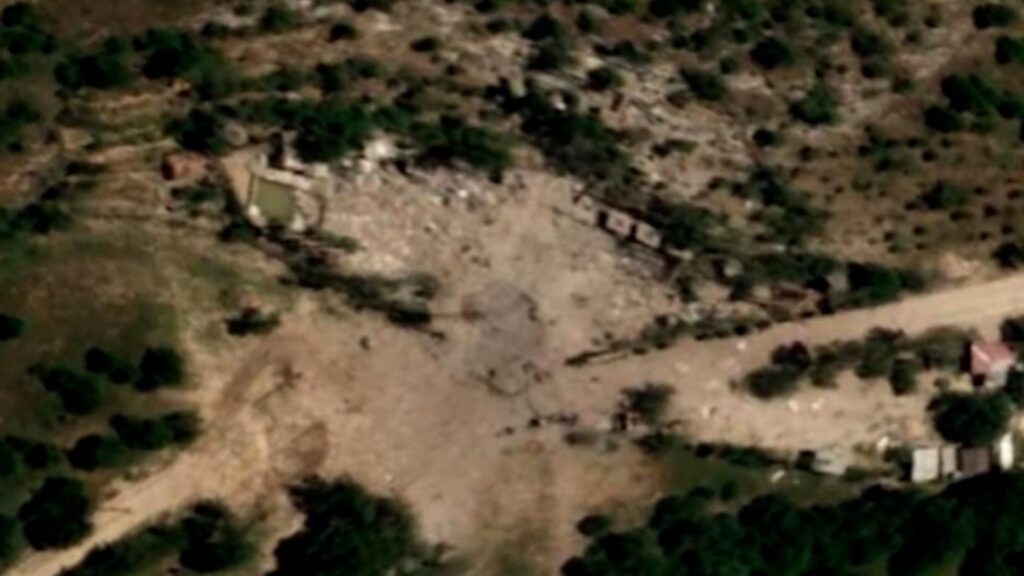
In a recent and devastating event, Israel launched an airstrike that destroyed Arch Almoulouk, a prominent resort and restaurant located in Wadi al-Hujeir, Lebanon. This beloved establishment was owned by the famous Lebanese chef Husen Fayad, known for his culinary excellence and contribution to Lebanese culture and hospitality. Arch Almoulouk was more than just a restaurant; it was a cherished landmark that attracted locals and tourists alike, celebrated for its exquisite cuisine and scenic ambiance.
The destruction of Arch Almoulouk has sent shockwaves through the Lebanese community, mourning the loss of a cultural and social hub. Chef Husen Fayad expressed profound sorrow over the incident, highlighting the impact on his team, patrons, and the local economy. This act not only represents a personal loss for Fayad but also a blow to Lebanon’s tourism and cultural heritage.
The airstrike is part of the ongoing tensions and conflicts in the region, where civilian and cultural sites have frequently been caught in the crossfire. Experts emphasize the importance of preserving cultural landmarks during conflicts, as they embody the history and identity of peoples.
Local and international communities have called for restraint and protection of civilian infrastructure to prevent further cultural and humanitarian damage. Advocacy groups stress that the targeting of such places exacerbates tensions and hampers efforts toward peaceful resolution.
Residents of Wadi al-Hujeir and supporters worldwide are rallying to support Chef Husen Fayad in rebuilding efforts, underscoring the resilience and spirit of the Lebanese people amid adversity. Various initiatives are underway to assist in restoring Arch Almoulouk, aiming to revive its role as a beacon of Lebanese culture and hospitality.
The loss of Arch Almoulouk is a poignant reminder of the far-reaching consequences of conflict, extending beyond immediate human casualties to the erasure of cultural and social landmarks. As the community grapples with this loss, hopes remain high for peace and the restoration of what was destroyed.
This event calls attention to the broader implications of warfare on cultural heritage and the urgent need for international measures to protect such sites. There is a growing consensus that safeguarding cultural landmarks is essential for preserving the identity and history of nations, especially in conflict zones.
In the wake of this tragedy, the spirit of unity and determination among the Lebanese people shines through. Chef Husen Fayad’s legacy, embodied in Arch Almoulouk, continues to inspire efforts toward resilience, cultural preservation, and healing. The world watches as Lebanon endeavors to rebuild and recover from another chapter of destruction.