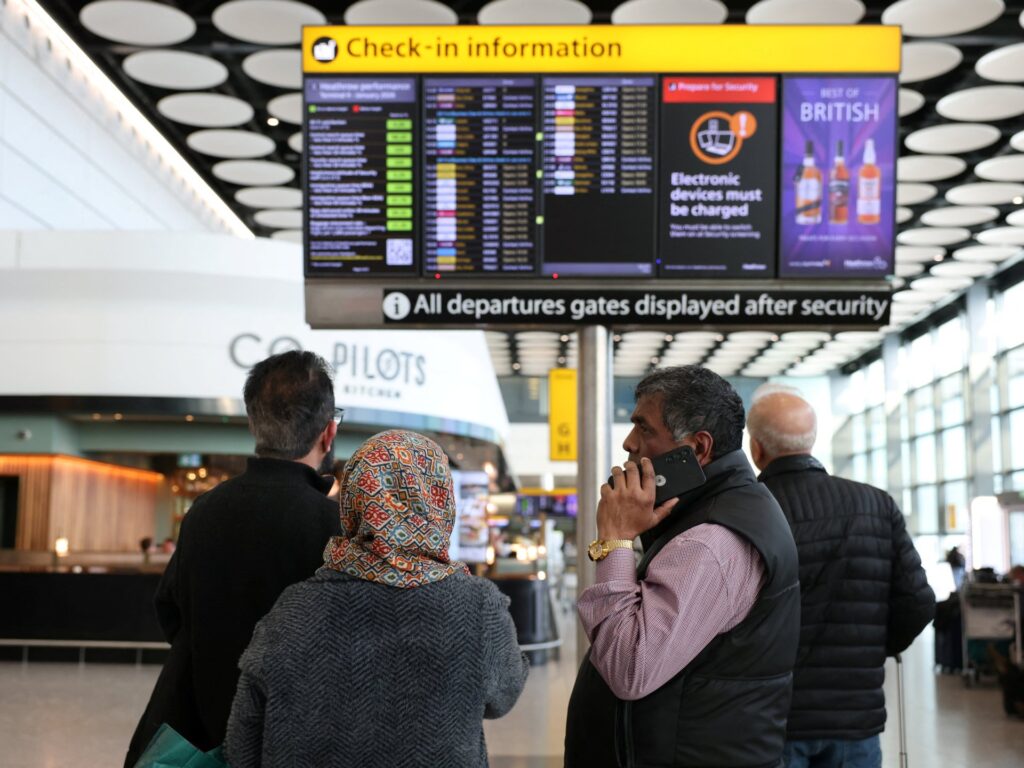
The escalating conflict involving the US and Israel against Iran is significantly altering the travel habits of European holidaymakers this summer. Amid rising tensions in the Middle East, more travelers are opting to stay closer to home rather than embark on trips to distant or high-risk destinations traditionally popular during the summer season.
This shift in travel patterns has been widely noted among tourism operators across Europe. With the Middle East becoming a less attractive option due to safety concerns, countries within Europe have experienced an uptick in domestic and regional tourism. Coastal towns, countryside retreats, and culturally rich cities within Europe are witnessing increased bookings, as holidaymakers prioritize safety and convenience over exotic getaways.
Travel agencies are rapidly responding to this change by adjusting their offerings. Packages highlighting local attractions, short-haul flights to neighboring countries, and flexible booking options are becoming more common. Additionally, many operators emphasize travel insurance that covers geopolitical risks, reflecting the new travel climate.
Airlines have also taken note of the altered demand. Flights to Middle Eastern destinations have seen a noticeable decrease, while routes within Europe or to safer vacation spots have gained popularity. This realignment of travel routes is prompting some carriers to re-evaluate their summer schedules and capacity allocation.
Hotels and resorts within Europe are preparing for an influx of guests by enhancing their facilities and promotional campaigns. Regions previously considered secondary destinations are getting increased attention and investment, aiming to capture the shifting market.
Economically, this change in travel behavior has diverse impacts. While some Middle Eastern tourist sectors face downturns, European domestic economies tied to tourism might see a boost from the redirected spending. However, the overall uncertainty of the geopolitical situation continues to pose challenges for long-term planning in the travel industry.
Consumer sentiment is cautious but adaptive. Many travelers express a desire to enjoy their holidays without foregoing safety. The inclination towards closer, less politically sensitive locales offers a comforting sense of control amidst global unrest.
In conclusion, the ongoing US-Israel conflict with Iran is reshaping Europe’s summer holiday landscape, influencing where and how people choose to travel. Tourism operators, airlines, and local economies must continuously adapt to these evolving dynamics, balancing risk management with the desire to serve travelers’ needs during uncertain times.