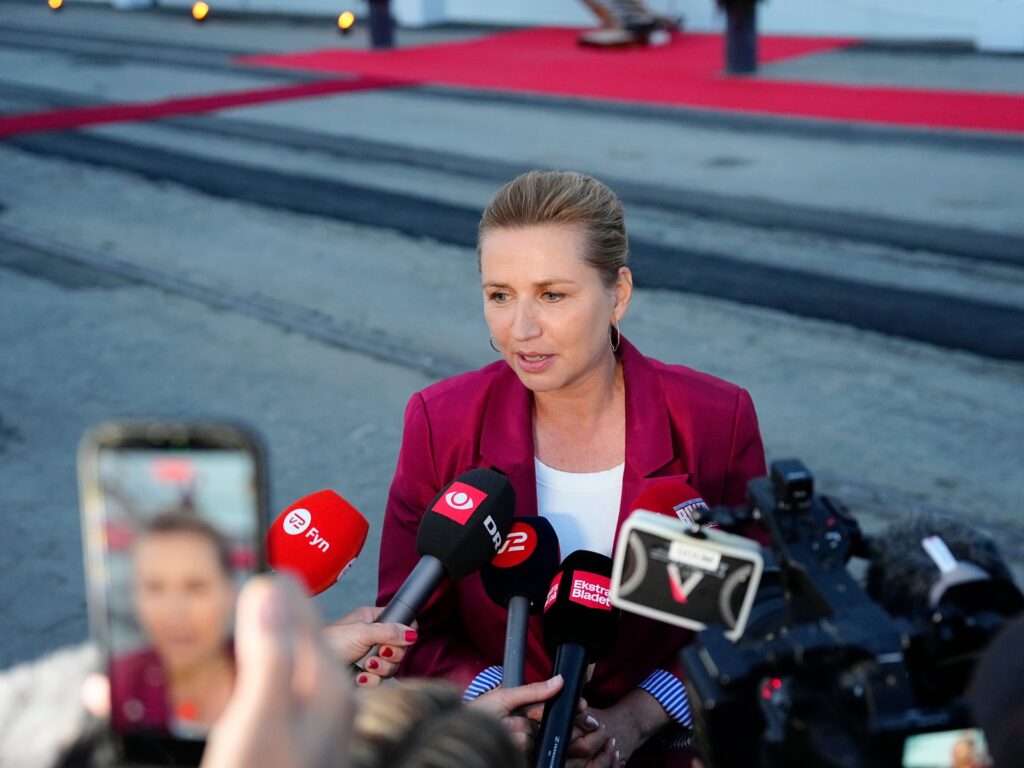
Denmark has formed a new government following an election deadlock, with Prime Minister Mette Frederiksen set to continue her leadership during a critical period marked by the ongoing Greenland crisis. This development brings an end to political uncertainty in Denmark and ensures continuity in governance as the nation addresses pressing issues related to Greenland.
The crisis, which has captured international attention, stems from former U.S. President Donald Trump’s controversial interest in purchasing Greenland, a vast Danish territory rich in natural resources and strategic significance. The move was met with widespread opposition and heightened tensions between Denmark, Greenland, and the United States.
Prime Minister Frederiksen’s continued stewardship is seen as crucial in navigating the complex political and diplomatic challenges presented by the situation. Her government is expected to focus on reinforcing Denmark’s sovereignty over Greenland while also addressing the concerns of the Greenlandic population, who have their own aspirations for greater autonomy or independence.
The new Danish government faces the task of balancing international relations, particularly with the United States and other global powers interested in the Arctic region, alongside the domestic demands for sustainable development and self-determination in Greenland.
Observers note that this period will test Denmark’s diplomatic skills and political resolve, as the Arctic becomes an increasingly contested space due to climate change and the race for resources. The continued leadership of Prime Minister Frederiksen offers a degree of stability as these issues unfold.
In summary, the establishment of a new government in Denmark marks a pivotal moment as the country confronts the challenges posed by the Greenland crisis. With Prime Minister Frederiksen at the helm, Denmark aims to navigate this complex landscape with a focus on sovereignty, international cooperation, and responding to the evolving aspirations of Greenland’s people.